Animals
S


Question

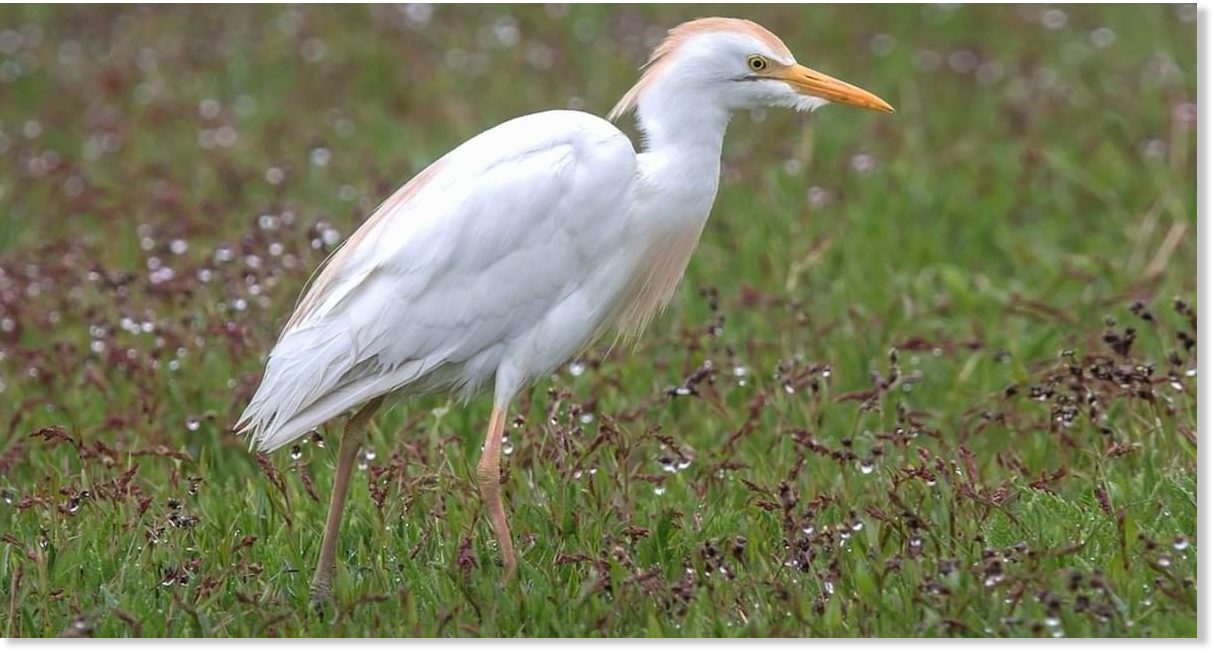
Dozens of dead cattle egrets litter I-75 in Lee County, Florida

Cattle egret
Cattle egret (not yet dead).
A line of lifeless egrets stretches for miles, and experts think they know what sent them all flying into cars. One expert thinks a fire about 15 minutes away could be to blame.

Dozens of dead birds were littered along the side of I-75 in Lee County Monday after flocks of cattle egrets flew into cars on the highway.

"The past few months we've questioned everything," Eddie Torres said. "You know, as far as possibly even moving out of the state because, you know, what are we doing to better the state? What are we doing to help control everything?"

Red tide and blue-green algae are causing an unprecedented amount of death this year. Naturally, people were concerned about these dead cattle egrets spotted for miles along I-75 between Fort Myers and Naples.


Cloud Lightning

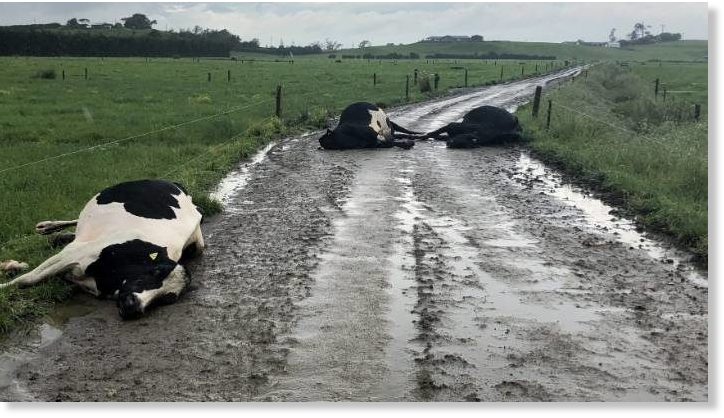
'Hell of a bang': Lightning strike kills 4 cows at farm in Waikato, New Zealand

Four of Clem and Karen Newby's cows were walking back to the paddock after morning milking when they were struck by lightning.
Faced with pelting rain, Clem Newby hung back from following his herd out of the milking shed for a few minutes.

It's a move that might just have saved his life.

Five hundred metres down the farm race a lightning bolt from a vengeful sky north of Hamilton struck and killed four cows on their way back to the paddock on Tuesday morning

"It was a hell of a bang," Newby said.


"The lightning was just horrific and it really frightened myself. I had never heard anything like it in my life and it really shook the cowshed."


Doberman

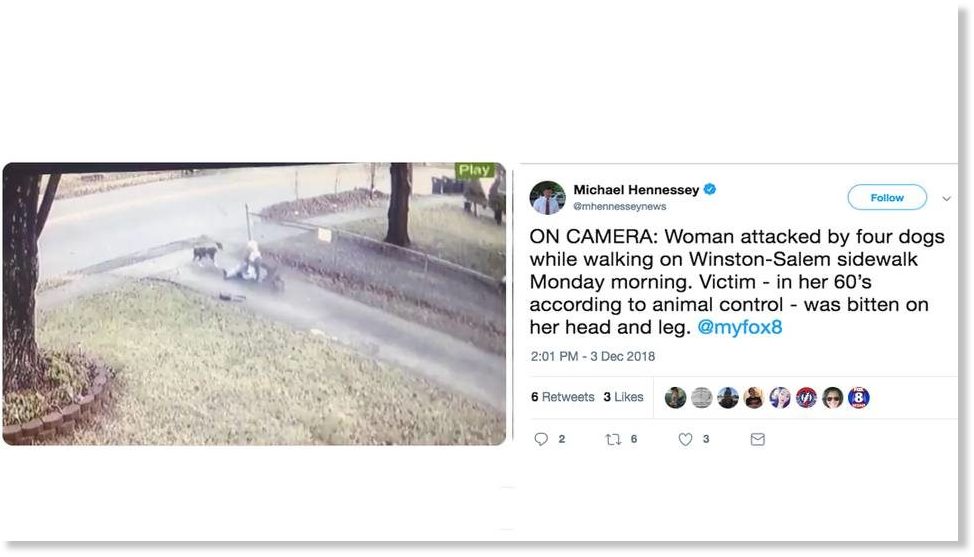
Roaming dogs attack woman in Winston-Salem, North Carolina

twitter
A woman was walking down the sidewalk in a Winston-Salem, North Carolina, neighborhood when she was attacked by a group of dogs, a video shows.

The woman was bitten "on the back of her head, her leg and her arm" Monday morning, Winston-Salem police Lt. A.J. Santos said, according to The Winston-Salem Journal.

Police did not identify the victim of the attack, but Forsyth County Animal Services is investigating, the Journal reported.

A video of the incident shows the woman on the ground being bitten and pulled by at least three dogs. Two other dogs are seen running toward her in the video, but it was unclear if they also attacked her.

A neighbor rushes to the woman's rescue in the video, chasing away the dogs.


Sheeple

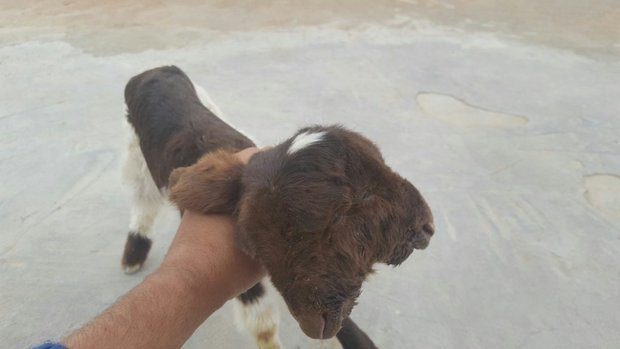
Signs and Portents: Two-headed lamb born in Iran

two headed lamb
© unknown
A sheep in rural areas of Pol-e Dokhtar in Lorestan province has given birth to a live two-headed lamb.

The 60-year-old farmer said that he has not seen anything similar in his life.

There is no other information available about the current condition of the animal.


Info

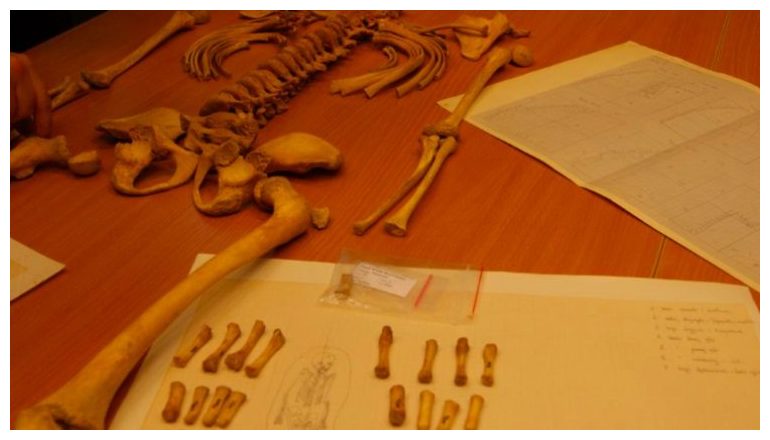
Polish archaeologists baffled by ancient bones of child with a bird skull in its mouth

Ancient Bones
© M.Kot
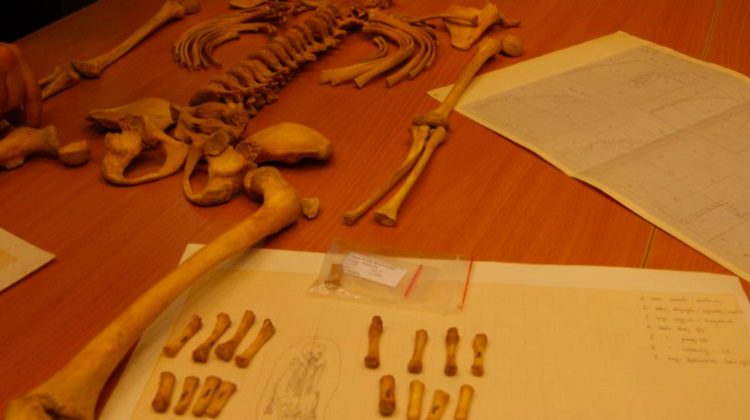
Archaeologists discovered a chaffinch skull in the mouth of a child buried about 200 years ago in Cave Tunel Wielki; another skull was found next to the child's cheek. This is the only modern human skeleton discovered so far a cave in the Kraków-Częstochowa Upland, the discoverers believe.

The discovery was made several decades ago, but it has never been published and analysed.

"About 10-year-old child was buried very shallowly under the surface in one of the two chambers of the cave" - says Dr. Małgorzata Kot from the Institute of Archaeology, University of Warsaw. Researchers have taken samples from the child's remains for radiocarbon studies to determine their age. It turned out that the child was buried in the second half of the 18th century or at the turn of the 19th century,

The biggest surprise for archaeologists was that the child was buried with a bird (chaffinch) skull in the mouth. Another similar skull was found next to the child's cheek.

"This burial is a big surprise for us. This practice is not known among the ethnologists we have asked for opinions. It remains a mystery why the child was buried in a cave in this way, not in a cemetery in a nearby village" - says Dr. Kot.

Dr. Małgorzata Kot is conducting an extensive project, the purpose of which is to analyse artefacts and bones discovered by archaeologists several decades ago during excavations in caves located in Sąspowska Valley - one of the valleys of the Kraków-Częstochowa Upland. Most of the finds were boxes and ended up in storage immediately after the excavations. During the analysis of materials from these forgotten boxes, there was an unexpected discovery concerning an unusual burial of a child.

Fish

Scotland's worst ever salmon season blamed on extreme weather

salmon
Global warming is being blamed for Scotland's worst salmon season in living memory.

Some beats on famous rivers like the Spey and the Nith recorded not a single salmon caught during the entire season.

Just two salmon were caught on the River Fyne in Argyll this year, where once more than 700 were caught each season.

The number of fish caught by anglers has been so low that some estates have stopped selling permits for once-popular beats because there is no fish to catch.

Tourism has been hit, sales of salmon tackle have slumped and ghillies have lost their jobs.

Experts believe rising temperatures blamed on global warming have badly hit the salmon's feeding grounds with related changes in current patterns also affecting their migration.


Comment: It's true, Europe suffered a prolonged heatwave and drought this summer, but winter, spring and autumn saw unprecedented cold and flooding. But what's happening to salmon appears to be reflective of the rapid decline seen in a myriad of other species, and that's likely related to the extreme shifts occurring on our planet:


Arrow Down

South African lawmakers call for end to captive lion trophy hunting

The King
© Earth.comA committee of lawmakers who oversee environmental affairs in South Africa is calling for an end to captive lion trophy hunting.
The captive lion breeding industry has been a black-eye on the South Africa's tourism industry for years. An industry centered on breeding lions for hunters to shoot in an enclosed area is sure to draw controversy, especially when unsuspecting tourists are deceived into paying to visit the facilities. Now, a committee of lawmakers who oversee environmental affairs in South Africa is calling for an end to the industry.

This month, the committee released their report on a two-day colloquium on the captive breeding of lions for hunting and the bone trade. In the report, the committee calls on the Department of Environmental Affairs to "initiate a policy and legislative review of Captive Breeding of Lions for hunting and Lion bone trade with a view of putting an end to this practice."

As Earth.com reported earlier this year, there are an estimated 260 captive breeding facilities in South Africa holding around 7,000 lions.

The report states, "The animals, which are born in captivity are taken away from their mothers within hours of being born so they can be used in petting facilities, where unwitting tourists visit these farms and pay money to look at or touch young lion cubs. They do not know that they are supporting a horrific industry, an industry that even many hunting associations reject as being unethical. The farms often advertise as wildlife sanctuaries to lure in foreign volunteers under the pretence of helping save the species."

Once the lions become too old to interact with tourists they are sold for canned hunting, where they are hunted in an enclosed space. The lions are an easy target; they are acclimated to humans after spending years as tourist props. Some lions are even baited or sedated to help guarantee a kill. The lions are basically given to the hunters "on a silver platter", the report explains.

Attention

Two more whales found dead after another beaching in Victoria, Australia

One of two pilot whale carcasses found
© DELWPOne of two pilot whale carcasses found washed up near Mallacoota on Thursday in the second whale beaching in Victoria's east this week.
Another two pilot whales have been found dead in Victoria's east, two days after a separate beaching in which 28 whales died.

The two whale carcasses, one of which is up to 6 metres long, were found on Thursday washed up on Big Beach, east of Mallacoota.

The Department of Environment, Land, Water and Planning and Parks Victoria has responded.

The discovery comes after 27 pilot whales and one humpback whale were found beached on Rame Head beach at Croajingolong National Park two days ago.

Attention

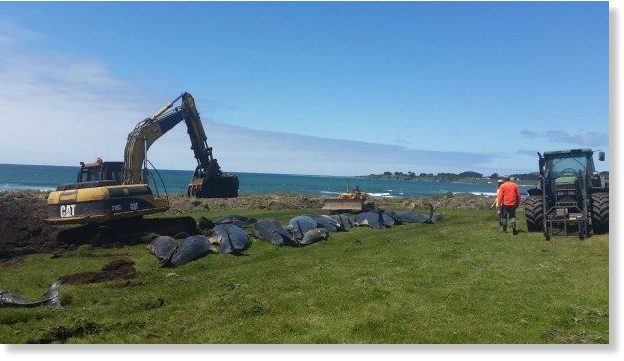
51 whales dead in another New Zealand stranding - this time on the Chatham Islands

Pilot whales are buried after stranding on the Chatham Islands.
More than 50 pilot whales have died after beaching in New Zealand's Chatham Islands, only days after a massive stranding in the country's south.

As many as 90 of the stranding-prone species came ashore near the township of Owenga overnight, with about 40 refloating themselves, New Zealand's Department of Conservation said on Friday.

Only one of 51 remaining whales was alive by the time conservation staff arrived in the morning.


"There was no likelihood of being able to successfully save the remaining whale," said DOC's Chatham Islands operations manager, Dave Carlton.

"Sadly, the decision was made to euthanise. It was the most humane thing to do. This is always an awful decision to have to make."

Comment: This is the 3rd major mass stranding within a week in the Australasian region, the others being:

28 whales dead in 'inexplicable' beaching in Victoria, Australia

145 stranded pilot whales die on New Zealand beach


Wolf

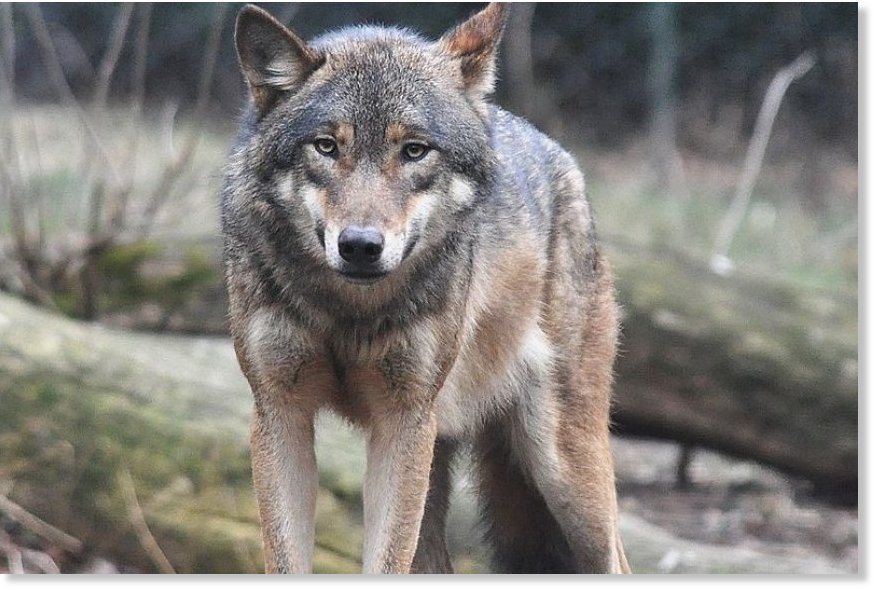
Man attacked by wolf in Steinfeld, Germany

Wolf
© wikipedia
Wolves, extinct in Germany for most of the 1900s, have made a remarkable comeback since 2000, and their presence often pits farmers against animal rights activists

The controversy resurged this week when a 55-year-old man working at a cemetery in northern Germany told police he was attacked by a wolf.

The man was repairing a fence Tuesday at a cemetery in Steinfeld in the state of Lower Saxony when he felt something bite his hand, Deutsche Welle reported.

He turned and saw a wolf had grabbed his hand. In the distance, he saw three other wolves. He freed himself and shooed away the pack, according to a police statement.

Comment: See in addition these similar and frequently more gruesome reports of attacks from the last 7 years pointing to the fact that wolves appear to have become a greater threat to people in recent times:

Wolves losing their natural fear of humans? Several attacks reported in 2016 across Canada

Contractor attacked by wolf at Cigar Lake, Canada

Woman survives prolonged wolf attack in India

Wolf kills child and injures 2 others in Pakistan

77 year old pensioner eaten by wolf in Russia

Another atypical animal attack on humans: Villagers viciously attacked by a pack of starving wolves in China

Timber wolves attacking dogs and approaching people in Grand Marais, Minnesota

Russia: Wolves Attack People in Karelian Town

Teacher Candice Berner mauled to death by wolves in Alaska

'Super pack' of 400 wolves terrorise remote Russian town after killing 30 horses in just four days