© Stock Adobe
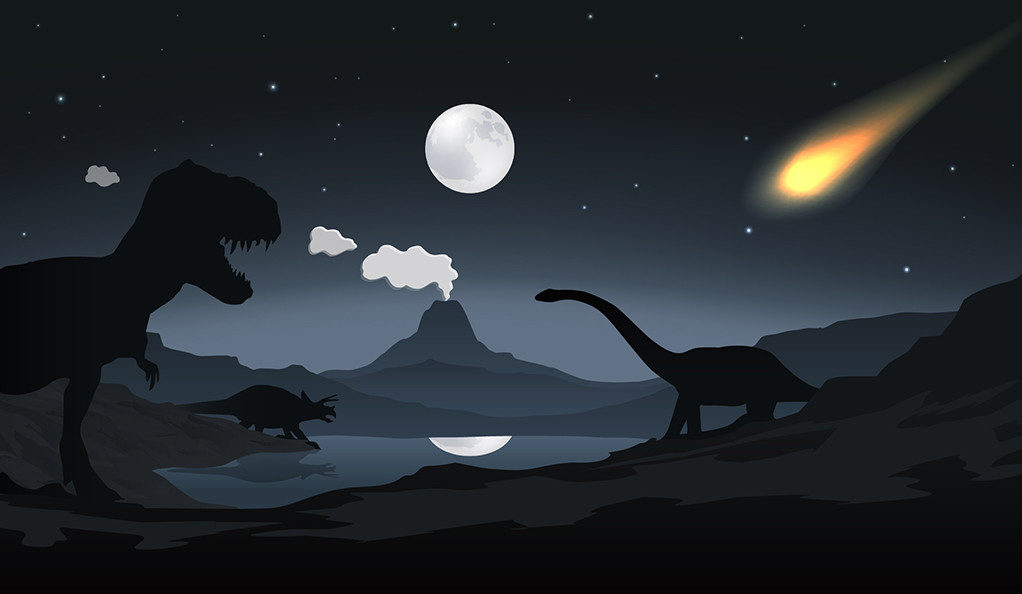
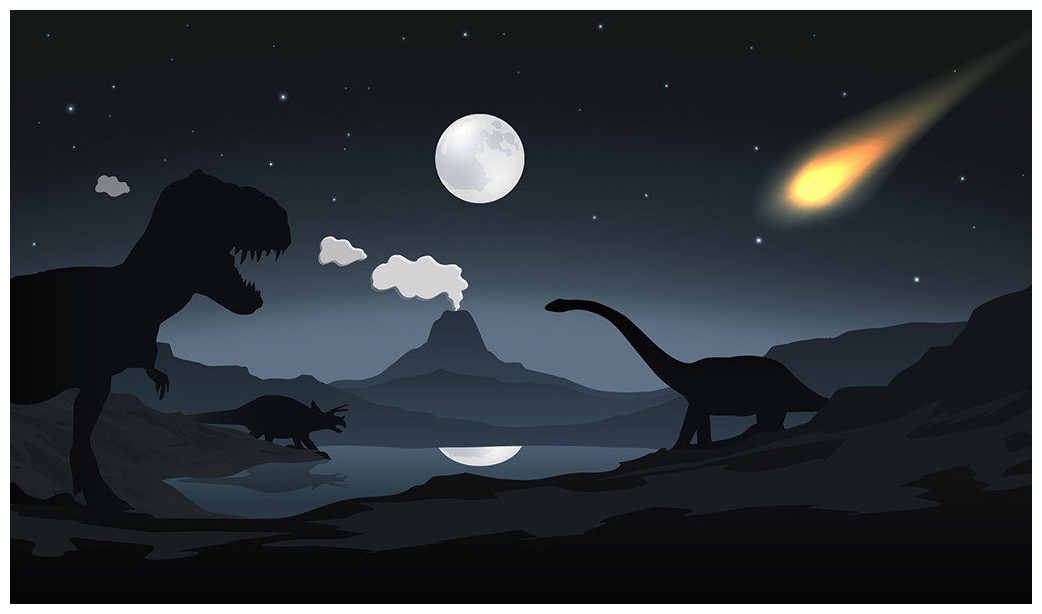
Volcanic activity did not play a direct role in the mass extinction event that killed the dinosaurs, according to an international, Yale-led team of researchers. It was all about the asteroid.
In a break from a number of other recent studies, Yale assistant professor of geology & geophysics
Pincelli Hull and her colleagues argue in
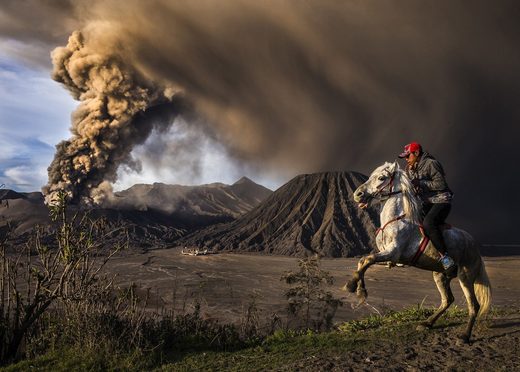
a new research paper in Science that environmental impacts from massive volcanic eruptions in India in the region known as the Deccan Traps happened well before the Cretaceous-Paleogene extinction event 66 million years ago and therefore did not contribute to the mass extinction.Most scientists acknowledge that the mass extinction event, also known as K-Pg, occurred after an asteroid slammed into Earth. Some researchers also have focused on the role of volcanoes in K-Pg due to indications that volcanic activity happened around the same time.
"Volcanoes can drive mass extinctions because they release lots of gases, like SO
2 and CO
2, that can alter the climate and acidify the world," said Hull, lead author of the new study. "But recent work has focused on the timing of lava eruption rather than gas release."






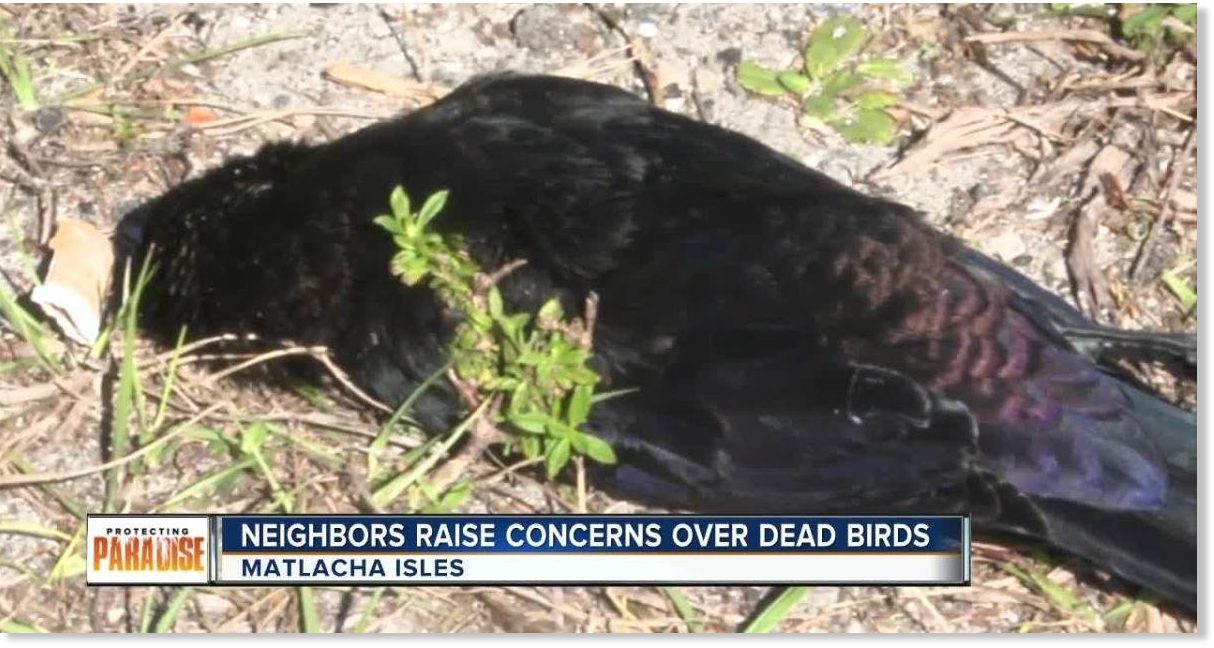




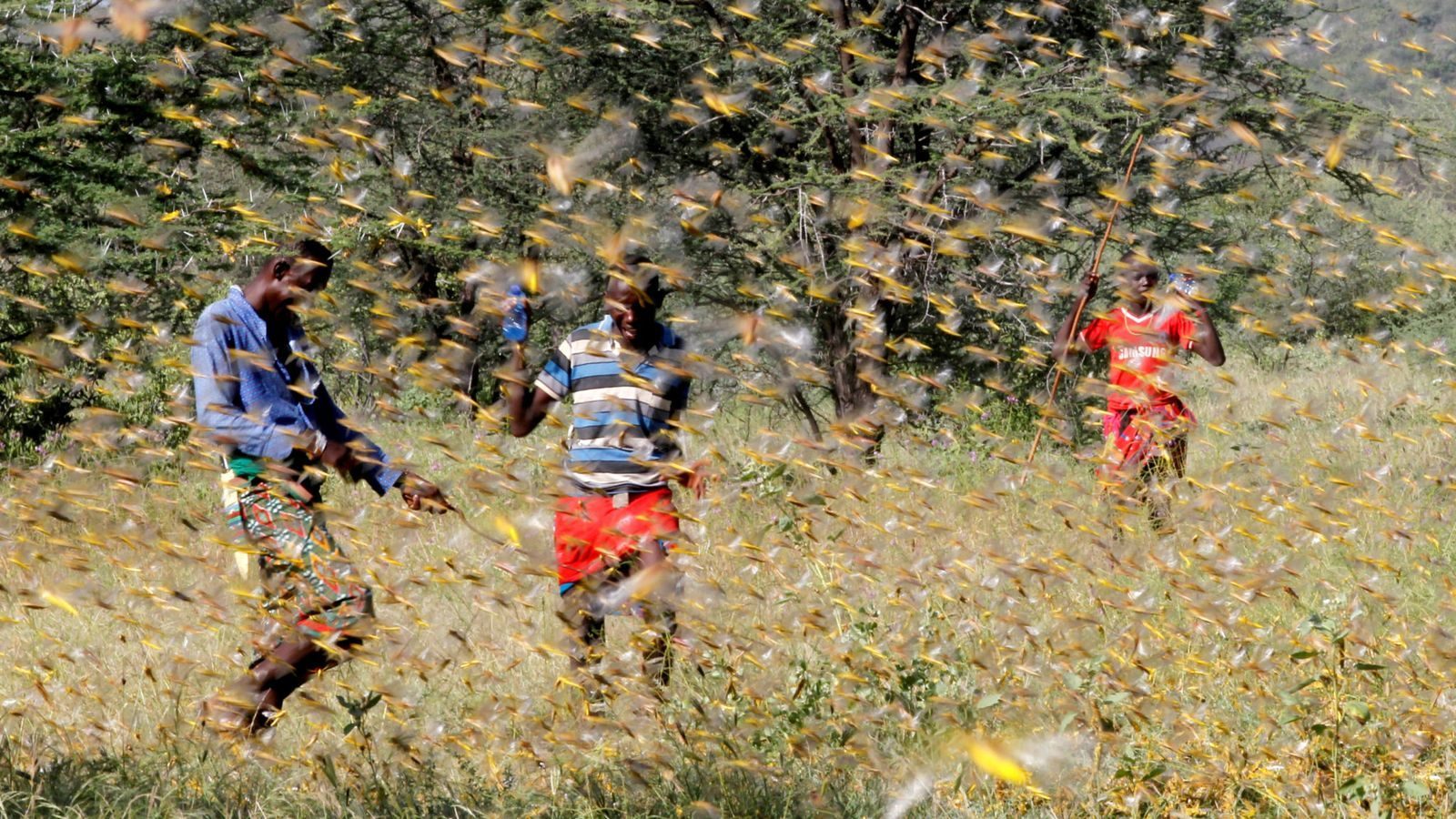


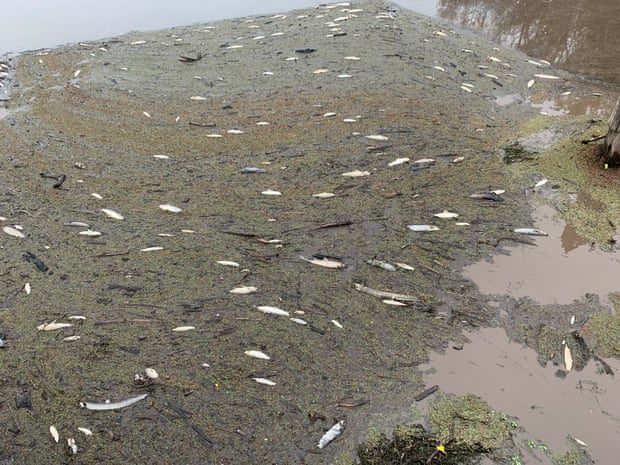


Comment: As we are seeing with most life on our planet, it's likely that what's affecting the butterflies is the impact of humanity, but a more significant contributor could be Earth Changes:
- Nearly 100 species of frogs, toads and salamanders wiped out by fungus
- A mysterious disease is striking American beech trees
- Plummeting insect numbers 'threaten global collapse of nature'
- 'It's starvation' Biologists in Alaska see a fifth year of significant seabird die-offs
Also check out SOTT radio's: