Earthquakes
S


Seismograph

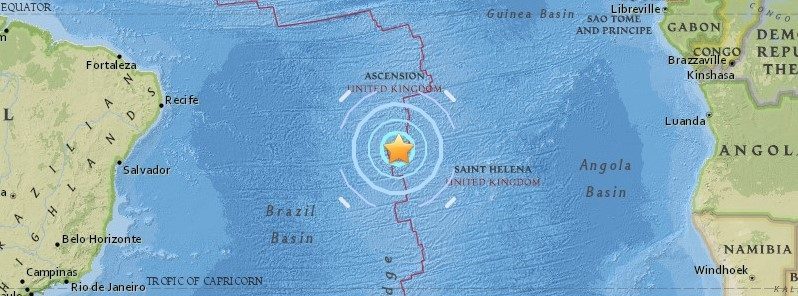
Shallow M6.3 earthquake hits Ascension Island region

Ascension Island region earthquake
© USGS
A 6.3-magnitude earthquake struck in the Ascension Island region at a depth of 10 kilometers. The nearest location to an inhabited area was 423.4 kilometers south of Georgetown in Saint Helena.

Ascension Island is part of a British Overseas Territory together with St. Helena and Tristan da Cunha under the sovereignty of the British Crown.

There have been no reports of damages or injuries, and no tsunami threat has been issued.

Seismograph

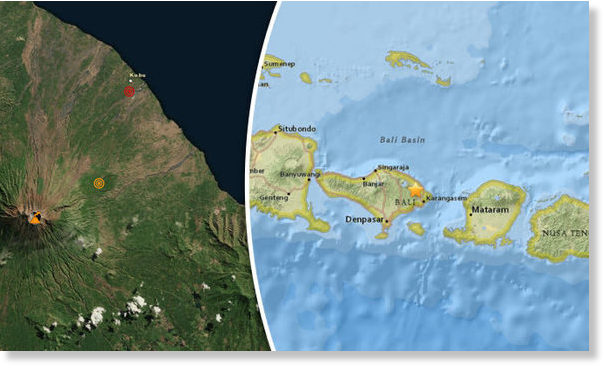
Shallow 5.0 magnitude earthquake recorded off Bali near active Mount Agung volcano

Earthquake strike near Mount Agung
An earthquake measuring 5.0 magnitude on the richter scale was detected in Bali near Mount Agung on Thursday morning.

The quake's epicenter was in the sea, 11 kilometers east of Karangasem, at a depth of 10 kilometers at 5:54am local time, according to data from the Bali Meteorology, Climatology and Geophysics Agency (BMKG).

The earthquake did not trigger a tsunami warning.

The epicenter was about 12 to 13 kilometers from the summit of Mount Agung, Bali's rumbling volcano that is currently on level III "standby" the second highest alert level for an eruption. Agung has been on standby since Oct. 29 after previously being on level IV "danger" for five weeks.

Seismograph

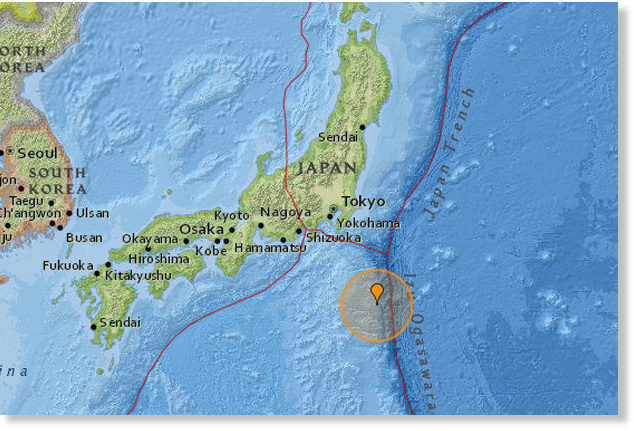
Strong shallow magnitude 6.0 earthquake recorded off coast of Japan

The earthquake struck at a depth of 20km 165km south east of Hachijo-jima
© DSThe earthquake struck at a depth of 20km 165km south east of Hachijo-jima
A strong earthquake measuring magnitude 6.0 on the Richter scale has struck off the coast of Japan, according to US Geological Survey.

The earthquake struck at around 4:42pm local tiime (7:42am UK time) 165km south east of Hachijo-jima, a volcanic Japanese island in the Philippine Sea.

The island, home to around 8,000 people, is approximately 287km south of Tokyo, Japan's capital.

Powerful earthquakes are not unusual in Japan, which is situated on the Ring of Fire, where an estimated 80% of the world's earthquakes strike.

There are no immediate reports of casualties or damaged buildings on the island or further afield on the Japanese mainland.

The Pacific Tsunami Warning Center is yet to issue any tsunami warnings.

Seismograph

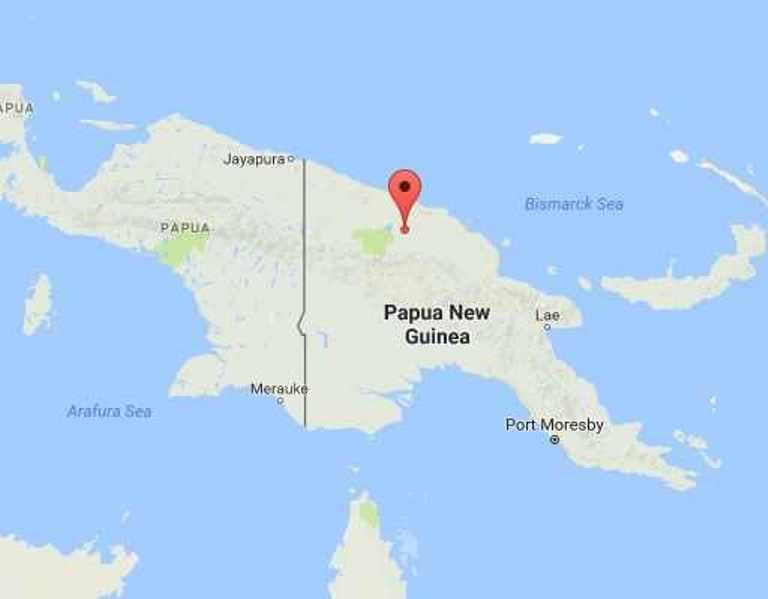
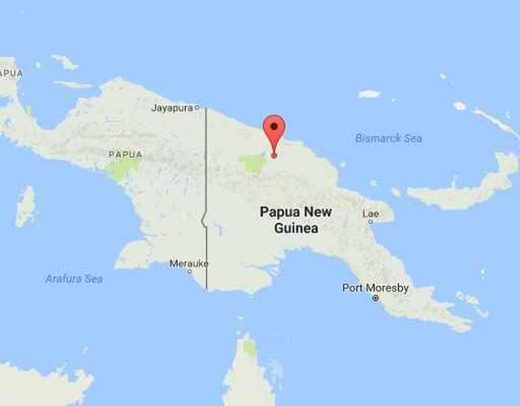
Deep 6.5-magnitude earthquake strikes Papua, New Guinea

Papua New Guinea earthquake
© google
A strong earthquake with a preliminary magnitude of 6.5 struck the mainland of Papua New Guinea on Wednesday morning, seismologists and residents said, but there were no immediate reports of serious damage or casualties.

The earthquake, which struck at 7:26 a.m. local time on Wednesday, was centered about 67 kilometers (42 miles) southwest of Angoram, which is located in East Sepik Province in the country's northwest. It struck at a depth of 66 miles (107 kilometers), making it a relatively deep earthquake.

The U.S. Geological Survey (USGS) put the preliminary magnitude of Wednesday's earthquake at 6.5, down from an initial estimate of 6.6. It said the earthquake was likely felt across the region, possibly as far away as the Indonesian part of Papua.

Computer models from the USGS estimated that as many as 6.9 million people could have felt the earthquake, including 236,000 people who may have experienced "moderate" shaking. "There is a low likelihood of casualties and damage," the USGS said.

Because the earthquake struck on land, there is no threat of a tsunami.

Comment: See also: Pay attention to the Pacific Ring of Fire as major geo events trigger concern


Attention

Warning issued amid seismic activity at Mount Lokon in North Sulawesi, Indonesia

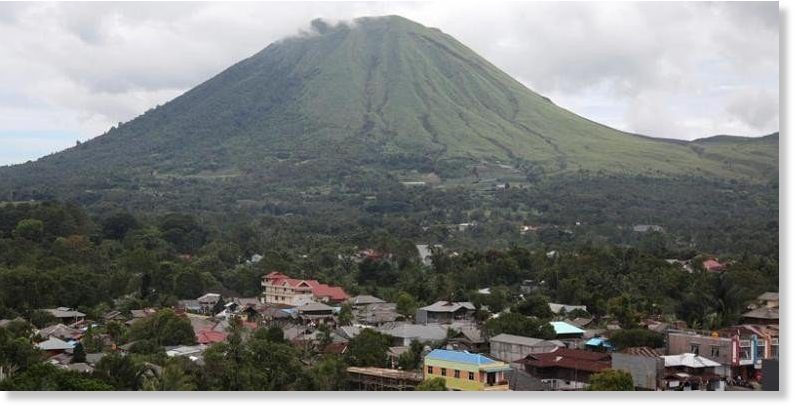
Mount Lokon in Tomohon, North Sulawesi, in this undated file photo.
© Lucky PransiskaMount Lokon in Tomohon, North Sulawesi, in this undated file photo.
Local authorities have prohibited residents and visitors from coming within a 1.5-kilometer radius from the crater of Mount Lokon in Tomohon, North Sulawesi, amid increased volcanic activity.

The volcano had shown increased seismic activity marked by tremors since Thursday, said Farid, the head of Lokon's monitoring post.

Authorities have issued a waspada (Level II) alert level for the volcano.

"The tremors from Mt. Lokon suggest that gas and magma are migrating, which means pressure has been accumulating," Farid said on Saturday.

The Lokon monitoring post has been coordinating with the Tomohon Disaster Management Agency (BPBD) since Friday in taking preventive measures.

Binoculars

Alarm as Philippines' Mayon Volcano shows 'abnormal behavior'

Mayon volcano
Mayon volcano
The Philippine Institute of Volcanology and Seismology (Phivolcs) raised Alert Level 1 over Mayon Volcano in Albay province after it recorded 25 volcanic earthquakes on Monday and the sulfur-dioxide (SO2) emission went significantly higher than the standard measurement.

In its latest bulletin, Phivolcs said the quakes that rocked the volcano on Monday and the spewing of an above normal SO2 gas signify the volcano remains restive. SO2 emission was measured at 633 tons, which is significantly higher than the standard measurement of 500 per day

The volcanic quakes brings to 91 the total number of quakes that jolted Mount Mayon for the past two days.

When asked about the increasing SO2 emission, Phivolcs volcanologist Ed Laguerta said the abnormal emission could either be due to steam degassing or magma pressure beneath the volcano vent.

Seismograph

Shallow 6.8-magnitude earthquake strikes off Tonga

Tonga earthquake
© US Geological SurveyA map of the earthquake which struck off the coast of Tonga.
A 6.8-magnitude earthquake struck off the coast of Tonga Saturday in the tectonically active Pacific region, but there was no tsunami threat, seismologists said.

The tremor hit at a depth of 10 kilometres (six miles) some 90 kilometres off the Tonga island of Niuatoputapu, and 230 kilometres southwest of the Samoan capital Apia, the US Geological Survey reported.

The Pacific Tsunami Warning Center said there was no current tsunami threat.

The quake lasted for almost one minute, and caused residents to leave their homes for open spaces across Samoa, according to reports cited by the Samoa Observer news website.

Tonga and Samoa are part of the "Ring of Fire", a zone of tectonic activity around the Pacific that is subject to frequent earthquakes and volcanic eruptions.

Comment: See also: Pay attention to the Pacific Ring of Fire as major geo events trigger concern


Seismograph

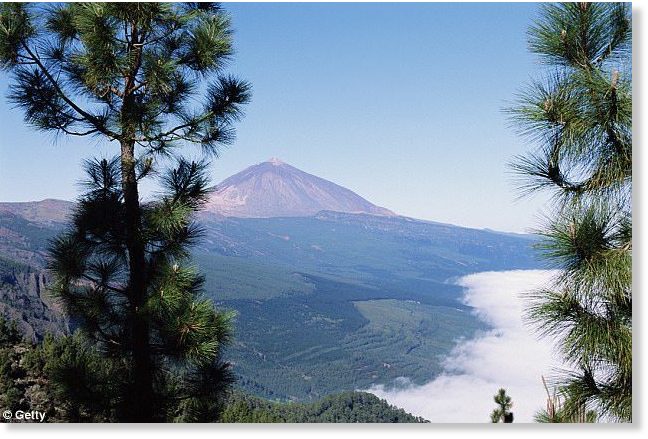
Fears Tenerife's Mount Teide volcano in the Canary Islands is about to BLOW following 22 earthquakes in 4 days

A seismic swarm of 22 earthquakes have rocked Tenerife in just four days sparking fears Mount Teide (pictured) could be about to erupt
A swarm of 22 earthquakes has rocked Tenerife in just four days sparking fears Mount Teide could be about to erupt.

The tremors struck the popular tourist village of Vilaflor on the slopes of the 12,000ft volcano last week.

They were relatively minor quakes, however. The most power was a tremor of magnitude 1.4 striking at 11.05am local time (11:05 GMT, 06:05 GMT) on Tuesday morning.

Mount Teide's 3,718-metre summit is the highest point in Spain and a major tourist attraction with around three million tourists visiting every year.

The seismic swarm, recorded at an average depth of six to eight kilometres below sea level, took place over four days from 28 October to 31 October.

The Volcanological Institute of the Canary Islands (Involcan) have been trying to calm people.

Comment: This report should also viewed in the wider context of the increased seismic activity noted elsewhere around this archipelago over the last 4 weeks, as illustrated by the following reports:-

Canary Island volcanologists monitoring eruption, tsunami risks from Cumbre Vieja after recent wave of tremors

La Palma volcano in the Canary Islands hit by hundreds of earthquakes in 15 hours

Scientists on alert as underwater volcano Tagoro in the Canary Islands bursts into life

40 earthquake tremors in 48 hours hit La Palma, Canary Islands


Seismograph

Shallow 6.0 magnitude earthquake recorded off New Caledonia; 4th strong quake for the area in 24 hours

chart
USGS page: M 6.0 - 110km ESE of Tadine, New Caledonia

USGS status: Reviewed by a seismologist

Reports from the public: 0 people

10 km depth

Comment: This latest quake was preceded by 3 others in the same area with magnitudes of 6.6, 6.1 and 7.0 within the last 24 hours (all at shallow depths). Numerous aftershocks of lesser intensity were also recorded following the above events.


Seismograph

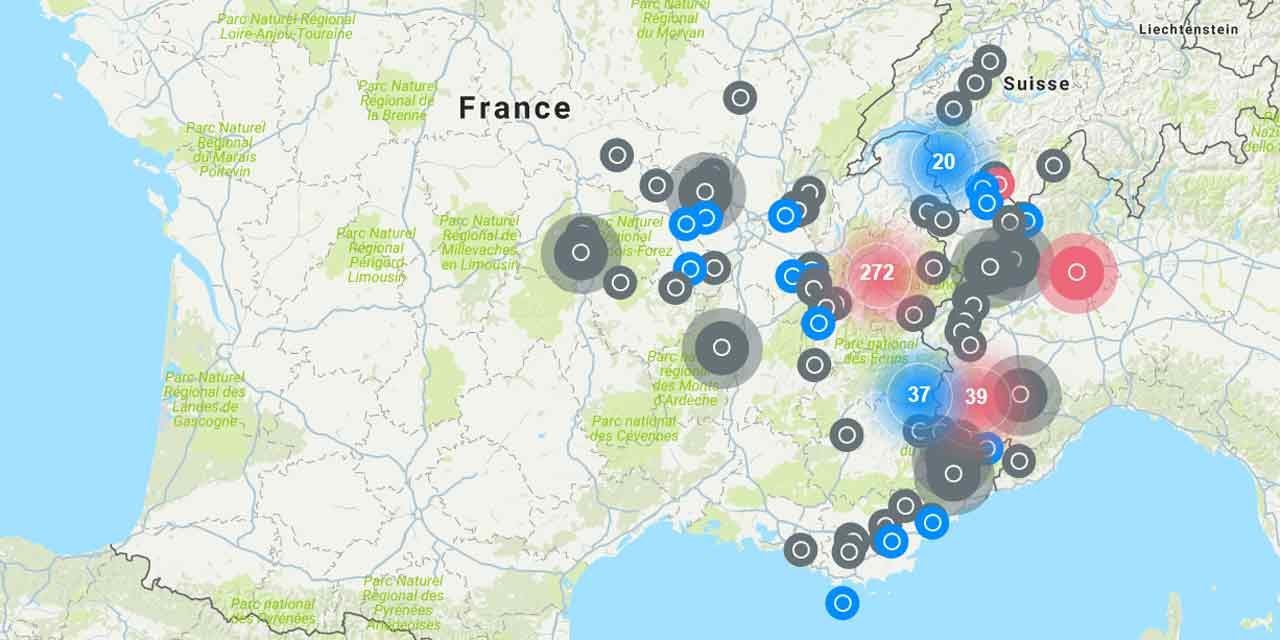
French Alps rocked by 140 earthquakes in just over a month

French Alps earthquake map
© Screengrab SisMalp
Residents in one part of the French Alps are starting to grow a little concerned after the area was hit by 140 earthquakes in the last 40 days. Those living in the Maurienne part of Savoie in the French Alps have been getting used to being shaken awake at night in recent weeks.

Earthquake observation organisation Sismalp have registered 140 minor tremors in the region in the last 40 days. The strongest tremor registered 3.8 on the Richter scale. While none of the earthquakes have caused any structural damage, they are starting to fray the nerves of locals, who have been briefed about how to act in the case of a powerful tremor.

"The noise is like a storm coming from far way. Everything shakes. I said 'that's it, all the tiles are going to break," Martine a resident of the village of Montgellafray told Europe1 radio. "The last earthquake was really frightening. Since the end of August it has never stopped.

Every two days there is one and they are getting more common." Another resident of the village, named Yves said: "Everyone is asking questions. Everyone in the village is talking about it."

Seismologists say they are unable to explain the increase in the number of earthquakes in the region, but have placed five new sensors in the valley to "monitor and better understand the phenomenon".

After a series of quakes along the French Riviera in 2014 a specialist seismologist told The Local that south east France would be hit by a big earthquake at some point in time. "We don't know when a big one will come, but it will and there will be fatalities," he said.

Comment: There was also a cluster of moderate earthquakes in Brittany in late September. And a series of quakes hit across the country earlier this year. All very unusual for France.