Health & WellnessS


Brain

New study shows people get dumber during a heat wave

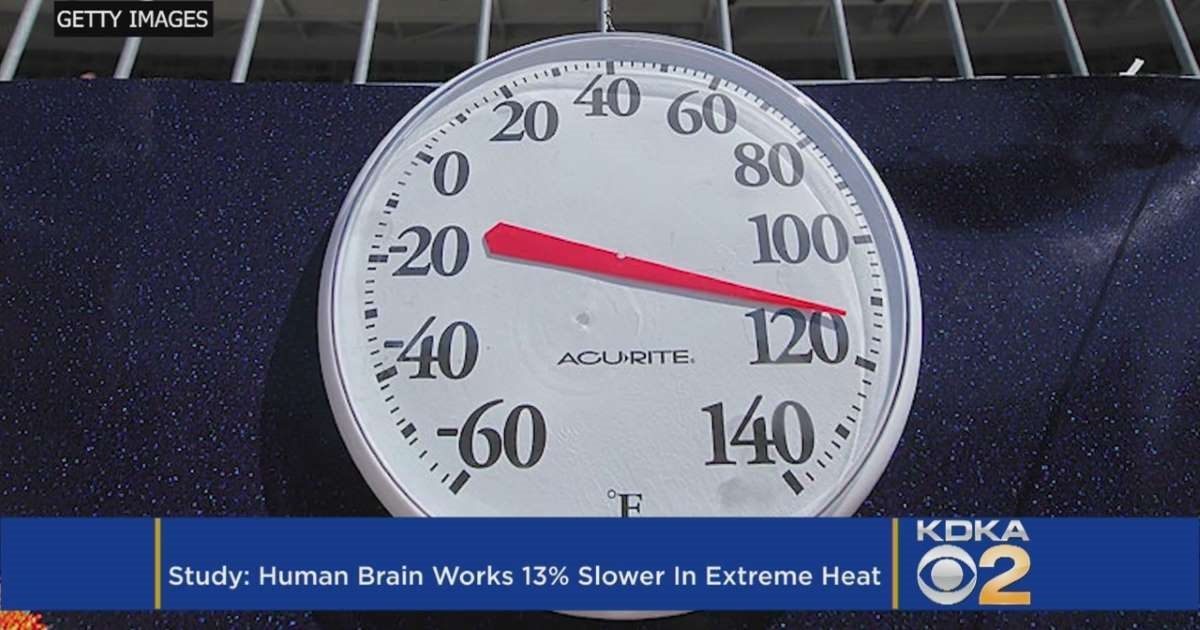
Thermometer showing hot temperatures
© Getty Images
With many states dealing with record-high temperatures and massive heat waves, many people are probably sick of summer already.

A new study says that your brain may hate the heat more than you do.

Researchers at Harvard University have discovered that a person's brain works 13 percent slower when it has to operate in extreme heat. According to their report in PLOS Medicine, scientists studied 44 college students living in Boston during a 2016 heat wave.

That July heat wave was reportedly one of the hottest in the city's history. 22 of the students lived in a brick-based buildings with no air-conditioning. The other 22 undergrads were living in air-conditioned dorms during the 12-day experiment.

The team from Harvard's T.H. Chan school of Public Health found that the students in non-air-conditioned buildings performed over 13 percent worse on both math and memory tests than their air-conditioned classmates.


Evil Rays

The 'Wifi Alliance' will include 5G Wireless - and with it a huge increase of dangers to our health

5G network
Just as any new technology claims to offer the most advanced development; that their definition of progress will cure society's ills or make life easier by eliminating the drudgery of antiquated appliances, the Wifi Alliance was organized as a worldwide wireless network to connect 'everyone and everything, everywhere" as it promised "improvements to nearly every aspect of daily life."

The Alliance, which makes no pretense of potential health or environmental concerns, further proclaimed (and they may be correct) that there are "more wifi devices than people on earth". It is that inescapable exposure to ubiquitous wireless technologies wherein lies the problem.

Soon after the 1895 discovery of xrays, the budding new technology was not without its health risks of burns and hair loss. Yet the use of electromagnetic radiation (EMR) has evolved at a dramatic exponential rate from Marie Curie's day into a mega-trillion dollar omnipotent industry creating a world totally dependent on its pernicious wireless applications.

The medical and scientific data is overwhelming and irrefutable as the wireless industry, the MSM and government agencies, frequently the last to acknowledge a pervasive health problem, continue to protect the industry from widespread public awareness of the insidious effects of the latest generation of digital by-products.

Comment: See also:


Syringe

Anti-Vaxxers provide new model for the world in Australia

vaccination Australia
The government is facing more than 10,000 compensation claims for COVID-19 vaccine injuries.
As the Australian bureaucrats double-down on their de-facto forced vaccination schemes (see ZeroHedge's latest article "Australia Will Now Fine Parents Twice a Month If They Don't Vaccinate Their Kids"), I'm re-posting this piece I wrote in March as a testament to all those throughout the Western world who fight for health freedom...

And, for all the latest on Australian medical tyranny and more, it's imperative you go to Cazzfiles.com. The talks from "The 2018 Sydney Vaccination Conference - The Censorship of the Vaccination Debate in Australia" are now posted there (see here and here).

Out of the ashes of government tyranny comes a solution.

In the Australian state of Queensland, childcare facilities can refuse to allow unvaccinated children to attend, so...

Comment: And boy do they have their work cut out for them:


Butterfly

Prevent a rise in the moth epidemic by following these tips

bogong moth magnetism navigation
© Frank Greenaway/Getty Images
The temperature at which you wash your clothes could lead to a drastic rise in the quantity of moths in your home, it's been reported.

From April to May this year, the number of customers calling Rentokil Pest Control with moth infestations increased by more than 110 per cent.

While this could be in part due to the extremely warm temperatures recorded in May, it could also be down to the British public's laundry habits.

A survey of 2,006 Rentokil customers explored how the temperature of one's washing machine could be linked to the moth epidemic.

The results of the study revealed that 54 per cent are more likely to wash their clothes at 30 degrees Celsius than they would have been just five years ago.

Bacon

It's bread and pasta that is killing us, not fatty foods

heart carbs
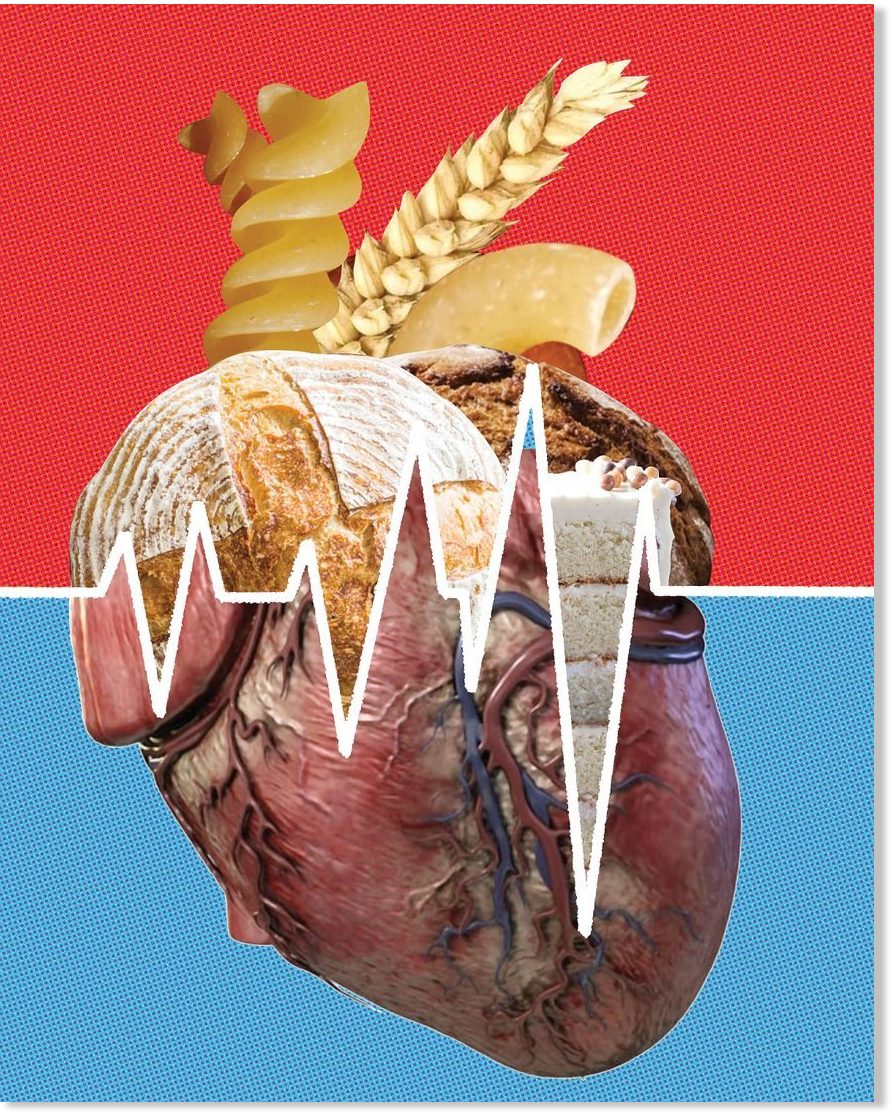
© Linas Garsys/The Washington TimesIllustration on the harmful effects of carbohydrates
This year, more than 610,000 Americans will die from heart disease. It's the leading cause of death for both men and women.

For decades, doctors and nutritionists prescribed low-fat diets to people trying to lower their risk of heart disease. Saturated fats in meats and dairy products were thought to clog our arteries. Grains - especially "whole" ones - were thought to help everything from high cholesterol to digestion.

A growing body of research suggests this advice was wrong. For most people, it's carbohydrates, not fats, that are the true cause of heart disease.

Consider a report published last year in The Lancet that studied nutrition among more than 135,000 people across 18 different countries - making it the largest-ever observational study of its kind. The researchers found that people who ate the least saturated fat - about the same amount currently recommended for heart patients - had the highest rates of heart disease and mortality. Meanwhile, people who consumed the most saturated fat had the lowest rate of strokes.

Health

Can we agree to demonize processed food, not saturated fat?

saturated fat steaks
"Animal fats, for instance, are the main sources of saturated fats in many modern diets, but some animal fats are higher in monounsaturated fats than saturated fats, and polyunsaturated fats in vegetable oils will typically contain both omega 3 and omega 6 fatty acids in different concentrations."

Much of the demonization of saturated fat derives from a misunderstanding of what saturated fat actually is. A clarity of understanding and terminology could facilitate agreement. The extract from the paper quoted above contains a number of such examples:

Comment: The case against saturated fat has always been dubious and, as we see above, the foods the public is being told to avoid doesn't make sense even assuming saturated fat is somehow detrimental. But the exact opposite is true - wholesome natural animal foods should be indulged in, not avoided.

See also:


Pills

Probiotic intake cuts age-related bone loss in elderly women

probióticos
For the first time in the world, researchers at the University of Gothenburg, Sweden, have demonstrated that probiotics, dietary supplements with health-promoting bacteria, can be used to affect the human skeleton.

There are over 400 species of bacteria in your belly right now that can be the key to health or disease. The genomes of the bacteria and viruses of the human gut alone are thought to encode 3.3 million genes.

Among older women who received probiotics, bone loss was halved compared to women who received only a placebo. The research opens the door to a new way to prevent fractures among the elderly.

Brittleness of the bones, or osteoporosis, is characterized by porous and weak bones, which can cause them to break even when subjected to low loads, such as a fall from standing height. The proportion of the population with osteoporosis increases with age, and a majority of women over 80 years of age have the disease.

"Today there are effective medications administered to treat osteoporosis, but because bone fragility is rarely detected before the first fracture, there is a pressing need for preventive treatments," says Mattias Lorentzon, who is a chief physician and professor of geriatrics at Sahlgrenska Academy, University of Gothenburg.

Lemon

Juice: A gateway beverage?

juice
© Nicolas Ortega
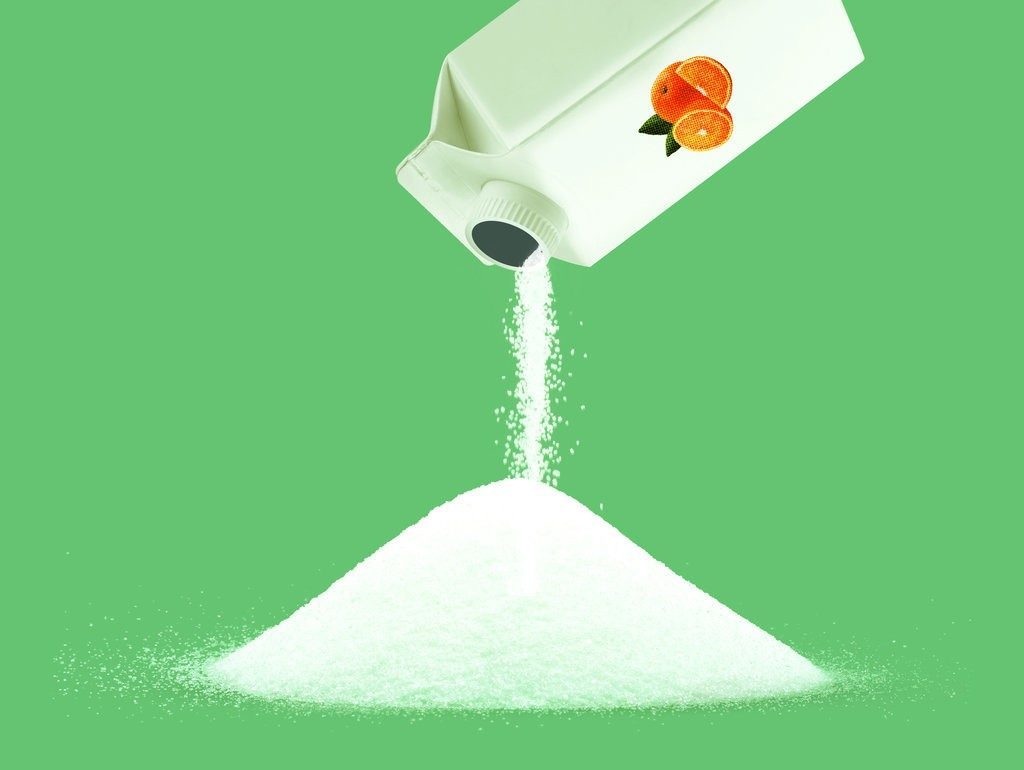
Obesity affects 40 percent of adults and 19 percent of children in the United States and accounts for more than $168 billion in health care spending each year. Sugary beverages are thought to be one of the major drivers of the obesity epidemic. These drinks (think soda and sports drinks) are the largest single source of added sugars for Americans and contribute, on average, 145 added calories a day to our diets. For these reasons, reducing sugary beverage consumption has been a significant focus of public health intervention. Most efforts have focused on sodas.

But not juice. Juice, for some reason, gets a pass. It's not clear why.

Americans drink a lot of juice. The average adult drinks 6.6 gallons per year. More than half of preschool-age children (ages 2 to 5) drink juice regularly, a proportion that, unlike for sodas, has not budged in recent decades. These children consume on average 10 ounces per day, more than twice the amount recommended by the American Academy of Pediatrics.

Comment: Juice, not such a healthy beverage:


Life Preserver

Aptamil new baby milk formula is making babies sick, parents claim

Aptamil baby formula
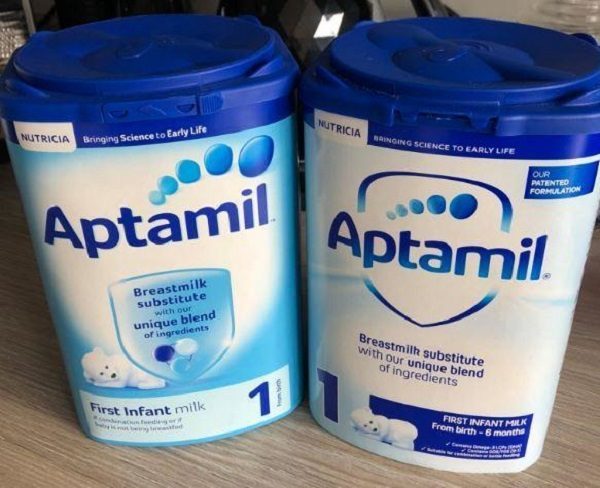
© MEN MediaThe new formula (right) has started making babies unwell

Babies have suffered diarrhoea and vomiting just weeks after the new formula hit shelves


Furious parents have slammed baby formula makers Aptamil after dozens babies became unwell after allegedly consuming one of their products.

The company's Facebook page has been flooded with complaints just weeks after the manufacturer changed the recipe of their First Infant milk powder.

Comment: It's interesting that this story hits the news at the same time as the NY Times reported US strong-arming developing nations into adopting anti-breastfeeding WHO resolution. Is the universe trying to tell us something?

See also:


Cloud Grey

Researchers find a 'strong link' between air pollution and diabetes

smoggy city
© AFP Photo/PUNIT PARANJPEAir pollution contributed to 3.2 million new cases of diabetes globally in 2016, the study found.
Air pollution caused one in seven new cases of diabetes in 2016, according to a US study, which found even low levels raised the chances of developing the chronic disease.

Diabetes has primarily been associated with lifestyle factors like diet and a sedentary lifestyle, but research by the Washington University School of Medicine in St Louis said pollution also plays a major role.

The study estimated that pollution contributed to 3.2 million new diabetes cases globally in 2016 -- or around 14 percent of all new diabetes cases globally that year.

"Our research shows a significant link between air pollution and diabetes globally," said Ziyad Al-Aly, the study's senior author.

Pollution is thought to reduce the body's insulin production, "preventing the body from converting blood glucose into energy that the body needs to maintain health," according to the research.

Comment: This all just speculation and estimates. Hard data would be nice.