© Microcirc Org
One of the best things about writing a book is the feedback you get after the book is published. In many ways, one's education really begins after writing the book, rather than before.
In the past year and a half, about every other week, I do a "practitioners" call, in which we spend about 15 to 30 minutes talking about heart disease and strophanthus. As many of you know, one of the main themes of my
book was that blocked coronary arteries are not the sole or even the predominant reason that people have heart attacks or chest pain. In these short calls, which are free to any licensed health practitioner, I talk a little about how I arrived at this conclusion and how strophanthus addresses heart disease.
In the latest call, I was joined by nine practitioners, one of whom was a cardiologist from Southern California. After hearing me speak,
he asked whether I had heard of the growing trend of more and more women having heart disease in spite of totally clean coronary arteries. He pointed out that this phenomenon was becoming a subject of considerable interest in the conventional cardiology community. He also sent me a very interesting study, which addresses this subject directly.
The study is from the
European Heart Journal (2014) 35, 1101-1111. The title is "Coronary Microvascular Dysfunction: An Update," and the authors are Filippo Crea,
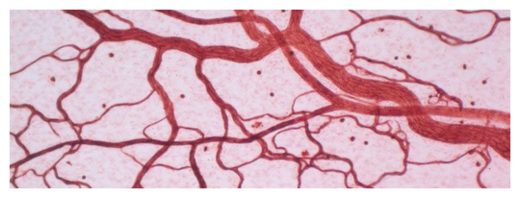
et. al, basically, a group of cardiologists from around the world. The study is an update of the role of microvascular disesase (what I call the collateral circulation) in the etiology of heart attacks and angina. In reviewing the scope of the incidence of patients with evidence of heart disease who have completely clean coronary arteries, the authors conclude:
Estimates from the WISE database show that there are at least 3-4 million patients in the USA alone with signs and symptoms of ischemia despite no evidence of obstructive atherosclerosis.





















Comment: Read more from Barbara Loe Fisher about Vaccine extremism in America: