Health & WellnessS


Health

Special chiropractic treatments for spinal health

back and spine
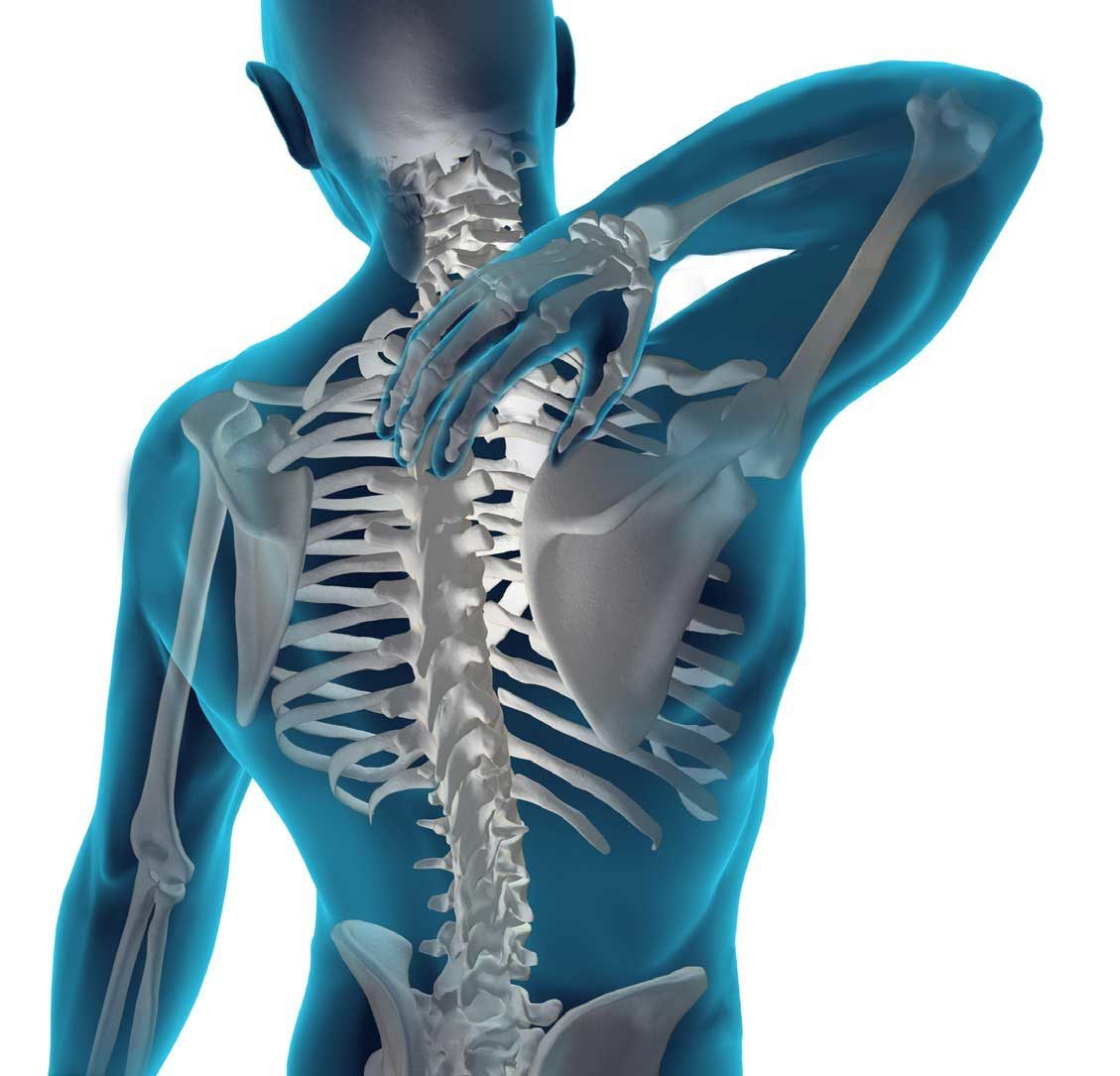
Nearly two years ago, a good friend of mine, Dr. Peter Martone, a longtime chiropractor, pointed out I had some problems with my cervical spine. While I initially disagreed, X-rays revealed degeneration in my fifth and sixth cervical vertebrae, even though I had no symptoms at all.

In this interview, Dr. Michael Hill - a graduate of Palmer College in Davenport, Iowa - discusses Chiropractic BioPhysics® (CBP) and Gonstead, a specific type of chiropractic treatment that addresses this kind of problem. I've always been opposed to X-rays and don't recommend them. In this case, however, it's necessary, as the treatment is precisely calibrated based on the X-ray data.
"With chiropractic, one of the big components I like to really help patients understand is ... where all health and healing comes from," Hill says. "We can't deny that the nervous system coordinates all function and healing in the body. If you don't know how to take care of it, who's going to do that for you and help you understand the importance behind it? Education is one of our biggest components in our office.
Chiropractic technique stands on three legs: the philosophy, science and art. If we take one away, it's easy to tip over. We've got to stay solid on those three components ... Gonstead and CBP have a lot in similarities, but a lot in differences. When it comes to understanding 'structure dictates function,' your spine is basically the framework of everything else that works off of that.
Then it's important to understand that we need to identify any structural changes that are compromising the way we should function. The intimate relationship between spine and nervous system is just that. It's intimate - if we don't take care of the spine, the [nervous system] is going to fall short of 100 percent function."

Syringe

Distribution first, safety second: HHS hasn't filed vaccine safety reports to congress in 30 years

vaccination
After an uptick in lawsuits in the 1980s, the vaccine manufacturers essentially held the government hostage and threatened to stop making vaccines unless the government took on responsibility for vaccine injury lawsuits. The National Childhood Vaccine Injury Act of 1986 was then enacted which made the taxpayers liable for injuries caused by vaccines and not the manufacturers.

This removal of liability has created the incentive to turn out new vaccines with very little testing, as the companies don't have to worry about financial hardships for injuring people, which in turn has shaped the situation that we find ourselves in today.

In the last 2 decades, we've witnessed a near 300% increase in the number of CDC recommended vaccines. As the vaccine companies no longer had an incentive to rigorously test the safety of their vaccines, the responsibility of testing vaccine safety was then passed to the US government.

Now, a lawsuit filed against the US Department of Health and Human Services., on behalf of the Informed Consent Action Network (ICAN) and counsel, Robert F. Kennedy, Jr., has revealed that the biannual reports for these safety studies - as required by Congress - have never happened.

Comment: Why is this not surprising?


Bacon n Eggs

Integrative gastroenterologist: What you eat affects everything

Robynne Chutkan


How men and women digest differently, diet changes our skin, and gluten remains mysterious: A forward-thinking gastroenterologist on eating one's way to "gutbliss"


Robynne Chutkan, MD, is an integrative gastroenterologist and founder of the Digestive Center for Women, just outside of Washington, D.C. She trained at Columbia University and is on faculty at Georgetown, but her approach to practicing medicine and understanding disease is more holistic than many specialists with academic backgrounds. She has also appeared on The Dr. Oz Show (of which I've been openly skeptical in the past, because of Oz's tendency to divorce his recommendations from evidence).

Chutkan's first book comes out today. You might pick out an Oz-ian air to the title: Gutbliss: A 10-Day Plan to Ban Bloat, Flush Toxins, and Dump Your Digestive Baggage. Oz even endorses it on the back of the jacket: "Dr. Chutkan blasts away the bloat as she tastefully explains the guts of our problems."

Dr. Chutkan helped me reconcile some of this - blast away a little bloat, if you will - on simplifying medicine, subspecialists embracing therapies aimed at overall wellness, why a gastroenterology clinic would be sex-specific, and how to think about the whole gluten-free idea; among other answers to questions I wouldn't have thought to ask.

Health

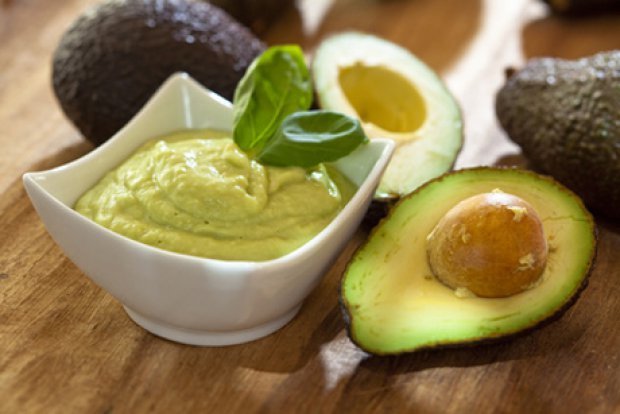
Don't throw away that pit! How to get the most out of your avocado

Avocado
Avocados (Persea americana) are one of the most popular fruits in the U.S., and two-thirds of consumers have purchased them in the past year. According to Hass Avocado Board 2014 tracking,1 60 percent of those purchasing avocados fall into the "lovers/enthusiasts" category, meaning they purchase at least 37 avocados each year. This is particularly striking since as late as the 1970s, avocados were more of a luxury item or a delicacy.

Avocados are actually a fruit, rich in monounsaturated fats that are easily burned for energy. Including them in your everyday diet helps to increase healthy fat without increasing protein or carbohydrates. Avocados are also high in potassium, which helps to balance your vitally important potassium to sodium ratio.

In the early 20th century, avocados were still called "alligator pears" due to their green bumpy skin. In a brilliant PR campaign move, avocados were renamed and rose out of obscurity. They subsequently beat the low-fat craze in the '80s and '90s and found their way into the hearts of Americans. The single greatest game-changer may have been avocado's entrance into the Super Bowl.2

The California Avocado Commission PR firm held a "Guacamole Bowl" in the 1990s, gathering recipes from NFL players and taste testing them on fans and reporters. But it's not just the avocado that is rich in vitamins and antioxidants. You might be surprised to find the pit has numerous health benefits as well.

Info

Wash your hands to limit chemical exposure

hand washing
© Mother Nature Network
Hand-washing is a simple and effective way to reduce your exposure to disease-causing germs, thereby lessening your chances of getting sick. Regular hand-washing may also reduce the risk associated with chemical exposures. According to the U.S. Environmental Protection Agency (EPA), you may decrease your child's exposure to flame retardant chemicals using simple hand-washing techniques.1

These chemicals are added to your furniture, insulation, construction materials and electronics to make the item less prone to burn. Alas, not only are they ineffective, but they also escape from the products into the air and attach to dust. In addition to being inhaled, these chemicals may also be ingested after being transported by your hands onto your food and into your mouth.2

Comment: Cold water just as effective as hot in hand washing


Health

'Sleep Hacking' - does it work?

alarm clock
You can "hack" a lot of your health, diet, and lifestyle. You can cook the entire week's meals ahead of time, buy high-quality prepackaged foods and ready-to-cook meals, cover your nutritional bases with smart supplementation. You can condense your training time by choosing the right exercises and upping the intensity to a sufficient level. You can fast-track your stamina in a fraction of the time with sprints and intervals.

But you can't hack sleep. There are no shortcuts to sleep. You can't escape the need for 7-8 hours (perhaps 4-5 if you're genetically gifted). The human body needs those hours. The human brain needs those hours to pick up trash and clean up around the cranium. And it needs to arrive at them naturally.

Comment: The Health & Wellness Show: Robbed of Sleep, Robbed of Health: The Importance of Catching Winks


Light Sabers

The ongoing battle between breast milk and infant-formula companies

breastfeeding
© Thanasis Zovoilis / Getty
When Trump administration officials opposed a WHO breast-feeding resolution, they followed a long history of policymakers listening to baby-formula manufacturers.

It was an issue over which a strong show of American exceptionalism wasn't exactly expected: breast milk.

According to a recent report from The New York Times' Andrew Jacobs, American officials at the World Health Assembly in Geneva this spring wanted to modify a breastfeeding resolution, and they went to the mat to do it, threatening other countries unless they promised to drop it.

Comment: Read more about the benefits of breastfeeding for both mother and child:


Syringe

Samoa recalls MMR vaccine after two babies die within minutes

baby vaccine Samoa Lameko Siu
© AVNLameko Siu, one of two children who died minutes after being receiving the MMR vaccine at a program in Samoa on Friday (July 6).
Wellington, AAP - Samoan health officials have recalled a vaccine as they investigate the deaths of two babies shortly after immunisation.

The one-year-olds both died after being given a measles, mumps and rubella (MMR) vaccine at the district hospital in Savai'i last Friday, according to the country's government.

According to a media release from the AVN, 'the family of the first child told reporters that their daughter, Lannacallystah Samuelu, was dead only three minutes after the nurse administered the vaccine'.

Comment: Heartbreaking. If you haven't already, we suggest watching the documentary Vaxxed, which specifically addresses the problem of administering the MMR vaccine to small children.


Phoenix

Drug made from apple peel extract increases longevity in mice by targeting senescent cells

anti aging drug quercitin, apple peel anti-aging
Anti-ageing drug quercetin is found in apple peel
We're beginning to understand the causes of ageing and how to reverse it - thanks to an extract from apple peel. A team has found that a combination of dasatinib - a leukaemia drug - and quercetin - an extract from apple peel - can make elderly mice live 36 per cent longer.

These drugs were chosen for their ability to selectively kill so-called senescent cells. These abnormal cells are in the process of breaking down, but they resist dying. They usually start appearing in the human body in our 60s, although they can arise much earlier in people who are obese or experience a chronic disease.

Some have suggested that these cells themselves catalyse the ageing process, kicking it into action. Now James Kirkland of the Mayo Clinic in Rochester, Minnesota, and his colleagues have shown that this does seem to be the case. When they injected small numbers of senescent cells into young, 6-month-old mice, the animals' speed, endurance and strength fell by 20 to 50 per cent within a few weeks, sinking to the level of a typical elderly, 2-year-old mouse.

"We wouldn't believe it for a long time, so we did it again and again and again," says Kirkland. "It was weird to get this result with so few cells."

Comment: Quercetin has been found to have a number of positive health benefits. As a supplement it has been used to ameliorate obesity, Type 2 diabetes, circulatory dysfunction, chronic inflammation, hay fever and mood disorders and has also been found to prevent and treat both the common cold and influenza.


Health

Palliative sedation: Although legal, the end-of-life practice poses a moral dilemma for doctors

palliative care, end of life sedation, palliative sedation
Toward the end, the pain had practically driven Elizabeth Martin mad.

By then, the cancer had spread everywhere, from her colon to her spine, her liver, her adrenal glands and one of her lungs. Eventually, it penetrated her brain. No medication made the pain bearable. A woman who had been generous and good-humored turned into someone hardly recognizable to her loving family: paranoid, snarling, violent.

Sometimes, she would flee into the California night in her bedclothes, "as if she were trying to outrun the pain," her older sister Anita Freeman recalled.

Ms. Martin fantasized about having her sister drive her into the mountains and leave her with the liquid morphine drops she had surreptitiously collected over three months - medicine that didn't relieve her pain but might be enough to kill her if she took it all at once. Ms. Freeman couldn't bring herself to do it, fearing the legal consequences and the possibility that her sister would survive and end up in even worse shape.

California's aid-in-dying law, authorizing doctors to prescribe lethal drugs to certain terminally ill patients, was still two years from going into effect in 2016. But Ms. Martin did have one alternative to the agonizing death she feared: palliative sedation.

Under palliative sedation, a doctor gives a terminally ill patient enough sedatives to induce unconsciousness. The goal is to reduce or eliminate suffering, but in many cases the patient dies without regaining consciousness.

Comment: See also: Hard Choice for a Comfortable Death: Sedation