Health & WellnessS


Attention

Deprescribing

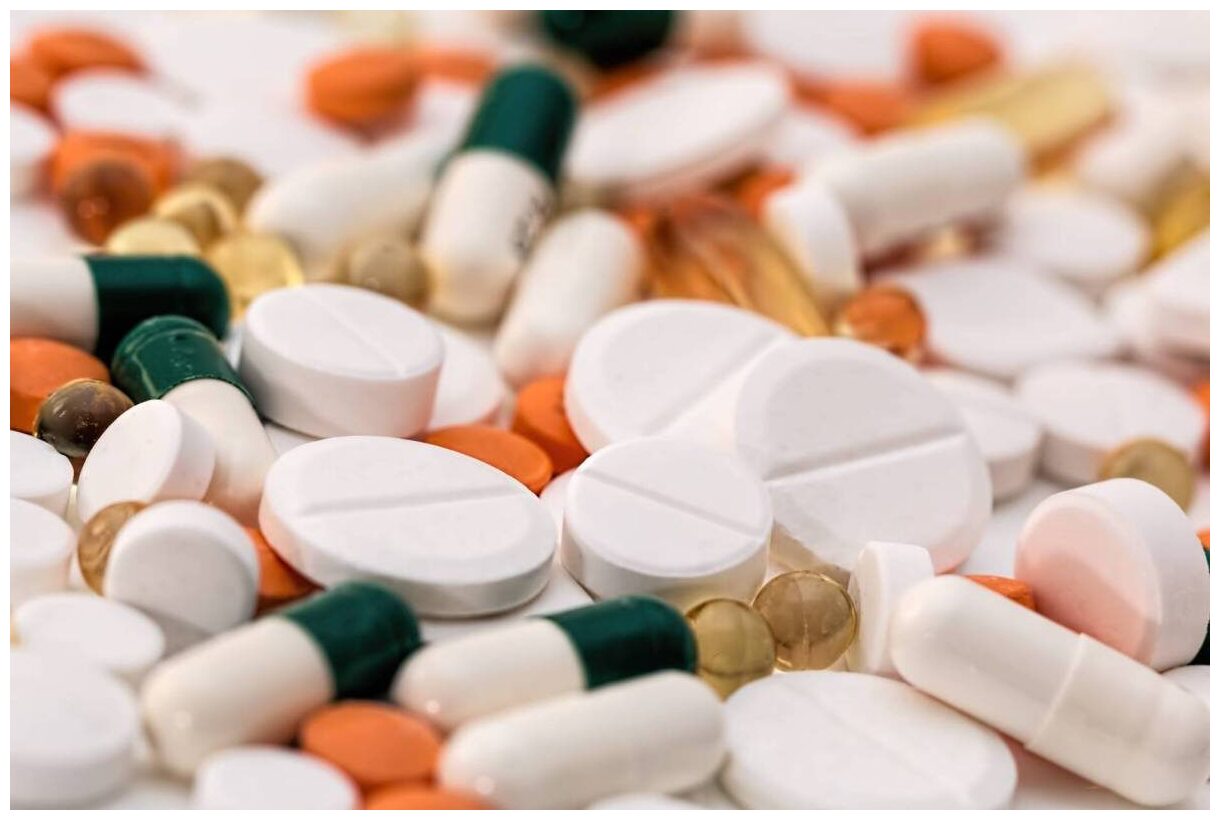
Pills and Tablets
© SebastianRushworth.com
Last year I spent a couple of months working as a physician in a geriatric hospital, i.e. a hospital that specializes in taking care of elderly people. One thing that struck me particularly was the large number of medications each patient was on. I don't think it would be much of an exaggeration to say that the average patient had ten or more medications that they were taking on a daily basis.

This condition, of taking many different medications, is known as polypharmacy. It is a big problem. And a growing problem. In the US, 31% of older adults were taking 5 or more medications per year in 2006. Five years later, that number had increased to 36% . In a Swedish population study, 17% of adults were taking five or more drugs per day in 2006. This had increased to 19% in 2014. Among people over 90 years old, 80% were taking five or more drugs per day.

But, you might say, surely they needed those drugs? After all, they were prescribed the drugs by a doctor for a reason. And older people generally have more underlying conditions, and therefore need more drugs.

All of this is true, to a point, but the reality is more complicated. The first problem concerns how scientific studies of drugs are carried out. Most of the time, studies look at a group that has a single condition, for example heart disease, and exclude people with co-morbidities like lung disease or diabetes. Additionally, studies usually exclude people over a certain age.


Butterfly

Bringing the forest to kids' daycare may boost young immune systems

Child playing in nature
© Arek Socha/Pixabay
Want to give your kids an immune system boost? Try letting them play in the dirt more often, a new study suggests.

Researchers in Finland found that when they brought nature into daycare playgrounds -- including forest soil and vegetation -- preschoolers' immune function showed a change for the better. In simple terms, it shifted to a less inflammatory state.

That immune system redirect was also accompanied by some changes in the children's microbiome -- the vast collection of bacteria and other microbes that naturally live on and in the body. Research has revealed those bugs to be vital in normal body processes -- from metabolism to brain function to immune system regulation.

It's too early to know whether bringing the forest to urban playgrounds has real health benefits, experts said.

Comment: See also:


Syringe

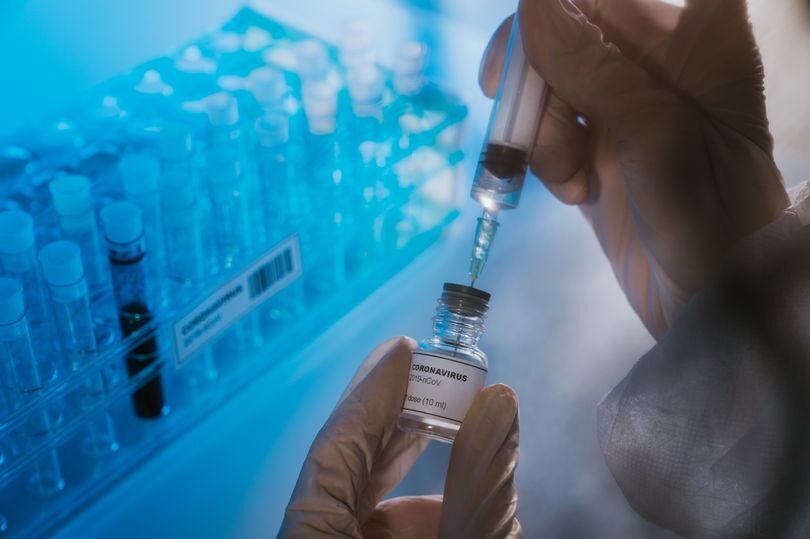
Best of the Web: A Sars-Cov2 vaccine - don't hold your breath

COVID-19 vaccine
[But concern may be in order]

I suppose most people believe the trials on vaccines for COVID19 will be looking to demonstrate that they reduce the risk of infection, death, or serious illness - or suchlike.

Also, you may have heard that several vaccines could be ready for use early next year 2021. Maybe even later this year.

As Dilbert may retort: Hahahahahahahahahahahaha! Oh, let me pause and wipe away my tears of mirth.

Really. Think about it. Then think a bit more...

AstraZeneca (AZ) is thought to be leading the pack with their vaccine AZD1222. Their major clinical trial will recruit 30,000 participants - which is good. You can find the trial description on Clinicaltrials.gov. It goes by the snappy title 'Phase III Double-blind, Placebo-controlled Study of AZD1222 for the Prevention of COVID-19 in Adults.' 1

Pills

Gilead paid $178 million to doctors to promote Hepatitis C drugs despite patient deaths

Gilead
According to sealed court documents, Gilead has been under investigation for illegally funneling kickbacks to health care providers in the US to boost sales.
American pharmaceutical giant Gilead has paid at least $178 million to doctors and $81 million to hospitals in the US to promote and prescribe the company's drugs despite cases of deaths and severe side effects. The drug-maker funded as many as 21,833 physicians in 2019 alone, according to data about Gilead payments from 2013 to 2019.

Arms Watch has already revealed that at least 249 patients enrolled in the Gilead $3.3 billion Hepatitis C elimination project in Georgia have died, according to leaked documents. The cause of death of some patients has been reported as "unknown" in Gilead confidential reports. Other patients enrolled in the program have discontinued treatment due to serious adverse events. Some of them have died.

Comment: Add Gilead to the long list of Big Pharma companies that has a track record of doing far more harm than good:


SOTT Logo Radio

SOTT Focus: Objective:Health - Is Your Mind Confined to Your Brain?

O:H header
Are the mind and brain the same thing? Science and philosophy seem to be pointing more and more to the idea that they're not. While the materialist view has always held that consciousness is only a byproduct of our physical firing neurons, there is far too much that is unexplainable under this paradigm. Things like near death experiences, out of body experiences, mystical experiences and psychedelic experiences, for example, simply cannot be explained if we think of our consciousness as nothing more than the result of our physical brain matter.

Is there a better model than the materialist one we're always told is true? What if the mind is non-physical and the brain an apparatus downstream in the line from consciousness to matter?

Join us on this episode of Objective:Health as we explore the question: Is your mind confined to your brain?


And check us out on Brighteon and lbry.tv!

For other health-related news and more, you can find us on:

♥Twitter: https://twitter.com/objecthealth
♥Facebook: https://www.facebook.com/objecthealth/
♥Brighteon: https://www.brighteon.com/channel/objectivehealth

♥And you can check out all of our previous shows (pre YouTube) here.

Running Time: 00:32:26

Download: MP3 — 29.7 MB


Arrow Up

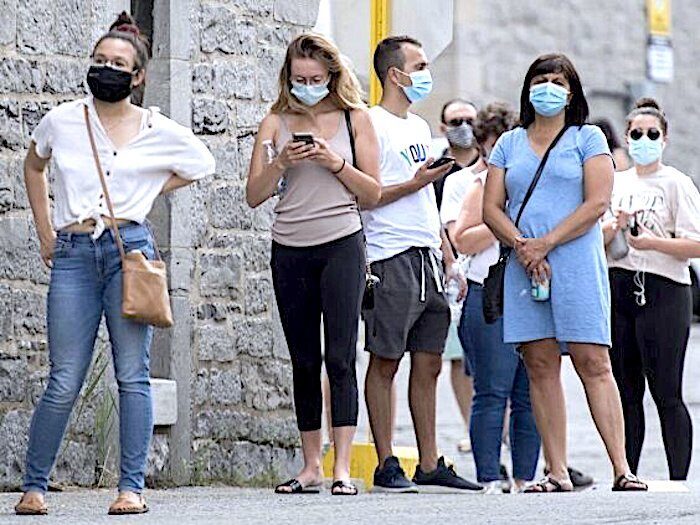
Best of the Web: CDC study finds overwhelming majority of people getting Coronavirus wore masks

Covid test lineup
© Graham Hughes/The Canadian Press
A Centers for Disease Control report released in September shows that masks and face coverings are not effective in preventing the spread of COVID-19, even for those people who consistently wear them.

A study conducted in the United States in July found that when they compared 154 "case-patients," who tested positive for COVID-19, to a control group of 160 participants from the same health care facility who were symptomatic but tested negative, over 70 percent of the case-patients were contaminated with the virus and fell ill despite "always" wearing a mask.

"In the 14 days before illness onset, 71% of case-patients and 74% of control participants reported always using cloth face coverings or other mask types when in public," the report stated.

Comment: Nice to know that in the 'protection' lineup, vaccine comes in 3rd place behind 1) no mask and 2) mask. Anything short of the truth is an agenda - the obfuscation of facts to effect directed outcomes.

See also:


Biohazard

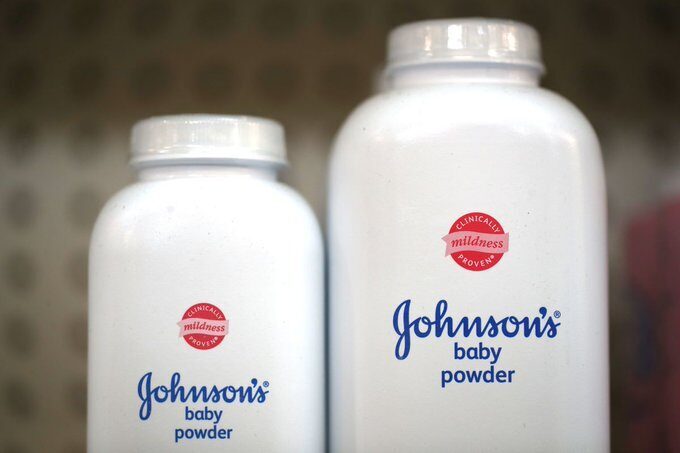
Johnson & Johnson to pay more than $100 million to end over 1,000 talc lawsuits

johnson & johnson talk baby powder
Johnson & Johnson has agreed to pay more than $100 million to resolve over 1,000 lawsuits blaming its baby powder for causing cancer, in the first set of major settlements in four years of litigation, people with knowledge of the pacts said.

The accords, struck with several law firms, signal that the world's largest maker of health care products is trying to get ahead of the burgeoning litigation, with some 20,000 lawsuits still pending, according to securities filings. They mark the first time Johnson & Johnson has settled the bulk of a plaintiffs lawyer's cases in the baby powder suits, rather than individual suits on the eve of or during trial.

The deals come seven months since J&J last faced a jury reviewing evidence about the cancer risk of its signature talc product, which it maintains is safe, although it has replaced it with a cornstarch version in the U.S. and Canada. The company used the lull, due to the pandemic, to hold settlement talks, according to the people, who asked not to be identified because the matter is private.

Comment: See also:


Microscope 2

New study shows significant link between mercury and autism

laboratory mercury autism
The controversy over whether mercury overexposure can trigger autism is a long-standing one. A new meta-analysis of previous studies sheds much needed light on the matter, concluding there's a "significant relationship" between the two.

The review,1,2 published in the September 2020 issue of Pediatric Health, Medicine and Therapeutics, looked at 18 studies conducted between 1982 and 2019 that examined the relationship between concentrations of copper, lead or mercury in blood, plasma, hair or nails and the prevalence of autism. While no relationship was found between autism and copper concentrations, a high degree of correlation was found for mercury and lead.

According to the authors,3 the relationship between mercury and autism is so strong that "the concentration of mercury can be listed as a pathogenic cause (disease-causing) for autism." This held true even when outlier studies that might unduly influence the results were removed.

Comment: See also:


Health

Air pollution damages young brains much like Alzheimer's and Parkinson's disease - research

smog
© Reuters / Henry Romero
Scientists have found tiny air pollution particles in the brains of young people, which they say may cause damage to cells in a similar way to Alzheimer's and Parkinson's disease.

The brains of 186 deceased young people, including small children, from Mexico City were dissected as part of the study, which was published in Environmental Research journal.

Tiny air pollution particles were discovered in the brain stems of each of the studied individuals, with the researchers warning that they can affect molecules much like Alzheimer's and Parkinson's.

The evidence of pollution was located in the substantia nigra - an area of the brain that's crucial to the progression of Parkinson's disease. The team believes that the particles, linked to Alzheimer's and Parkinson's, and which were detected in the young subjects' brains, could have made their way into the human system through the nose or gut.

Comment: Despite the science behind air pollution being the cause behind a whole host of maladies, no one in any sort of authority is treating that anywhere near as close to a problem as they did with smoking cigarettes. The reality is that the majority of ills laid at the feet of tobacco are actually the fault of pollution.


Health

Breast cancer screening saves lives?

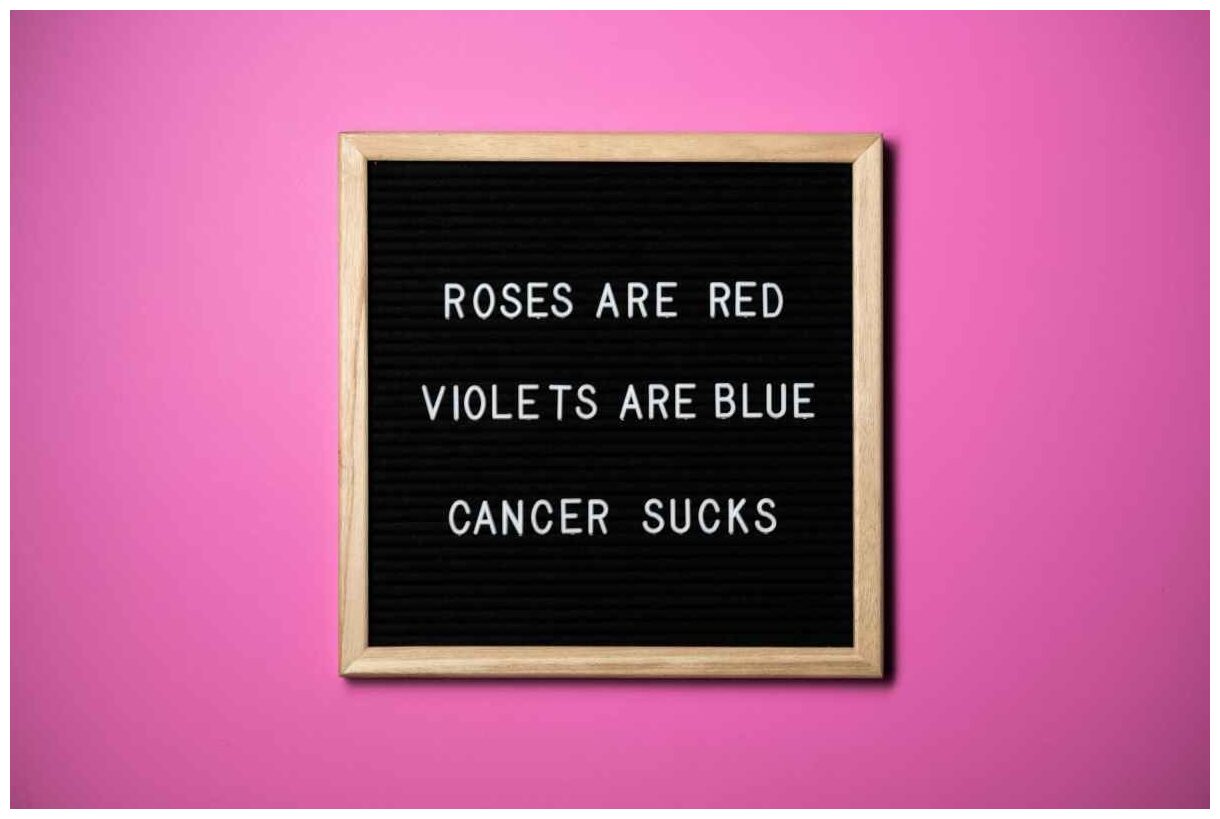
Cancer Sucks
© SebastianRushworth.com
After my article showing that prostate cancer screening with the PSA-test does more harm than good, I was asked to follow up with an article looking at breast cancer screening with mammography. That turned out to be easier said than done, because virtually all studies of breast cancer screening only report the effect of screening on breast cancer mortality, not on overall mortality.

As I've discussed several times before on this blog, mortality from a specific disease is a meaningless when trying to work out if an intervention is life saving or not. The only statistic that matters is overall mortality. If an intervention decreases your risk of dying of breast cancer by 10%, but increases your risk of dying of something else by 10%, you probably wouldn't be interested in that intervention. People care about whether they are dead or alive, not about which cause of death is listed on their death certificate.

Unfortunately, a lot of scientists don't seem to understand this very basic concept, and so continue to produce meaningless studies showing that intervention x decreases the risk of dying of y, without any thought as to what the effect on overall mortality is.

When it comes to screening, there is a second problem, and that is that screening generates a lot of false positives. A false positive is when someone is told that they have a disease when in fact they don't. The problem with false positives is that they lead to follow-up interventions, which can sometimes cause physical harm and even death.