Earth ChangesS


Attention

Swarm of 20,000 earthquakes could trigger Iceland's volcanoes to erupt

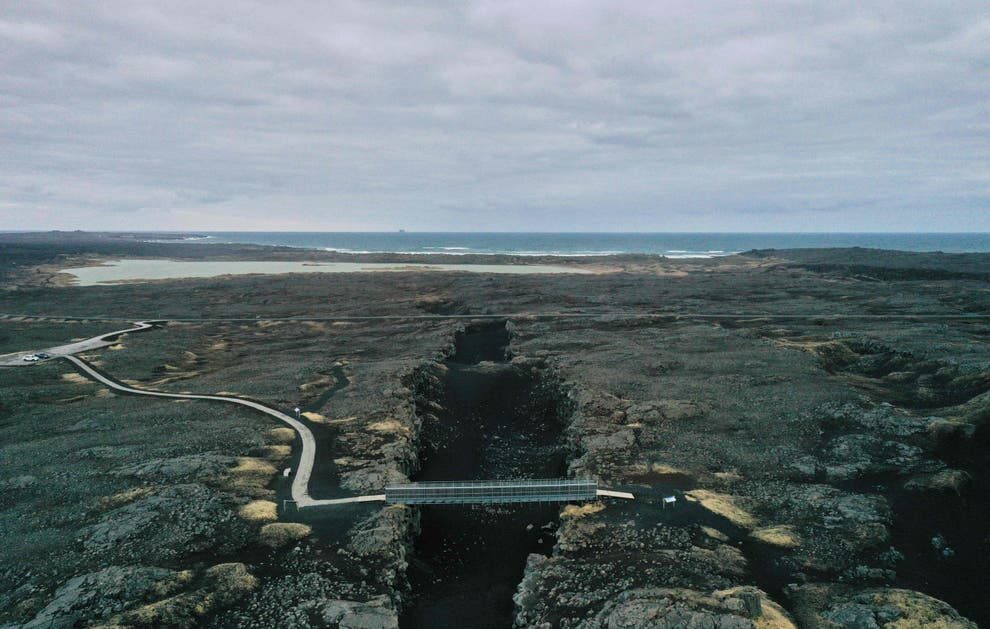
Aerial view of the Reykjanes peninsula, Iceland
© AFP via Getty ImagesAerial view of the Reykjanes peninsula, Iceland, some 50 kilometres west of the capital Reykjavik – one of the three most seismically active areas on the planet.
Fiery eruptions spewing from Iceland's volcanoes could follow the tens of thousands of earthquakes that have shaken the nation over the past fortnight, scientists fear.

Experts monitoring underground magma movements in the Reykjanes Peninsula, in southwest Iceland, are on tenterhooks. Seismic whispers and changes in the land's shape mean an "effusive volcanic eruption could occur", according to the Icelandic Meteorological Office (IMO). But so far, nothing has happened.

"That's something new. We didn't expect that," Dr Dave McGarvie, a volcanologist at Lancaster University said. The researcher told National Geographic that "people started wondering, what the hell is going on here?" when magma moving towards the earth's surface began to die down - after an eruption appeared to be just hours away.

Murmurs in the region, first detected over a year ago, have culminated in more than 20,000 earthquakes since activity began on 24 February, according to the IMO.

Comment: Scientists in Iceland say 'strong signs' volcanic eruption is imminent


Hardhat

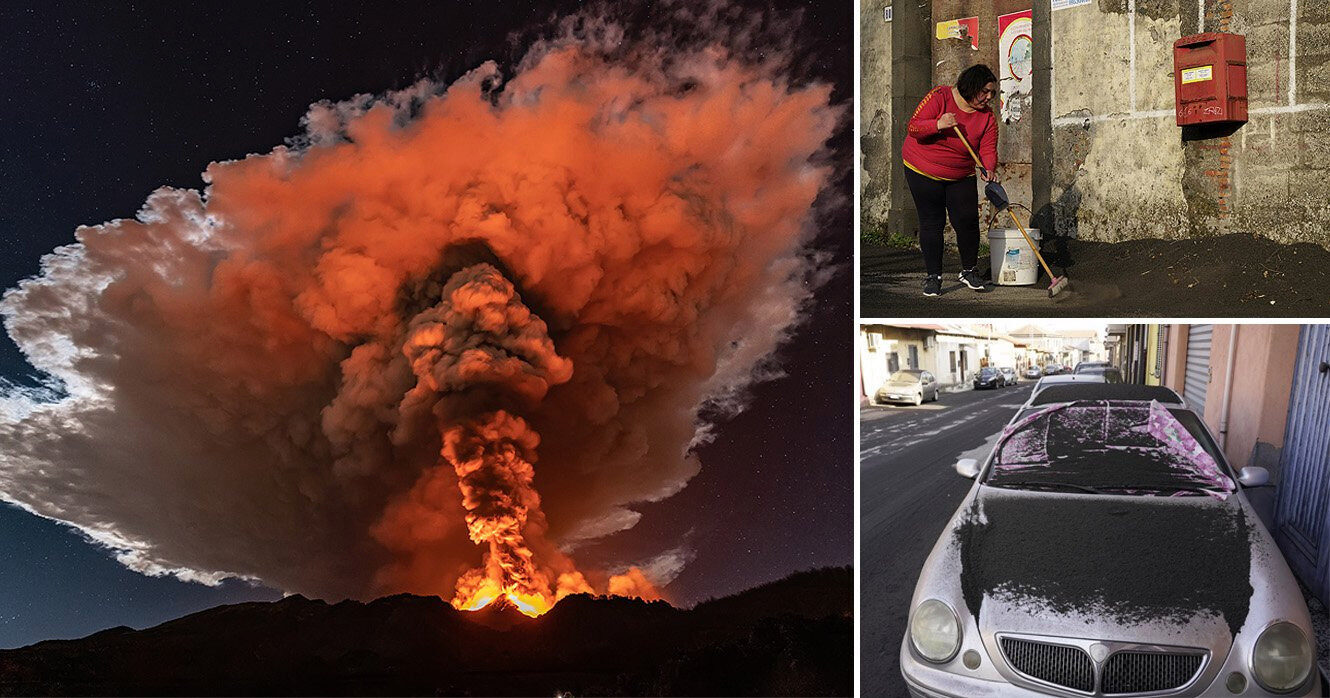
Best of the Web: Mount Etna erupts for the 10th time in 3 weeks, raining rocks and ash down on Catania, Sicily

etna ash sicily
Ash and rocks rained down on nearby towns in Sicily
Europe's biggest and most active volcano has been erupting since mid-February, raining ash and smoke over Sicily's eastern coast. Mount Etna last erupted at 2am local time (1am GMT) on Sunday, March 7, in a spectacular display of nature's fireworks. The eruption, or paroxysm, saw "impressive lava fountains" shoot into the sky from Etna's northeast crater, according to volcanologists at Volcano Discovery.

Activity picked up in the wee morning hours on Sunday after three days of relative peace and quiet.

Volcano Discovery said: "This marks the 10th paroxysm in a row in a remarkable series since February 16.

"Intervals between individual eruptions have been regular, ranging between 36 hours to 3.5 days only, and there are no signs that this series is ending soon."

Lava fountaining at Etna's crater was preceded by a spike in volcanic tremors - a surefire sign of magma rushing to the surface.

The volcano belched a column of ash and smoke that left nearby towns covered in ash and was even picked up by satellites, according to BBC Weather.

A report issued by the Volcanic Ash Advisory Center Toulouse (VAAC) on Sunday warned of sulphur dioxide (SO2) mixed with ice and some ash in the clouds around the volcano.


Cloud Precipitation

Flash flood in Aguilas, Spain

flood
Los Alcázares had sent out workers to check on drains and Protección Civíl was on patrol in San Pedro del Pinatar.

The rain in Spain stayed mainly in Águilas on Sunday morning, as rainfall inland swept down into the ramblas which disgorged into the Mediterranean, leading to lucky escapes for two vehicle owners, and left over 60mm of rain in Águilas itself.

The original forecast had been for the worst of the rain to hit Mazarrón and the Campo de Cartagena all around the Mar Menor, but in this area the maximum rainfall was around 40mm in Los Alcázares, leading to plenty of muddy puddles and minor flooding, but there were no significant problems as there have been in the past.


Cloud Lightning

Cyclone Niran causes extensive damage in New Caledonia

damage
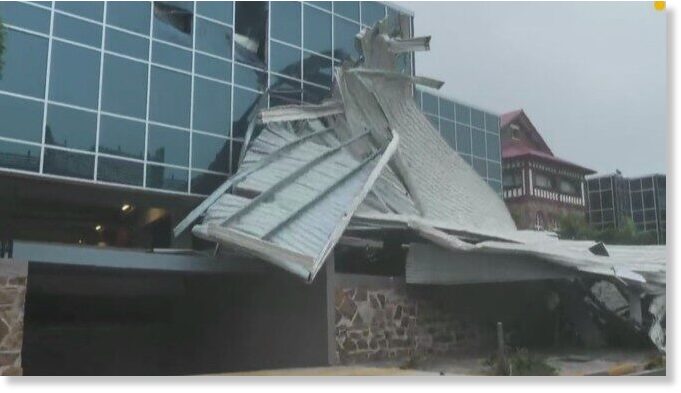
Tropical cyclone Niran has injured at least one person and caused extensive damage in New Caledonia, according to early reports.

The cyclone hit today, generating gusts of up to 220km/h.

RRB radio reported a child was injured by shards of glass from a bay window during the storm.

About 20,000 people are without power and roofs have also been ripped off buildings in the town of Dumbea, on the outskirts of Noumea.

Several ships have also been forced aground on the coast in Noumea although, according to a provisional report, no major damage was recorded following the cyclone, the intensity of which was a little lower than expected.


Cloud Precipitation

10 dead or missing after flash floods in Chlef Province, Algeria

Civil Protection Search Operations After Floods
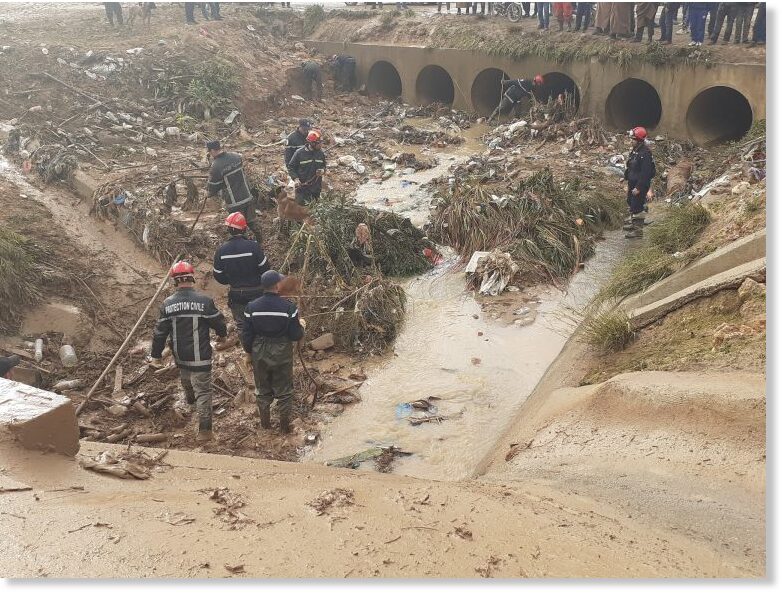
© Civil Protection AlgeriaCivil Protection Search Operations After Floods in Chlef Province, Algeria, March 2021.
At least 10 people died or are missing after flash floods in Chlef Province of Algeria on 06 March 2021.

Civil Protection said that the Chlef Province experienced heavy rainfall on 06 March, causing the Wadi Meknasa to flood in an areas of the Oud Sly Commune, west of the city of Chlef. Three vehicles were swept away in the flooding and nearby houses damaged.

As of 07 March, 7 fatalities had been reported as a result of the floods. Five of the deceased are believed to be from the same family. Civil Protection and other emergency workers continue to search for 3 missing people.

Severe flooding recently affected the province of Jijel in northern Algeria after 140mm of rain fell in 24 hours to 21 December.


Nebula

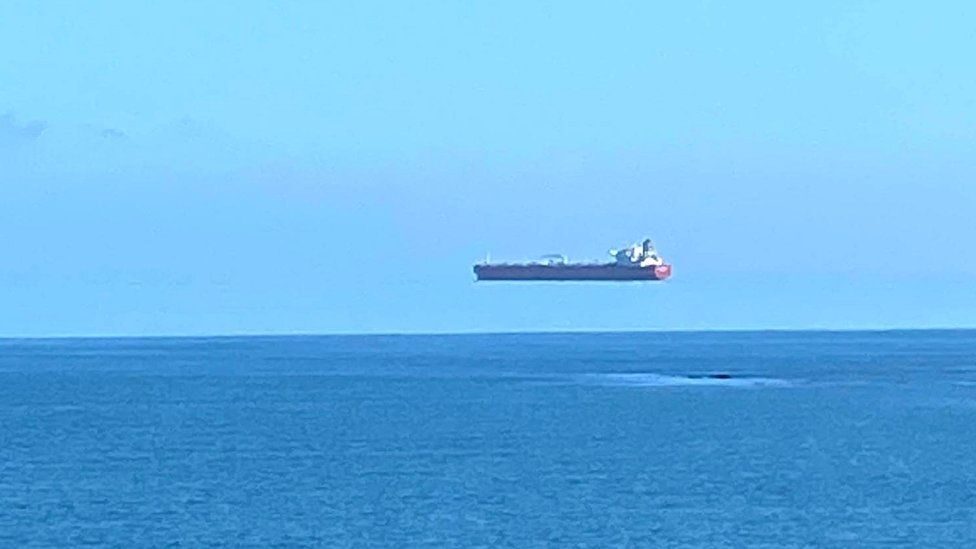
Fata morgana: Rare 'hovering ship' superior mirage photographed off coast of Cornwall, UK

fata morgana
© David Morris/APEXAn optical illusion caused the ship to appear as though it was hovering above the horizon
Images of what appears to be a hovering ship have been captured as the result of a rare optical illusion off the coast of England.

David Morris took a photo of the ship near Falmouth, Cornwall.

BBC meteorologist David Braine said the "superior mirage" occurred because of "special atmospheric conditions that bend light".

He said the illusion is common in the Arctic, but can appear "very rarely" in the UK during winter.

Comment: It's possible that this is yet another sign of the increasingly cooler conditions on our planet:


SOTT Logo Media

SOTT Focus: SOTT Earth Changes Summary - February 2021: Extreme Weather, Planetary Upheaval, Meteor Fireballs

secsfeb2021
Unusually cold temperatures and record snow continued to hit the US well into February, blanketing large parts of the territory.

Winter Storm Shirley impacted the Deep and Upland South and Ohio Valley. In Texas, main roads were blocked, more than 4 million households were without power, and as many as 10 million were left without tap water. It was the costliest natural disaster in the recorded history of the state.

Basic infrastructure was affected as it proved ill-prepared for such a sudden drop in temperatures. "Green energy" also proved to be quite useless in such emergencies with frozen wind turbines and unusable solar panels covered in snow. Is this a glimpse of what may occur in other countries?

Major power outages were also reported in Chihuahua, Mexico, as the same weather system affected northern parts of Mexico and its "green energy" output.

The storm also caused icy precipitation across the Mid-Atlantic states causing over 212,000 power outages and killing at least 12 people.

Freezing rain also left roads, power lines, and trees covered in ice in the North-Western Portland-Oregon, region, and left more than 270,000 people without power. A total of 11.1 inches of snow also fell in Seattle in the middle of the month, making it the snowiest day in Seattle in 52 years.

But the US was not the only country with rare snow and extreme cold events this February. Moscow had its heaviest snowfall in 100 years, with a month's worth of snow falling in just two days. And another snowstorm hit Crimea, forcing the closing of the Crimean Bridge for the first time.

Further south, after a period of unseasonably warm weather across the country, the cold front "Medea" brought frigid temperatures and snow to northern Greece.

A strong winter storm also battered northern Japan coastal regions, ripping off roofs, flooding homes and disrupting transport.

It should be noted that Scotland, Italy, Libya, and Kazakhstan also experienced extreme cold and snowfall this past month.

We continue to read month after month about record-breaking cold and snow, longer winters, increased precipitation, and while climate is a complex matter, and there have been anomalous record heat waves in some countries from time to time, when we consider the numbers, increasingly cold temperatures and heavier snowfalls predominate. The evidence suggests that a new ice age is settling in.

As part of this shift, weather chaos is also part of the picture. Heavy rain and floods continued to disrupt normal life around the world. Raging floods displaced 60,000 in Java Island, 30,000 in Greater Jakarta Region, and affected 90,000 in Semarang City, Indonesia.

South Wales was slammed by a month's worth of rain in 24 hours, while in France, rivers across the country burst banks as Storm Justine dumped half a month's worth of rain in 24 hours.

A 7.3-magnitude quake struck off the coast of Fukushima, Japan. The quake came nearly a decade after an earthquake and tsunami killed over 18,000 people.

One thing is sure, it's becoming increasingly clear that humans are not in control of what's going on out there.

All this and more in our SOTT Earth Changes Summary for February 2021:


Arrow Up

Ecuador's Sangay volcano erupts with ash plume 27000 ft high

Satellite image of Sangay volcano on 6 Mar 2021
Explosive activity continues. Volcanic Ash Advisory Center (VAAC) Washington warned about a volcanic ash plume that rose up to estimated 27000 ft (8200 m) altitude or flight level 270 and is moving at 15 kts in W direction.

The full report is here.

Comment: Is there a connection between cosmic rays, earthquakes and volcanic eruptions?


Seismograph

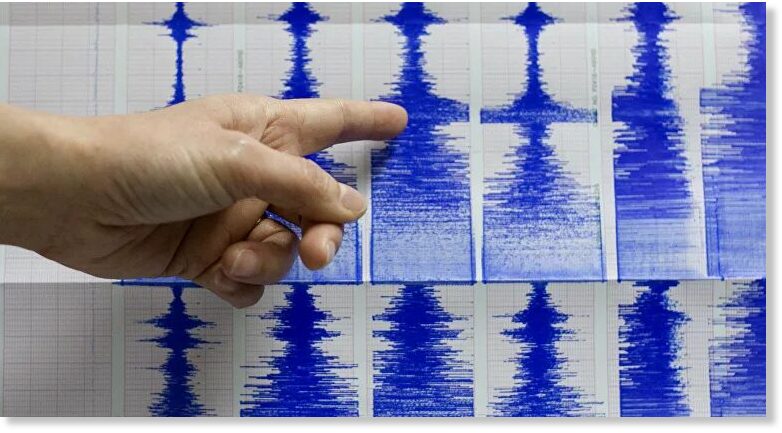
Kermadec Islands region hit by 6.1 magnitude earthquake - 10th of such or greater intensity in last 2 days

Earthquake
© Associated Press
6.1 magnitude earthquake

UTC time: Saturday, March 06, 2021 13:12 PM

USGS page: M 6.1 - Kermadec Islands region

USGS status: Reviewed by a seismologist

Reports from the public: 0 people

10 km depth

Comment: For further details of the other greater than mag. 6 quakes in the region, see here . For more coverage on the massive magnitude 8.1 quake, see: 'Do not stay at home': Tsunami warning for parts of New Zealand after 8.1-magnitude earthquake in the Kermadec Islands


Arrow Down

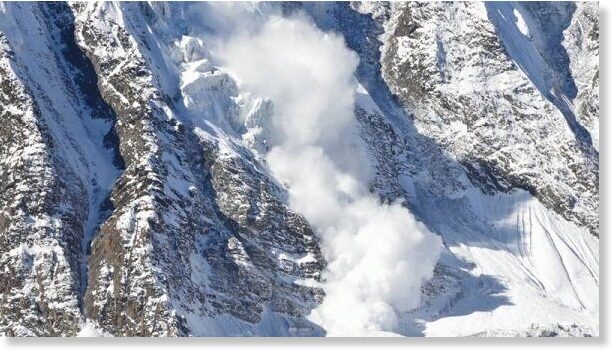
At least 14 killed in Northern Afghanistan avalanche

AVALANCHE
At least 14 people were killed after an avalanche hit a gold mine in a remote area of northern Afghanistan controlled by the Taliban, officials said on March 5.

Farid Nekfar, who heads the disaster management department of Afghanistan's Badakhshan Province, said efforts were ongoing to recover at least two bodies after the avalanche that occurred in the afternoon on March 4.

"We are in contact with the locals and emergency teams. So far 12 dead bodies have been recovered from under the avalanche," Nekfar said. "Unfortunately the area is under the control of the militants."