Today (1 March), spring has begun on the meteorological calendar; however, vicious winter cold will continue to be recorded until the weekend. The strong east wind, which in the Netherlands got the nickname "Russian Bear" and is known in the UK as "Beast from the East",
has caused temperatures to drop well below the freezing point in many parts of Europe. Rome got a blanket of snow, and in Croatia the layer of snow was 1.80 metres thick. On the slopes in the Alps it was freezing, and the same cold has been measured in many parts of northern Europe. Does this winter weather affect the fruit and vegetable market?
The cold and snow have disrupted life in several European countries. In the Netherlands, code yellow was issued because of cold and local snow storms. In the United Kingdom, a weather alarm was issued, and Ireland temporarily issued a code red.
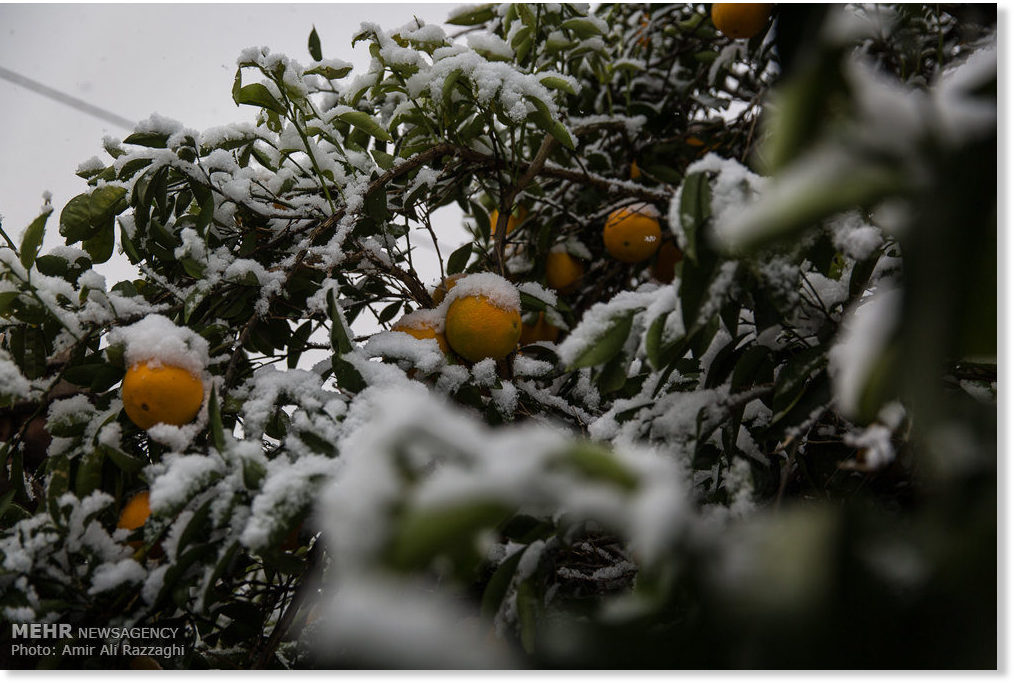
The main consequences for the market are delays in the supply, consumers staying home and a rising demand for winter vegetables. The consequences in other parts of Europe may be greater. Further to the south and east, the first fruit trees were already in bloom or the flowers were about to sprout. The freezing cold may very well damage the early stone fruit harvest in these regions. In few other places did the mercury drop as low as in Poland, but trade remains calm. A day temperature of -10 degrees Celsius is perceived as historically very normal, according to a trader.













Comment: See also: A taste of the future: Fruit and vegetable prices surge as blizzards cut off roads, damage crops in China