Earth ChangesS


Arrow Down

2 families displaced after large sinkhole opens in New Port Richey, Florida

The sinkhole opened between the two houses and is 20 feet deep and 40 feet wide.
Two Florida families are homeless after a large sinkhole opened up between their houses on Wednesday.

Officials responded to the area and deemed both structures unsafe, but no other homes are threatened.

No one was inside either house when the 20-foot deep, 40-foot wide hole formed.

The families did not accept Red Cross assistance and are instead making other arrangements.


Snowflake

After summer fails to show, snow is earliest since 1982 in Yellowknife, Canada

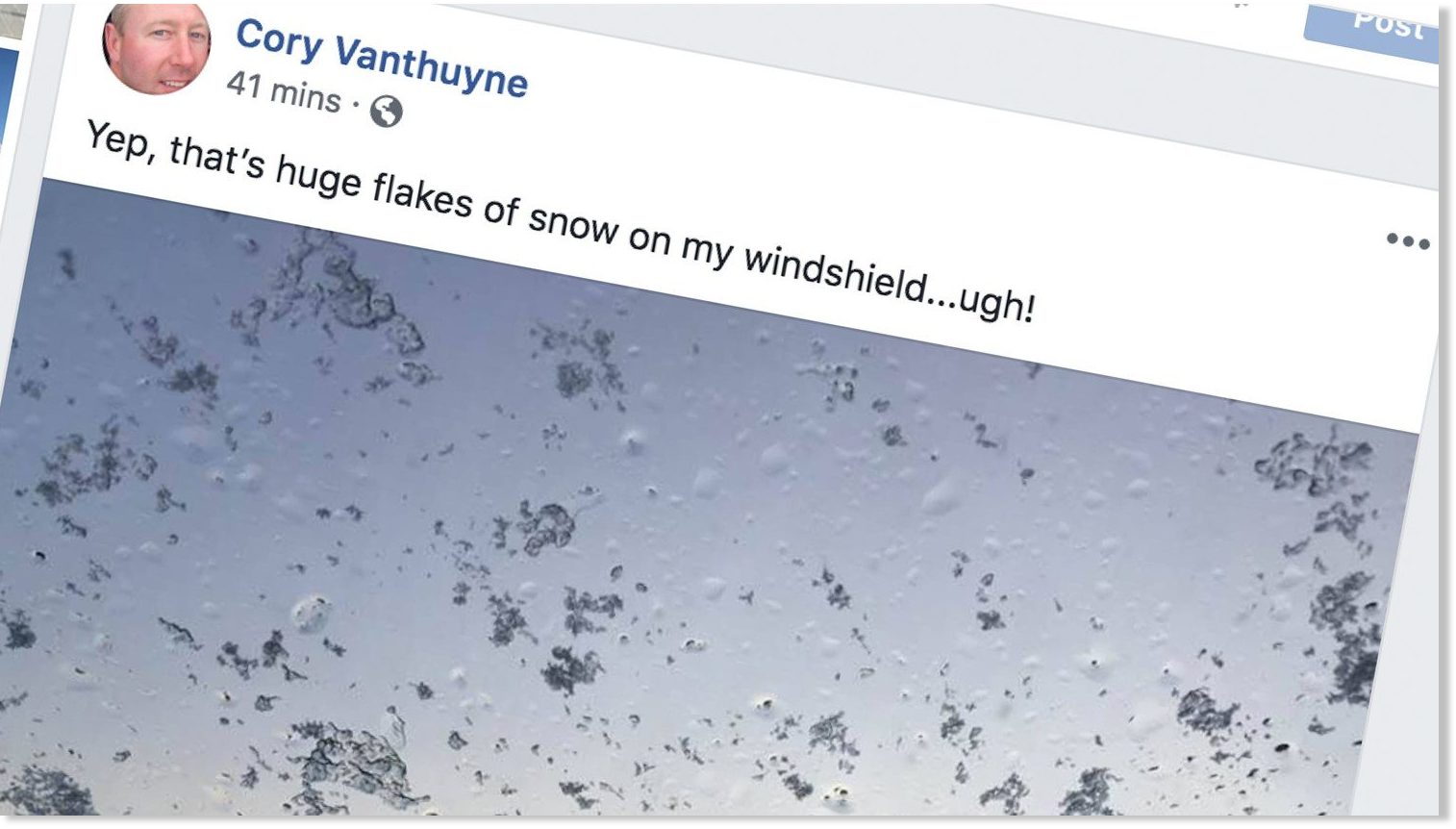
A screenshot of a Facebook post from Yellowknife North MLA Cory Vanthuyne following snow on September 5, 2018.
Yellowknife's year of meteorological misery continued apace on Wednesday as the elements elected to snow on the city's residents.

A brief flurry in the early morning hours resulted in a dusting of Facebook posts by around 7am.

The development suggests fall will follow summer as the second successive season to be mislaid.

However, snow in early September is not without precedent.

September 5 in 1964 produced more than six centimetres of snow, Environment Canada records from Yellowknife Airport's weather station suggest.

Info

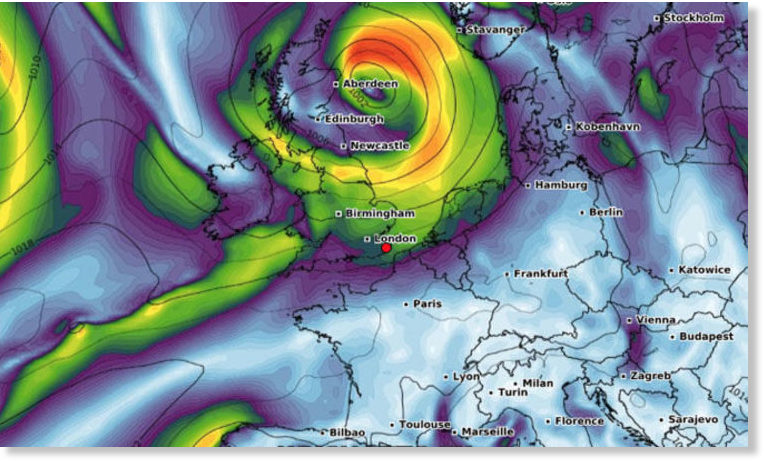
Adapt 2030 Ice Age Report: UK extreme cold late summer as Atlantic ocean temperatures change

STORM MAP

UK, Ireland, Scotland and Wales set for extreme cold in Summer and northern part of the isles will get frost and freezing temperatures over the next few days. The drop has already begun, now lets see how many cold temperature records are broken.

Massive rain deluge in Italy along with lightning bolts in the harbor and loading port at Trieste.

Did I mention Atlantic water temperatures are way cool, this is effecting weather patterns originating in the Atlantic.


Sources

Attention

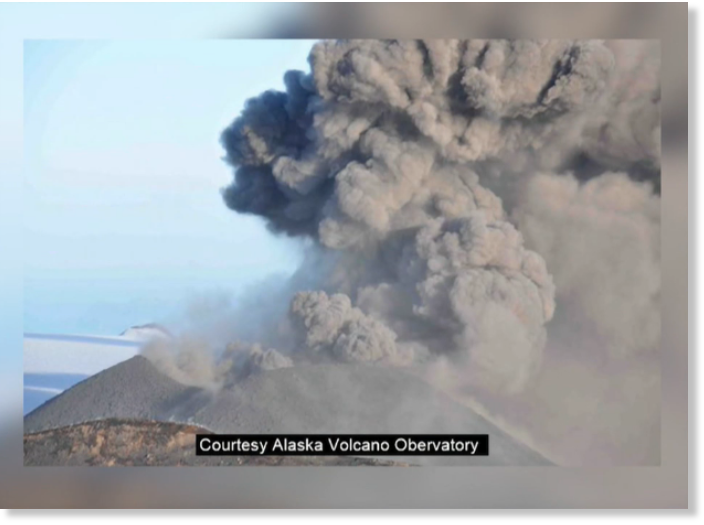
Volcano south of Anchorage, Alaska blows smoke, ash

Mount Veniaminof
Mount Veniaminof
One of Alaska's volcanoes has been showing signs of activity. The Alaska Volcano Observatory changed Mount Veniaminof's threat level from yellow to orange on Tuesday.

According to a notice from the AVO, the activity was noticed on Saturday with the volcano sending ash clouds up to 10,000 feet in the air. If the clouds exceed the 20,000 foot level, planes could be grounded as a result.

David Fee is the coordinating scientist for the AVO, and he says the volcano doesn't pose a threat to the nearby population at this time. He also says this particular volcano is known for being very active.

"It erupts frequently. I think the last one was in 2013, but before that there's been kind of frequent eruptions. I am trying to think of the number over the past 200 years, but it is at least 13 times in the last 200 years it's erupted," said Fee.

Seismograph

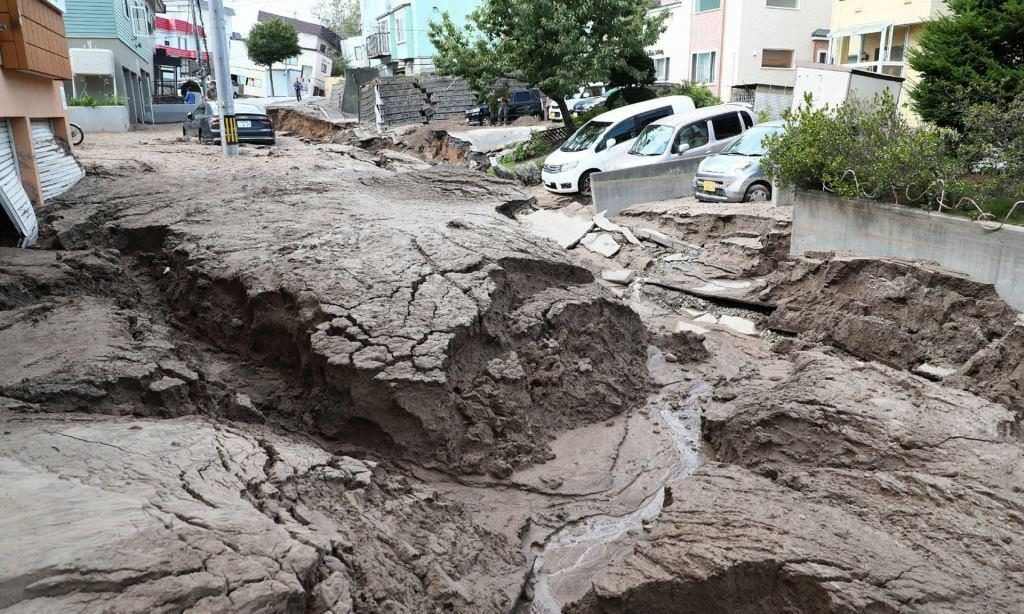
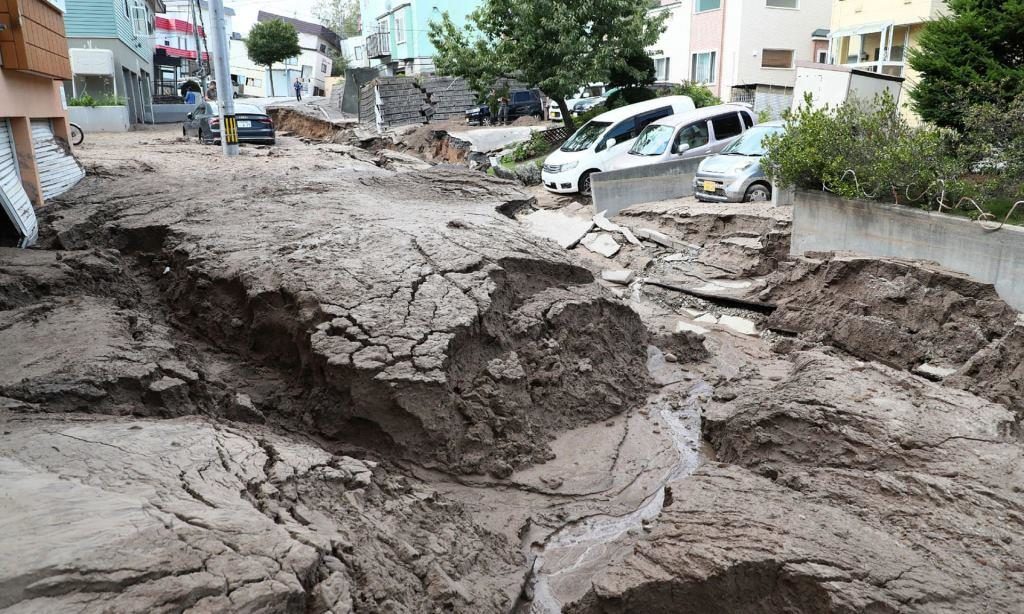
Best of the Web: Another strong earthquake hits Japan - 2 dead, 143 injured - Collapsed buildings and massive landslides in Hokkaido

earthquake japan
© Jiji Press/AFP/Getty ImagesThe earthquake turned this road into liquid in Sapporo, northern Japan
Though not a particularly strong earthquake for Japan, a magnitude 6.7 earthquake there today has caused extensive damage and reports of deaths are beginning to emerge. The quake struck northern Japan, while the US Geological Survey reports that it occurred at a depth of 39 kilometers.

Of course, a quake's magnitude on the Richter Scale doesn't tell us everything about its potential to cause damage. All kinds of waves are generated by earthquakes, and a combination of environmental and infrastructural factors will determine how much damage it causes on the surface.

Today's quake comes a day after Typhoon Jebi, officially the strongest typhoon to hit Japan in a quarter century, swept across the country's main island, further damaging infrastructure and causing at least 11 deaths. Japan underwent another major earthquake just two months ago, resulting in three deaths and leaving over 200 people injured.

In the following footage showing the moment the quake struck, note the now familiar 'earthquake lights' on the horizon. These are likely a plasma phenomenon related to powerful ground-to-sky electric discharge during intense seismic activity:


Cassiopaea

Stunningly complex sun halo snapped above Yellowknife, Canada

sun halo yellowknife
© Stephen Bedingfield
As summer comes to an end in Arctic Canada, there's a chill in the air heralding the approach of autumn. The change of seasons is also changing the morning sun, which is increasingly attended by beautiful ice halos. Yesterday, Stephen Bedingfield photographed this sunrise display from Yellowknife in the Northwest Territories:

Comment: The ever increasing sightings of sun halos, sun flashes; triple, twinned and arctic rainbows, moonbows; hole punch, mammatus, iridescent, and even unexplained cloud formations; the erratic behaviour of noctilucent clouds; rare colours of aurora, as well as the recently documented atmospheric phenomena STEVE; red sprites, blue jets - and on and on; our atmosphere is changing dramatically and this is clear from the signs in the sky. See: For more, check out SOTT radio's: Behind the Headlines: Earth changes in an electric universe: Is climate change really man-made?


Cloud Lightning

Red sprites caught on film above tropical storm Gordon

storm gordon red sprites
(L) Storm Gordon, (R) A black and white photo of the red sprites that appeared above tropical storm Gordon
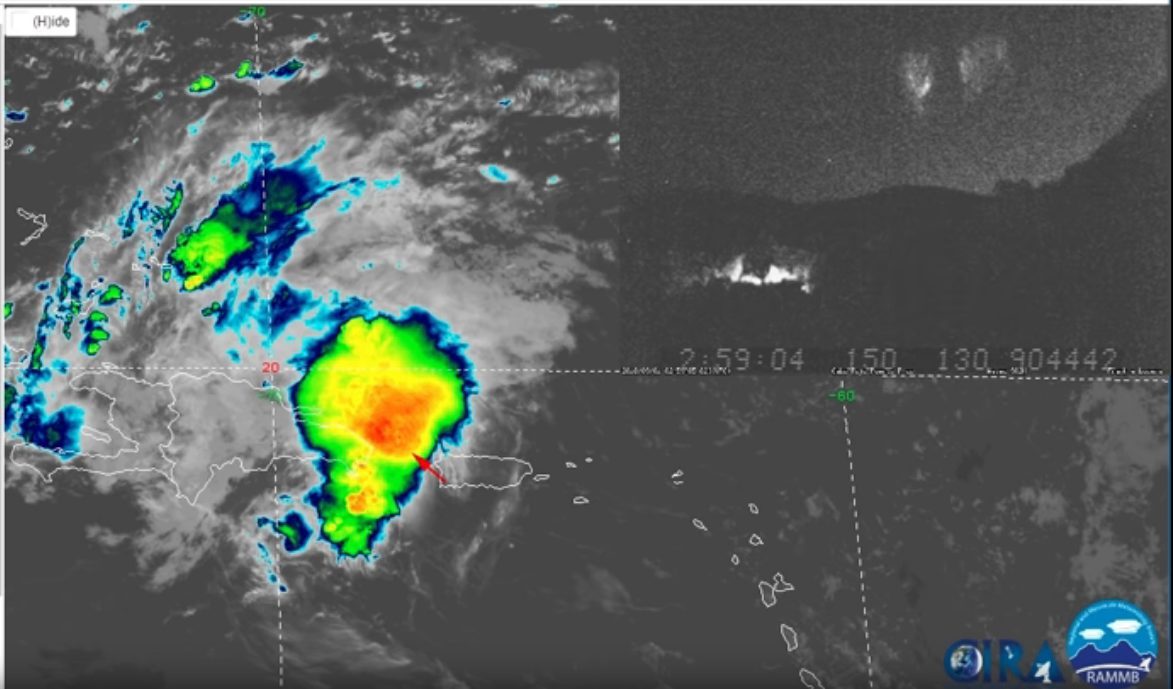
Tropical Storm Gordon has just made landfall in the southeastern USA after forming only days ago in the Caribbean. On Sept. 1st, Frankie Lucena of Puerto Rico trained his cameras on the brewing storm and caught sprites leaping up from the cloudtops:

"These sprites were captured over the tropical wave that later became Tropical Storm Gordon," says Lucena. "At the time, the wave was generating numerous lightning strikes per minute just west of Puerto Rico." In the video, red arrows show the location of his camera.

For years, Lucena has been watching sprites leap up from passing storms. Interestingly, he says, weaker storm systems often produce stronger sprites. "Based on my observations so far, I would say that intensifying tropical waves have the most sprites. Often these systems go on to become hurricanes."

Comment: With the surge in sightings of red sprites in recent years (which are still considered 'rare' by some) it seems more clues as to the electrical nature of our weather is becoming more apparent: For more, check out SOTT radio's: Behind the Headlines: Earth changes in an electric universe: Is climate change really man-made?


Tornado1

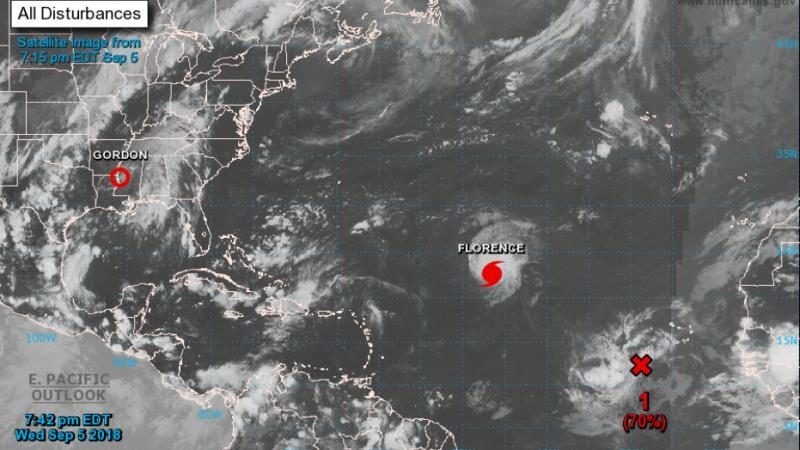
Hurricane Florence upgraded to Category 4 storm as Gordon moves inland

Hurricane Florence
© National Hurricane Center/NOAAThis satellite image shows Hurricane Florence in the North Atlantic Ocean Wednesday night.
Florence, the first major storm of this year's Atlantic hurricane season, was upgraded to a Category 4 storm Wednesday as forecasters warned it could cause "life-threatening" surf and rip current conditions in Bermuda later this week.

According to the National Hurricane Center, Florence's maximum sustained winds are estimated to be 130 miles per hour. The storm is centered about 1,295 miles east-southeast of Bermuda and is moving northwest at 13 mph.

Forecasters have said they expect Florence to weaken somewhat over the next couple of days, but the storm is predicted to remain a powerful hurricane through early next week.

The National Hurricane Center said that the swells generated by Florence would begin to affect Bermuda on Friday. There are no watches or warnings currently in effect for the U.S.

While Florence gathered pace in the Atlantic, the remains of Tropical Depression Gordon spread bands of heavy rain across parts of the South as it swirled over Mississippi.

Cloud Precipitation

Floods leave 76 dead and 75 missing in North Korea

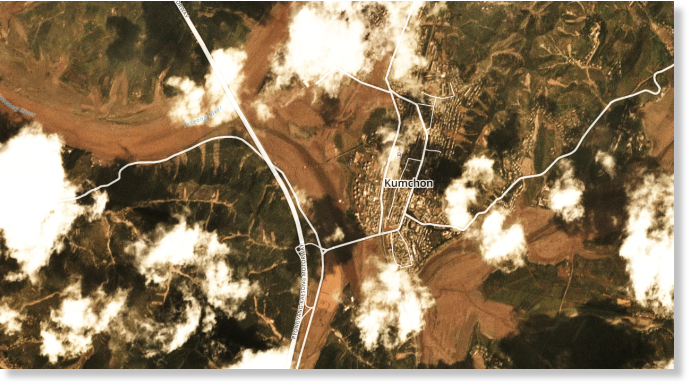
Flooding is evident across the town of Kumchon. Water levels have risen along the Ryesong River
Flooding is evident across the town of Kumchon. Water levels have risen along the Ryesong River and tributaries on either side of the town, reaching homes and covering fields
Severe floods have been affecting North and South Hwanghae provinces in North Korea since late August, 2018, according to the UN. Kangwon province has also been affected according to other reports·

"In both (North and South Hwanghae) provinces there are 76 reported deaths, and 75 people missing. Over 9,000 people are displaced and nearly 1,800 residential buildings destroyed or damaged," UN Office for the Coordination of Humanitarian Affairs (OCHA) said in a report (pdf) of 03 September.

Several parts of the country recorded heavy rain from around 28 August, 2018. Kaesong recorded 298 mm of rain in 24 hours to 29 August, 2018. Nampo recorded 191 mm, Sariwon 121 mm, Ryongyon 135 mm and Pyonggang 189 mm during the same period.

Cloud Precipitation

Flood claims seven in Jigawa, Nigeria

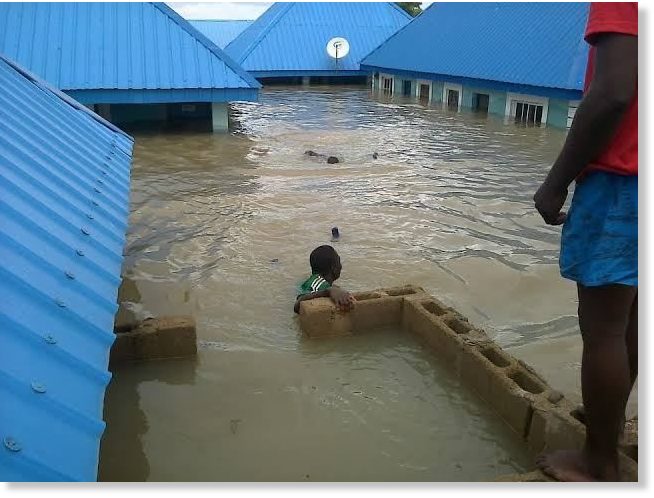
Flooded mini-estate used to illustrate the story
The council chairman, Ringim Local Government Area of Jigawa State, Abdulrashid Ibrahim, said at least seven persons were killed while over 2000 houses and farmlands were destroyed by flood in the state.

The council boss highlighted the incident to journalists on Tuesday in his office at Ringim, after he paid a sympathy visit to the affected communities ravaged by the flood.

He explained that the damage is alarming because the flood is the first of its kind in the area, since 2003.

More than one hundred hectares of farmlands were submerged as the flood damaged farm produces and rendered over forty five thousand farmers and families homeless.


Comment: Elsewhere in Nigeria: Flood kills nine, injures five in Kano