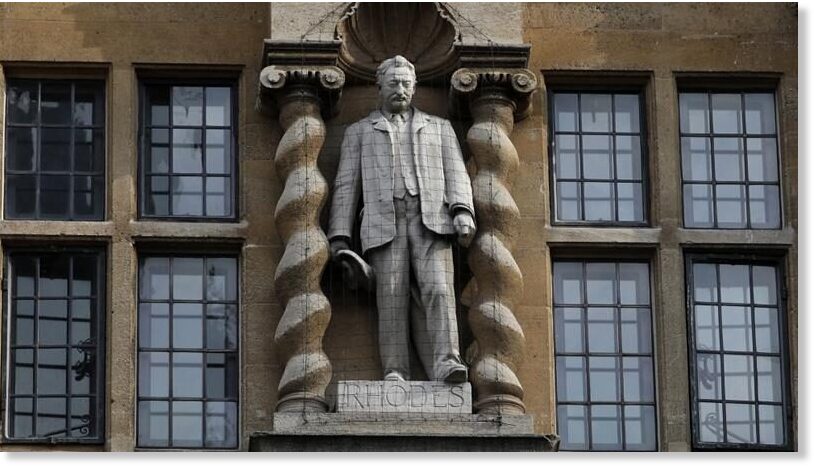
The question of whether a statue of Cecil Rhodes should be taken down has been raging in Britain in recent weeks, fuelled by the George Floyd protests that have swept the world. Personally, I am not a fan of people pulling down statues of historical figures, not because I necessarily like these figures, but because
destroying a statue doesn't change history, and people should not forget history. Living in a world where anything that outrages a minority of people is destroyed, or memory-holed as Orwell would put it, is a world where
people soon forget the lessons of history. Furthermore, where do you draw the line? What historical figures pass the outrage test, and who fails? Who decides who passes or fails - an angry mob? The whole business of destroying historical statues and removing TV shows that were made decades ago quickly becomes an inconsistent mess. In my opinion, what is more important is to learn the lessons of history, and take this knowledge to inform our actions in the future.
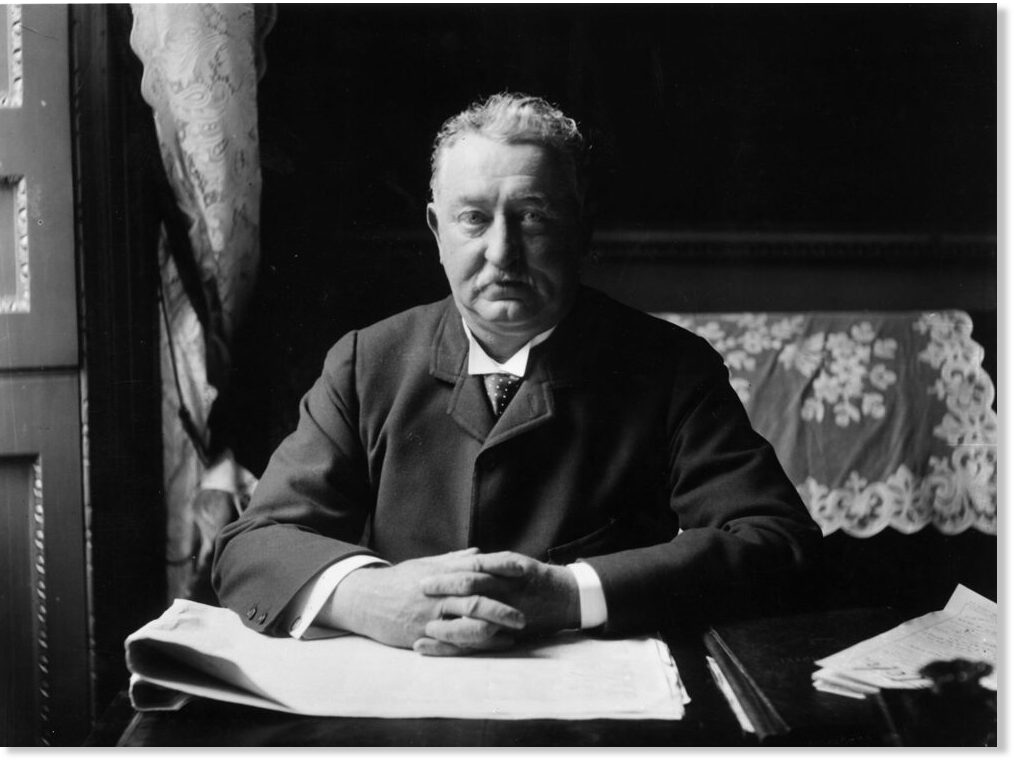
In saying all this, I am by no means making a case for why Rhodes was great. The exact opposite is true, yet there are two sides of Rhodes, both of them imperialist, but both of them not widely understood. One side of Rhodes is relatively well known: he was an
imperialist who was heavily involved in Southern Africa, including serving as the Prime Minister of the Cape Colony between 1890-96; he believed that English people were the
master race; he was a
diamond magnate who founded the company De Beers, where labourers were racially segregated during his time; various
Rhodesian Africans colonies were named after him; he set-up a
Rhodes Scholarship program at Oxford University that the likes of Bill Clinton went through; and
Hitler reportedly admired him.














Comment: See also:
- The Existence of Female Shamans: Solving the Mystery of a 35,000-Year-Old Statue
- 45,000 year old lion statuette found in Denisova Cave may be world's oldest
- The strange 175,000-year-old circle structures built by Neanderthals in French cave
- Earliest known cave art by modern humans found in Indonesia
- Prehistoric cave art study reveals ancient people had complex knowledge of astronomy and were tracking catastrophic meteor showers
And check out SOTT radio's: