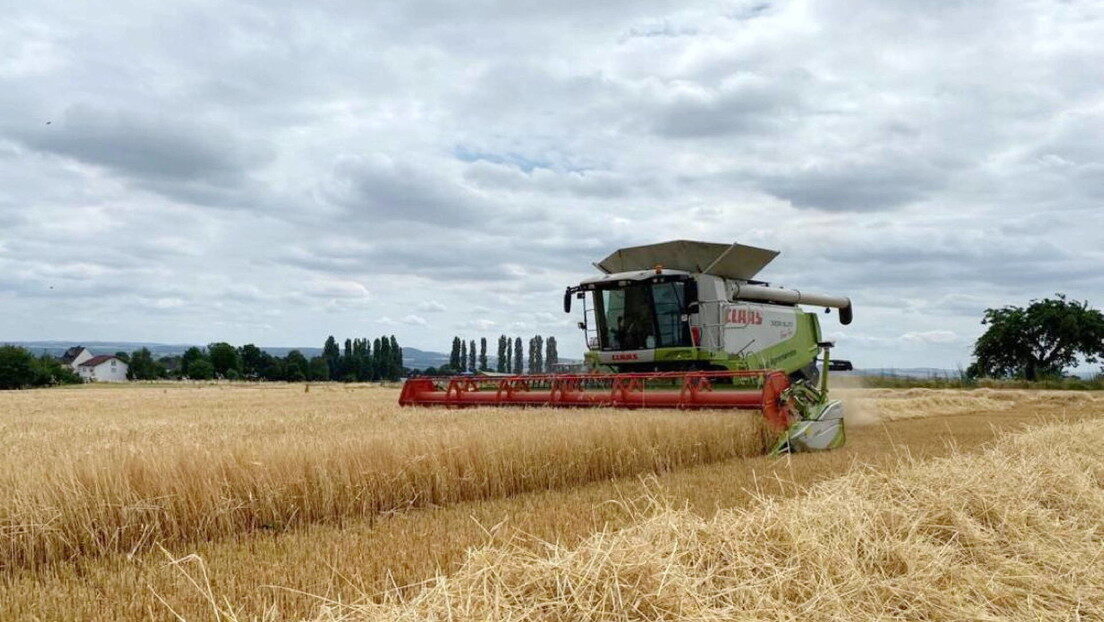
© Augst Eibner / Pressefoto / Legion-Media
Why is the global food market experiencing instability again? Over the last month, the price of rice has significantly increased.
Several Asian countries, which traditionally rely on rice as a staple food, are currently facing a rice crop failure. In July, India, one of the largest global suppliers of rice, banned the export of white rice. This happened shortly after its price increased by a significant 11.5% in the domestic market. This export ban immediately impacted global prices but it's important to understand that the rice situation is just the beginning. In the backdrop of the grain trade disruption in the global market,
wheat and corn prices are also rising. Some experts note that after the grain trade halt, grain prices on world exchanges rose by 8-12% and high prices are likely to persist in the near future.
To compensate for the rice shortage and counter rising food prices,
India is negotiating with Russia for the import of a substantial quantity of wheat, as reported by Reuters. In this case, the procurement could involve 9 million tons of grain or even up to 15 million tons according to other sources. As reported by Reuters, India could receive significant discounts from Russia, ranging from $25 to $40 per ton. It's expected that the agreement will be of an intergovernmental nature, as
procuring such a large quantity of wheat on the open market would significantly inflate its cost, which would not be acceptable for the parties involved. If the grain deal with India does materialize, it could allow Russia to considerably boost its crop exports and potentially lead to the extension of the grain trade corridor in a new format, possibly happening in the near future.





















Comment: And the vultures come circling: