
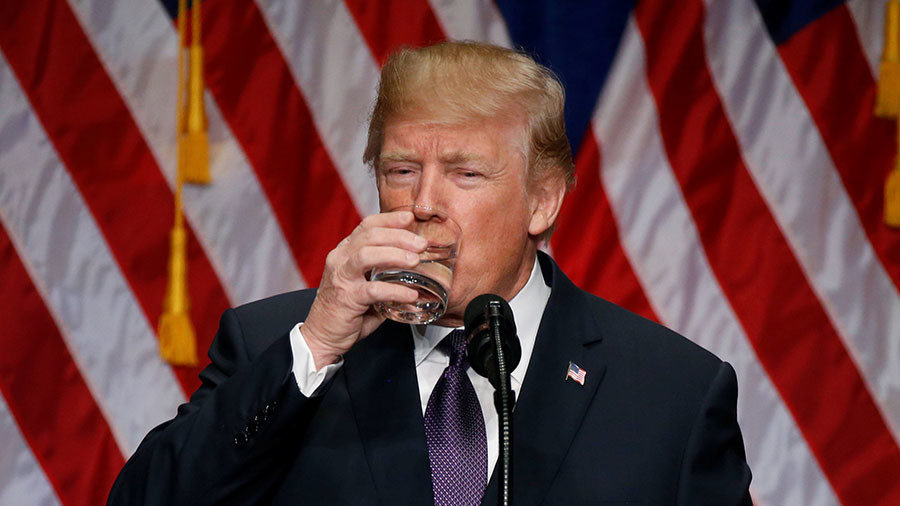
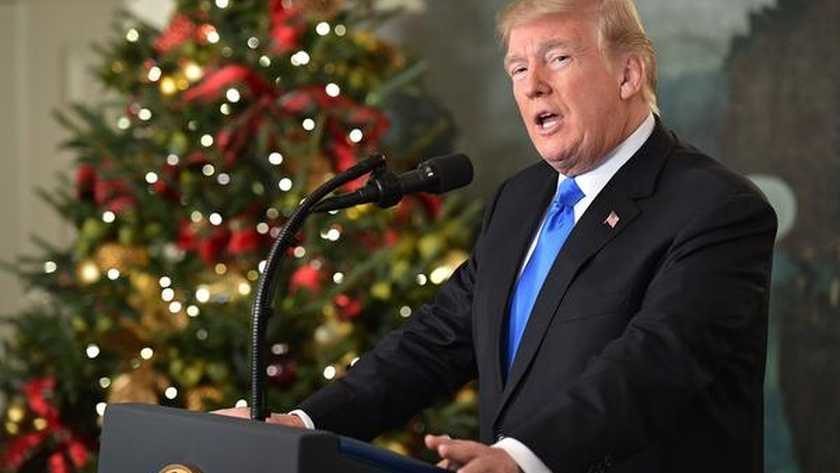
© Joshua Roberts / Reuters
Reagan National Security Strategy was 41 pages, Bush 2002 was 31, Obama 2015 was 29. Trump's is 55 pages: Buffet of priorities without much prioritization.The first "fundamental responsibility" the NSS sets out is:
... to protect the American people, the homeland, and the American way of life ...Micah Zenko points out that does not really do that:
[A]lmost nothing in the ... document deals with the actual domestic threats, risks, and systemic harms that Americans experience every day.While it touches lots of foreign policy issues, the emphasis of the new NSS is more realist than the - on paper - more idealistic version of Obama's imperial strategy. There is less schmoozing about "values" and a new emphasis on "rivals", most importantly China and Russia.
...
The Trump NSS ... mentions terrorists 58 times, and pledges to "defeat jihadist terrorists," just as all previous NSS documents have done since 9/11. Over the past 16-plus years, jihadis have killed 103 Americans within the United States, while right-wing terrorists have killed 68. During that same time period, drug-induced deaths have more than tripled, with over 59,000 Americans dying in 2016, while America's suicide rate has risen by 25 percent, resulting in 43,000 deaths annually.
...
The Trump administration's NSS fails to do what it claims - protect Americans - largely because it does not address the real threats and risks faced by Americans. It might be an "America First" foreign policy, as the president contends, but it does not put Americans themselves first.



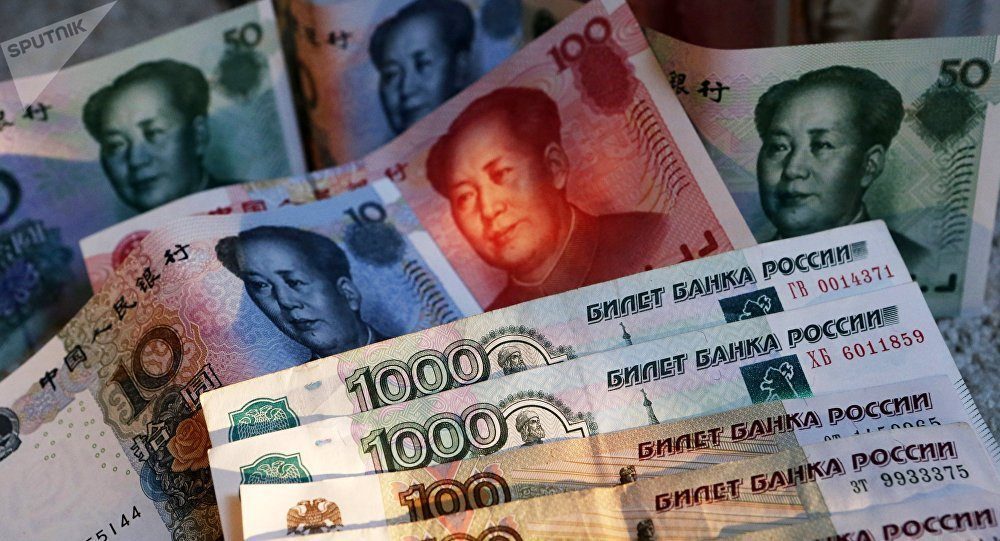







Comment: The "four pillars" as defined by the document: protect the homeland, promote U.S. prosperity, peace through strength, advancing U.S. influence. The biggest threats? Russia and China, who seek to "shape a world antithetical to our interests and values": State Senator Richard Black is skeptical, believing Trump has reversed on his campaign promises and caved in to the war hawks. He told RT: Russian MPs have responded with statements like these: Chinese Foreign Ministry Spokeswoman Hua Chunying responded: And the Kremlin: Overall, there are some slight shifts in the right direction here (seeing Russian and China as rivals, not simply enemy threats, with the camouflaged olive branch of cooperation in some spheres), wrapped in the clothes of "more of the same". American exceptionalism lite, perhaps? See also: