© Photo by Gerry & Bonni | CC BY 2.0
"The situation in Yemen - today, right now, to the population of the country," UN humanitarian chief Mark Lowcock
told Al Jazeera last month, "looks like the apocalypse."
150,000 people are thought to have starved to death in Yemen last year, with one child dying of starvation or preventable diseases
every ten minutes, and another falling into extreme malnutrition
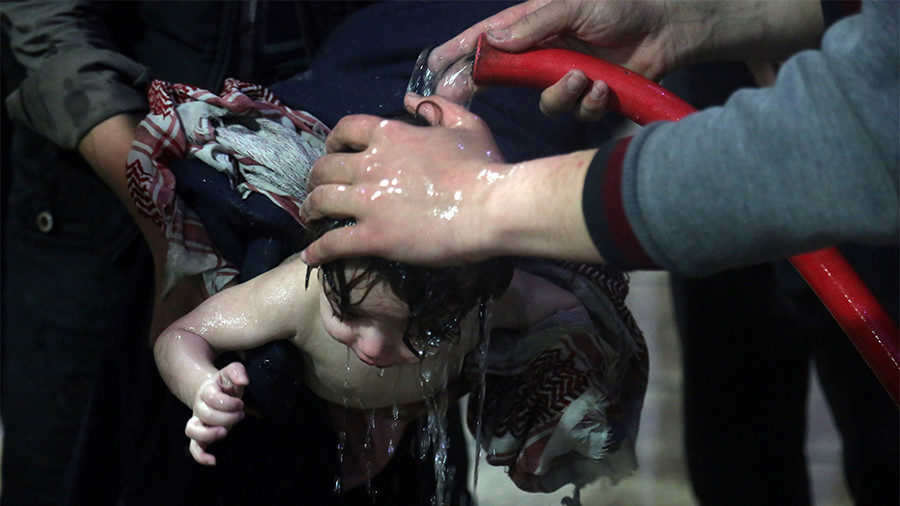
every two minutes. The country is undergoing the world's biggest cholera epidemic since records began with over one million now having contracted the disease, and new a diptheria epidemic "is going to spread like wildfire" according to Lowcock. "Unless the situation changes," he concluded,
"we're going to have the world's worst humanitarian disaster for 50 years".The cause is well known: the Saudi-led coalition's bombardment and blockade of the country,
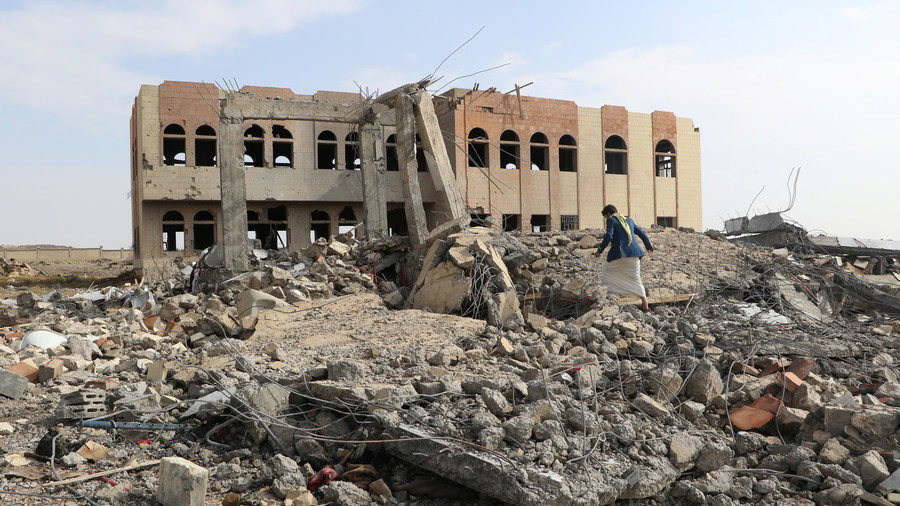
with the full support of the US and UK, has destroyed over 50% of the country's healthcare infrastructure, targeted water desalination plants, decimated transport routes and choked off essential imports, whilst the government all this is supposed to reinstall has
blocked salaries of public sector workers across the majority of the country, leaving rubbish to go uncollected and sewage facilities to fall apart, and creating a public health crisis. A further eight million were cut off from clean water when the Saudi-led coalition blocked
all fuel imports last November, forcing pumping stations to close. Oxfam's country director in Yemen, Shane Stevenson,
commented at the time that "The people of Yemen are already being starved to submission - unless the blockade is lifted quickly they will have their clean water taken away too. Taking clean water from millions of people in a country that is already suffering the world's largest cholera outbreak and on the verge of famine would be an act of utmost barbarity."















Comment: