© Infobae
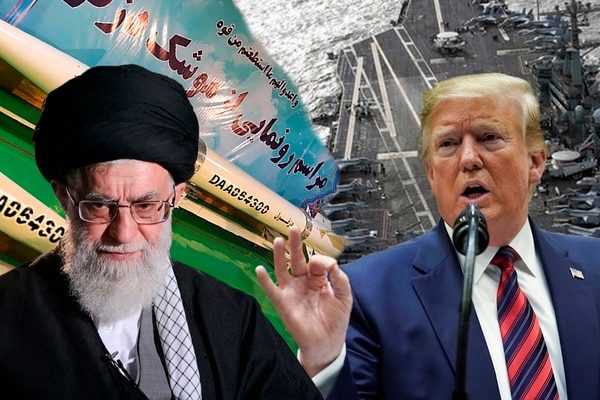
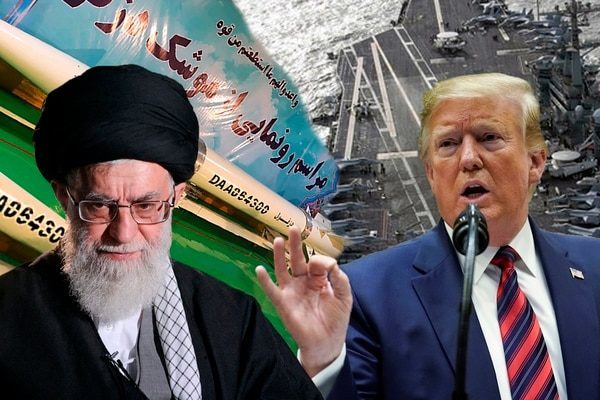
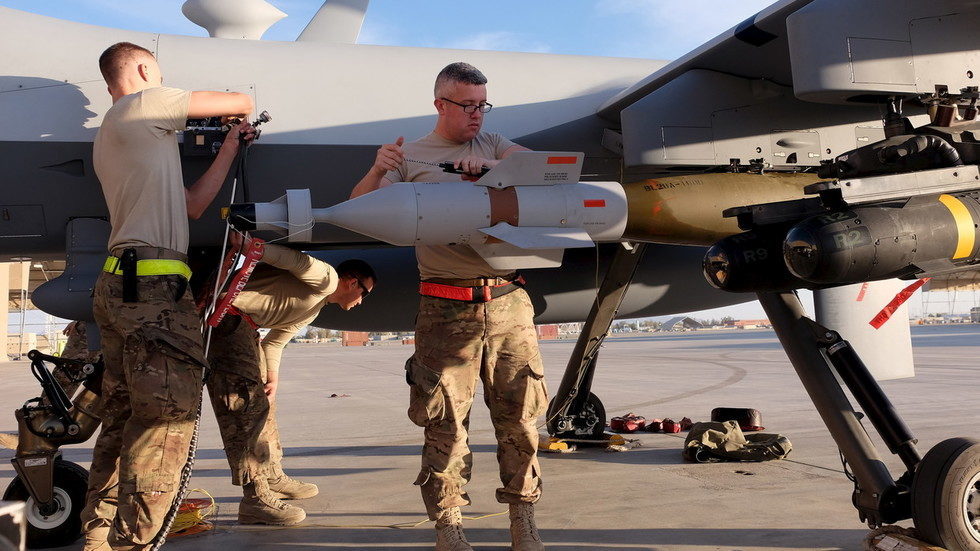
In another of his characteristic messages via Twitter, US President Donald Trump declared his army's capacity to use "obliteration" fire power against Iran if necessary and in case of war between the two countries. Further, Trump's claimed that such a war won't last "very long".
Both statements suggest that the US administration recognizes its incapacity to defeat or face Iran with conventional fire power; hence Trump seems to advert to the possibility of using tactical nuclear bombs against Iran as the US did in
Afghanistan,
Iraq,
Syria and
Lebanon 2006 (uranium based weapons). He also told the press that no exit plan, no Plan B is necessary.
Trump is telling the world that the US believes Iran will surrender in a short time after the beginning of a possible war, showing that history is meaningless to US officials who made the same assumptions in previous wars, particularly in Afghanistan and its attempted regime-change in Syria. But how will Iran respond and what options are left to Iran today?
There is little doubt that Trump's administration is fixated on US military power, rather than exploring all possible scenarios and the prospects for Iranian retaliation.
If Trump goes to war, the Middle East will face dire circumstances that Trump seems not to be taking into account.When President George W. Bush launched "
Operation Enduring Freedom" in 2001 he believed his war in Afghanistan would be a walk in the park; still today, President Trump is
negotiating with Taliban a way to end this ongoing war. Moreover, President Barack Obama and UN officials believed the Syrian President Bashar al-Assad's fall would be a "
matter of time". Trump is saying that he would bomb Iran rather than send troops to occupy any part of Iran, whether on the coast or inland, thus limiting his intervention to destroying a previously agreed-on bank of objectives.














Comment: See also: