Whether you're invested in the stock market or not, you've likely noticed that it's been on a roller coaster lately. The White House and most of the D.C. Beltway crowd tend to equate the performance of the stock market with that of the broader economy. To President Trump's extreme chagrin,
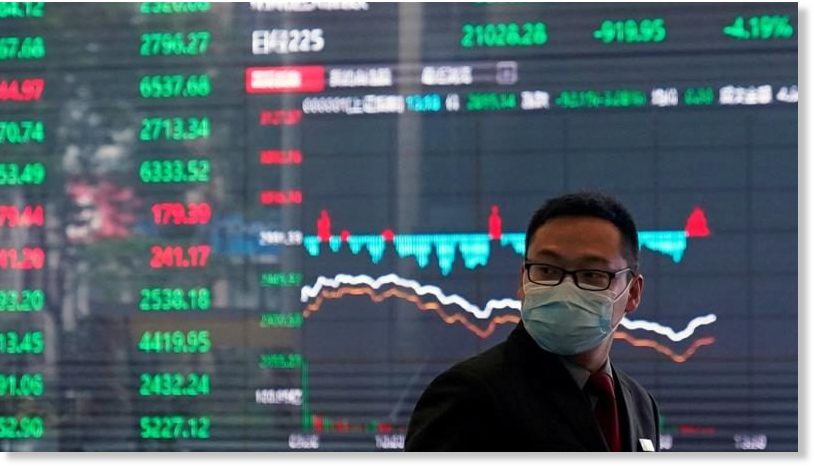
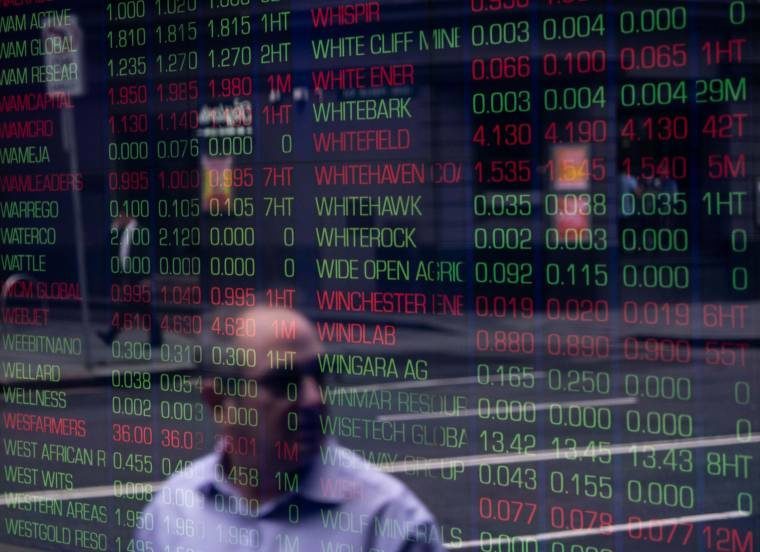
$3.18 trillion in stock market value vaporized during the last week of February. Stock markets around the world also fell dramatically. When all was said and done,
$6 trillion had been at least temporarily erased from them. It was the
worst week for the markets since the financial crisis of 2008 and it would only get worse from there.
In the wake of that, the Federal Reserve kicked into gear. By the first week of March, after high-level coordination among the Group of Seven (G-7) countries and their financial elites, the Fed acted as it largely had since the financial crisis, but with more intensity, giving the markets a brief shot in the arm.
In a move that Wall Street and the White House had clamored for, the Fed
cut the level of interest rates by half a percentage point. The markets reacted by doing exactly the opposite of what the Fed hoped and, after having briefly soared, the Dow then tanked
nearly 1,000 points that day. The next day, it rose 1,173 points (also partially attributed to Wall Street's embrace of Joe Biden's Super Tuesday results), only to plunge again soon after. Then, this Monday, within a few minutes of opening, the markets dropped
more than 7%, triggering a halt in trading.
Dizzy yet? Okay. Let's take a step back.










Comment: Pompeo borrowing a page from the IDF's hasbara handbook. Occupation armies get attacked. Rightfully so, and legally. The Americans are the illegal aggressors here. There's a simple solution: get out, go home.
But then there's this: At least it's a start.