Puppet MastersS


Arrow Up

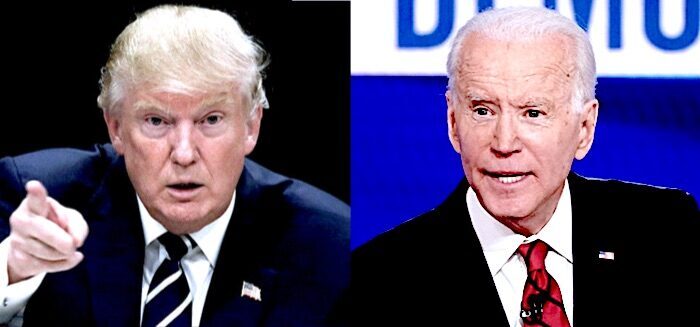
Trends are running in Trump's favor as presidential race tightens

TrumpBiden
© Reuters/Carlo Allegri/Kevin LamarqueUS President Donald Trump • Former VP Joe Biden
The most unusual year and the presidential campaign that accompanies it are now at the top of home stretch. The unconventional conventions soon will be behind us, as the GOP takes its turn this week. The virtual campaign of a basement "Rose Garden strategy" will be forced out into the open. Then the real fun will begin.

Although the return to fall and the start of the final leg of the campaign won't be like anything we've seen before, one thing is still certain: Campaigns are won on the ground.

The blocking and tackling of presidential politics is what it takes to emerge victorious. Nowhere will that be more in evidence than in the key battleground states whose large chunk of electoral votes once again will decide the presidency.

Comment: A lacklustre candidate, with a lackluster campaign, an unlikeable VP pick. It almost seems the Democrats WANT to lose this election. What's up with that? Perhaps the radical progressive wing of the party is playing a longer game? The Squad has certainly been muted in their support with AOC negotiating for platform policies and Tlaib flat out refusing.


X

Facebook blocks group critical of Thai monarchy amid government pressure

facebook censorship
Facebook blocked access within Thailand to a group with 1 million members that has criticised the country's king, but said it was planning a legal challenge to the government's demand that it block the group.

The move comes amid near daily youth-led protests against the government led by the former military junta chief and unprecedented calls for reforms of the monarchy.

The "Royalist Marketplace" group was created in April by Pavin Chachavalpongpun, a self-exiled academic and critic of the monarchy.

On Monday night, the group's page brought up a message: "Access to this group has been restricted within Thailand pursuant to a legal request from the Ministry of Digital Economy and Society."

Broom

France's coronavirus advisor 'fears second wave' in November, Marseille tightens lockdown restrictions

france coronavirus test
© REUTERS/Gonzalo FuentesFILE PHOTO: A health worker, wearing a protective suit and a face mask, administers a nasal swab to a patient at a testing site for the coronavirus disease (COVID-19) installed at the Bassin de la Villette in Paris, France, August 25, 2020.
A second wave of the coronavirus pandemic could hit France in November, a government advisor told local media on Wednesday, as the city of Marseille tightened restrictions to fight the outbreak.

Authorities in Marseille said late on Tuesday that bars and restaurants would have shorter opening times, and they also broadened mandatory mask-wearing in the southern port city between Aug. 26 and Sept. 30.

"There are fears of a second wave in November," Professor Jean-François Delfraissy, who heads the scientific council that advises the government on the pandemic, told France 2 television on Wednesday.

Comment: Meanwhile China is getting back to normal life and an expert in Russia thinks that those in large towns have already achieved herd immunity, rather at odds with the West's relentless fear-mongering and its march towards tyranny.


Arrow Up

Iran, IAEA strike deal on nuclear inspectors' access to sites, JCPOA group reject US calls for sanctions 'snap back'

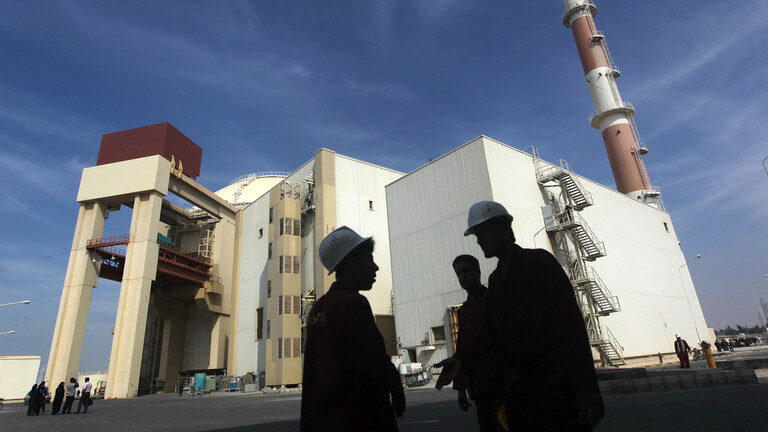
Bushehr
© Reuters / Majid AsgaripourFILE PHOTO: Iranian workers stand in front of Bushehr nuclear power plant, 1,200 km south of Tehran, 2012
The U.N. nuclear watchdog and Iran said on Wednesday they have reached an agreement on granting the International Atomic Energy Agency's inspectors access to two suspected former secret nuclear sites after a months-long standoff.

"Iran is voluntarily providing the IAEA with access to the two locations specified by the IAEA," IAEA chief Rafael Grossi and Iran's nuclear chief Ali Akbar Salehi said in a joint statement. "Dates for the IAEA access and the verification activities have been agreed."

Comment: RT has more details:
"Iran, like before, is ready to cooperate with the IAEA," Iranian President Hassan Rouhani said on state television after the announcement.

While the IAEA hailed the agreement as a "good faith" gesture from the Islamic Republic, the US remains cynical. Secretary of State Mike Pompeo last week accused Iran of violating the terms of the Joint Comprehensive Plan of Action (JCPOA, or Iran Deal) - a 2015 accord between Iran and world powers that guaranteed the country some sanctions relief in exchange for a halt to its nuclear program.

Accusing Iran of "significant non-compliance" with the deal, Pompeo requested that the UN Security Council "snap back" sanctions on Tehran. Iran and the US' allies alike have questioned the legality of Pompeo's request, given that the US abandoned the nuclear deal in 2018.

China, France, Germany, the UK and Russia - who are all signatories to the deal - have said that they do not recognize the US move. On Tuesday, the current UNSC president dismissed the US call on reintroducing sanctions given the lack of consensus for it.
See also: Israel, not Iran, has an illegal nuclear arms program - here are the details


Oil Well

Norway plans to drill for oil in untouched Arctic areas

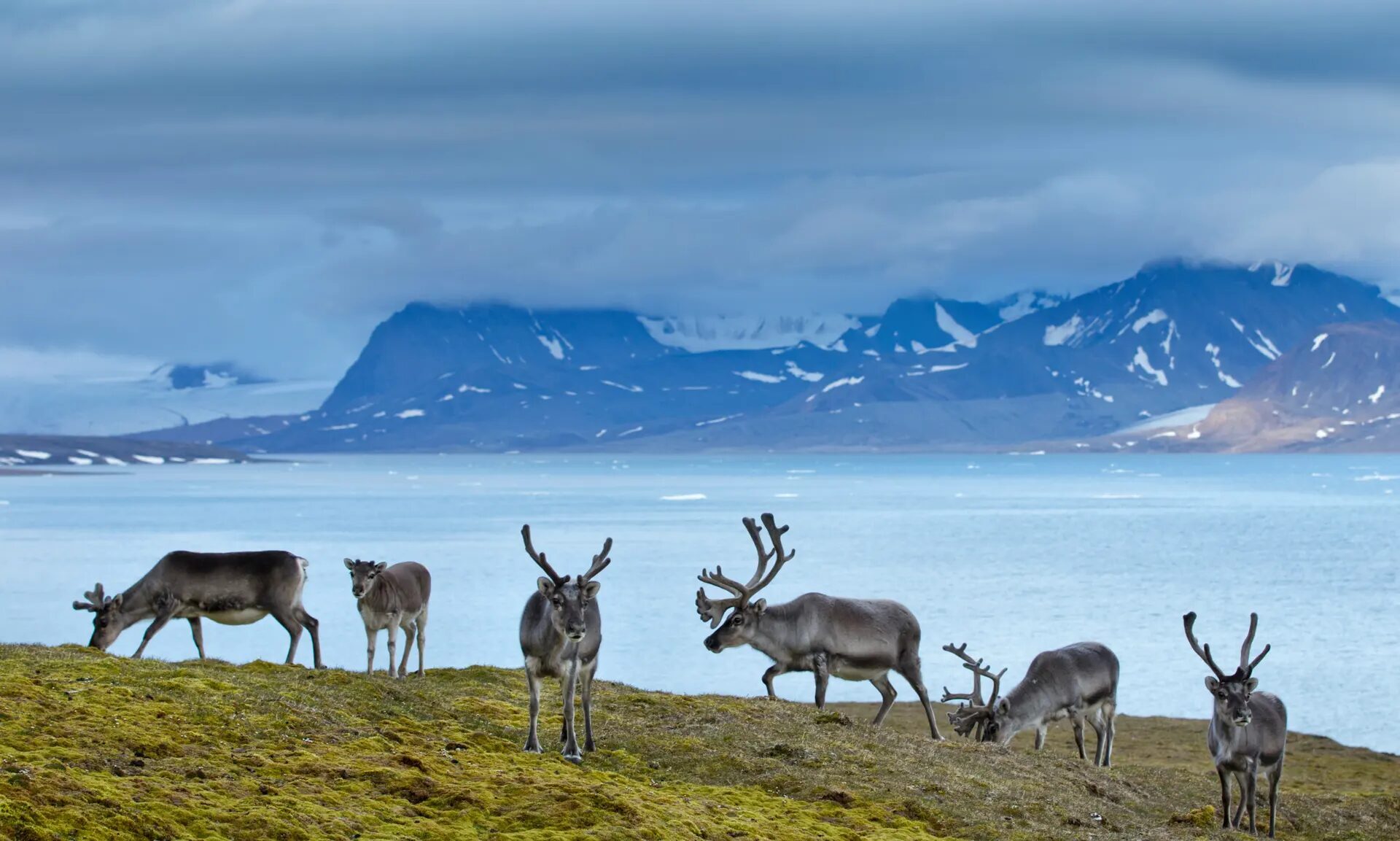
Reindeer
© Paul Souders/Getty ImagesReindeer graze on Spitsbergen, one of the islands that make up the Svalbard archipelago.
Norway is planning to expand oil drilling in previously untouched areas of the Arctic, a move campaigners say threatens the fragile ecosystem and could spark a military standoff with Russia.

A public consultation on the opening up of nine new Norwegian oilfields closed on Wednesday. The areas in question are much further north in the Arctic than the concessions the US president, Donald Trump, announced for Alaska this month.

Experts say the area is regarded as risky both environmentally and in terms of profitability. They also say the decision risks antagonising other nations which are party to the 100-year-old Svalbard treaty, which regulates activity in the area concerned.

Comment: See also:


Alarm Clock

'I don't want people to die': Ukrainian President Zelensky warns Belarus not to repeat Kiev's Maidan

belarus protests Minsk
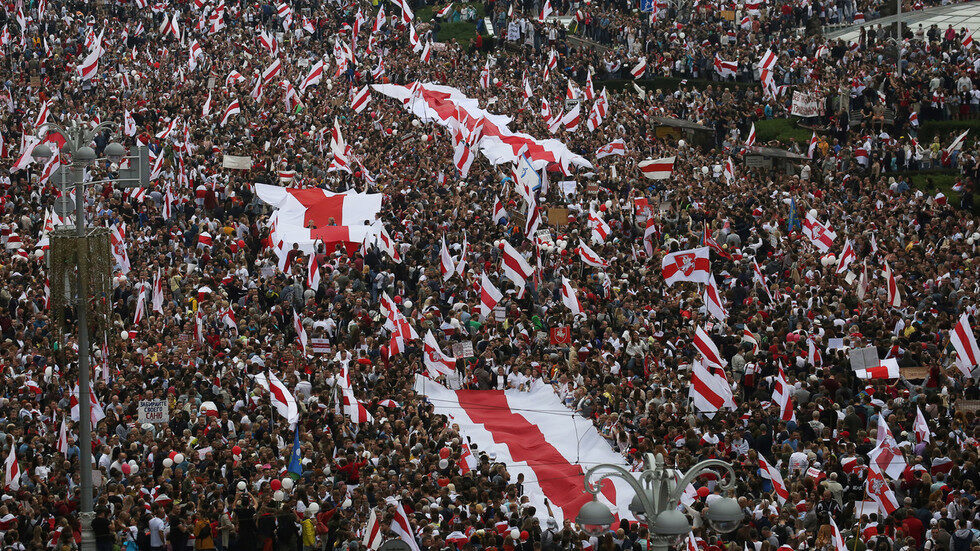
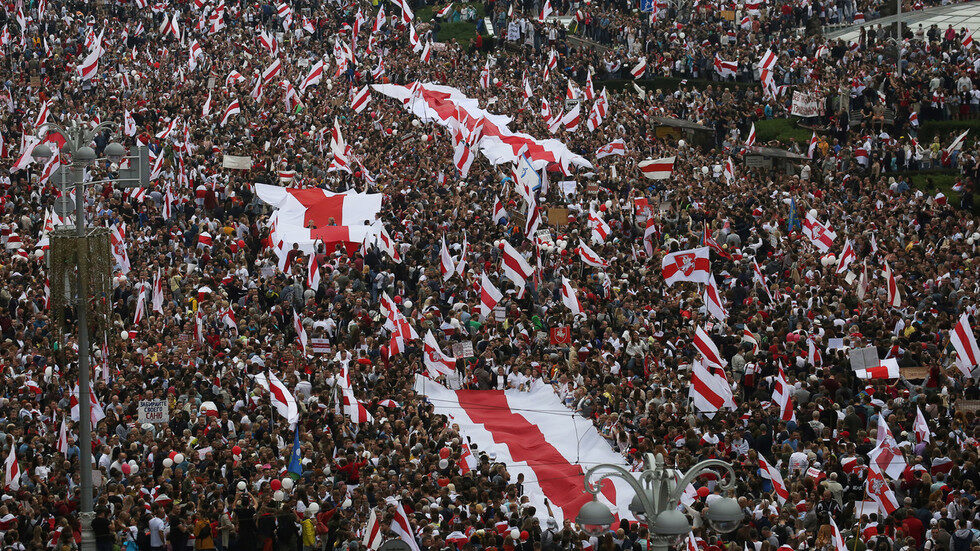
© REUTERS/StringerPeople attend an opposition demonstration to protest against presidential election results at the Independence Square in Minsk, Belarus August 23, 2020.
While international commentators compare the ongoing unrest in Belarus with the 2014 Ukrainian Maidan, President Volodymyr Zelensky hopes his northern neighbour won't follow in Ukraine's footsteps.

"I wouldn't want them to have similar events to what we had in 2014," Zelensky told France-based news network Euronews. "I don't want the Belarusian people to die. I don't want them to be shot dead or to have some other serious bloodshed caused by the government."

In February 2014, Ukrainian President Viktor Yanukovych was removed from office after months of protests on the streets of Kiev. At one point, clashes between demonstrators left over 100 dead and many more injured. Zelensky hopes Belarus will avoid a similar fate.

"I really think that it is not too late for the authorities and society to start a dialogue," he said, clarifying that "Ukraine will not intervene."

Belarus is currently experiencing mass unrest following the disputed results of the August 9 presidential election, deemed by the opposition to have been falsified. Since Election Day, protesters have clashed with police on the streets of the country, with the security forces using tear gas and rubber bullets against citizens. According to the official result, incumbent President Alexander Lukashenko won 80 percent of the vote, while opposition candidate Svetlana Tikhanovskaya came second with 10 percent.

Comment:


Headphones

He did it again? Joe Biden accused of plagiarizing late Canadian politician Jack Layton in DNC speech

jack layton joe biden
Left-wing Canadian activists took to social media to claim that Joe Biden's DNC acceptance speech had been plagiarized.

Judge for yourself. Biden's words were: "For love is more powerful than hate. Hope is more powerful than fear. And light is more powerful than dark."

In his goodbye letter just before his death, Layton wrote the following: "My friends, love is better than anger. Hope is better than fear. Optimism is better than despair."

Comment: You'd think Biden would have learned from the last time he was caught plagiarizing a speech from a politician from another country. In the age of the internet, he's even more likely to get caught. Surely the guy can afford some better speech writers.

See also:


Brick Wall

China firm over detention of 2 Canadians after foreign ministers meet

canada china foreign ministers
© REUTERS/Yara NardiChina's State Councillor Wang Yi meets with Canada's Foreign Minister Francois-Philippe Champagne in Rome, Italy, August 25, 2020.
China said Wednesday it remains firm in its insistence that Canada make the first move to end the detention of two Canadians, following a meeting of the two countries' foreign ministers.

Former Canadian diplomat Michael Kovrig and Canadian entrepreneur Michael Spavor have been held in China on unspecified national security charges for more than 620 days in apparent retaliation for Canada's late 2018 arrest of Meng Wanzhou, an executive at tech giant Huawei and the daughter of the company's founder.

Meng was detained at Vancouver's airport at the request of the United States, which wants her extradited to face fraud charges over the company's dealings with Iran. Her arrest enraged Beijing, which calls it a political move aimed at constraining China's rise as a global technology power.

Eye 1

It's unrealistic to speculate that the Kremlin wanted to kill Navalny

navalny 1
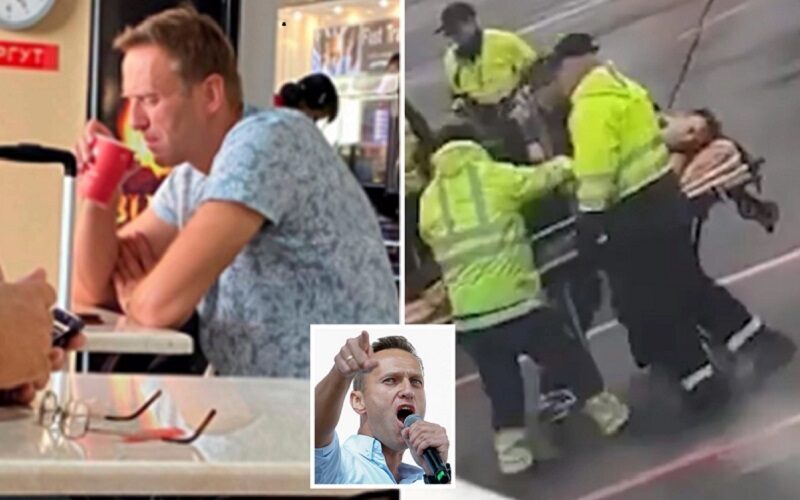
The rapid onset of a mysterious illness that almost killed Kremlin critic Alexei Navalny last week and ultimately led to his emergency airlifting to Germany for treatment while in a medically induced coma immediately prompted widespread speculation from the Western media that the authorities had tried to poison him, but it's unrealistic to imagine such a scenario since there are several compelling reasons why the government wouldn't ever want to harm him as well as some relevant arguments for why the West wants their targeted audience across the world to think otherwise.

The Mysterious Illness


The Western media has been captivated by the curious case of Kremlin critic Alexei Navalny after the rapid onset of a mysterious illness almost killed him while he was mid-flight from Siberia to Moscow to face charges of slander after calling a World War II veteran a "traitor" earlier this summer for supporting amendments to the constitution. Navalny was ultimately airlifted to Germany for treatment while in a medically induced coma at his wife's request. Private individuals footed the bill, and the authorities didn't object to his departure. Prior to that, the Russian doctors shared their preliminary diagnosis that his illness was caused by a "metabolic disorder" which might have been triggered by a "sharp drop in blood sugar". They also confirmed that "no poisons or traces of poison have been found in his system", which is why a law enforcement source told TASS that "There are no grounds for opening a criminal case, no crime elements have been identified." An industrial chemical was found on his hands and clothes during testing, but the Omsk Regional Office of the Interior Ministry is of the belief that "it may have appeared after contact with plastic glass".

Comment: See also:


Eye 2

Payouts for Iraqi's abused by British troops 'too many to count'- UK government

Baghdad
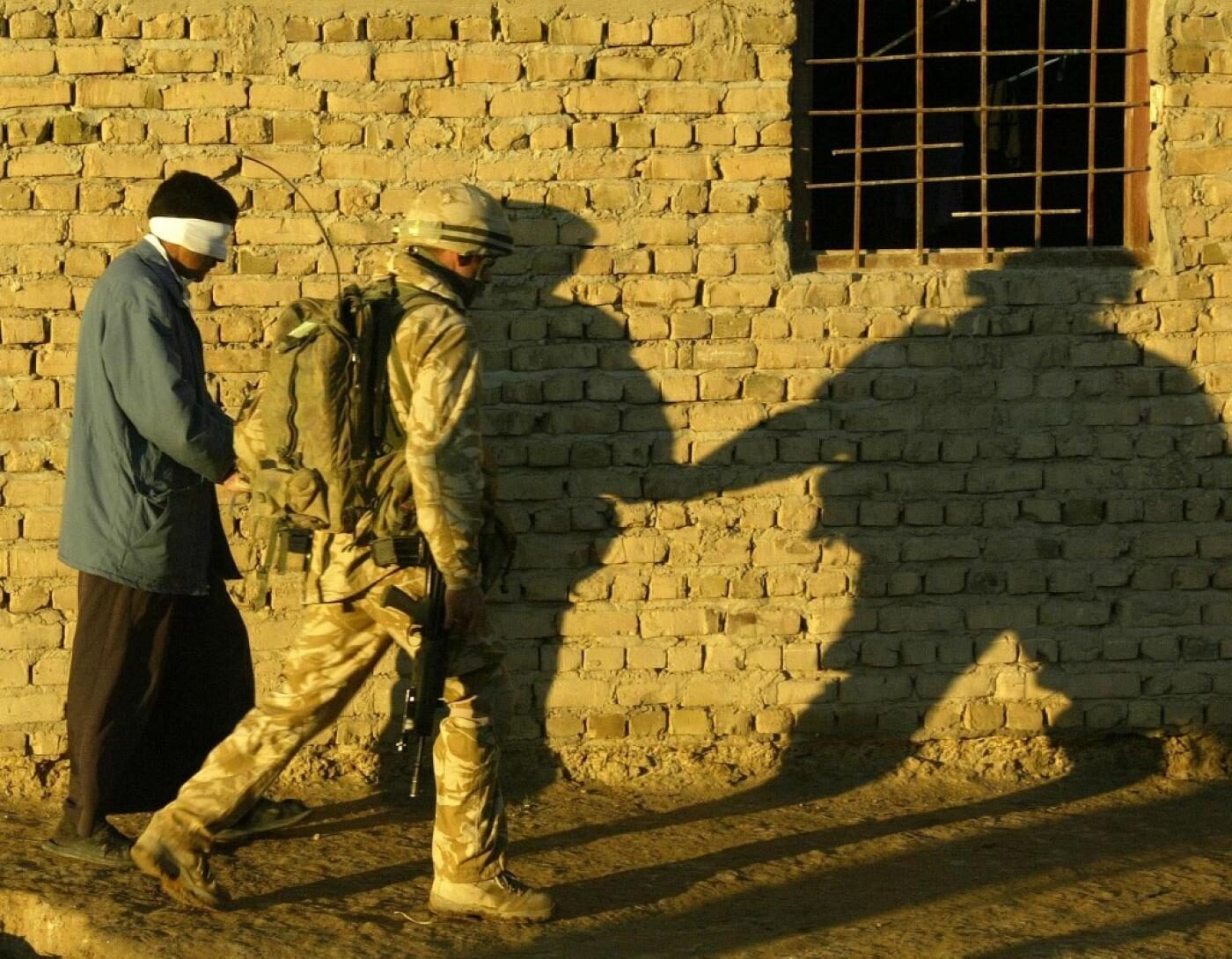
© AFPAn Iraqi prisoner is led by a British soldier during a raid in November 2004 in a village on the east bank of the Euphrates, south of Baghdad
The UK government has received so many complaints from Iraqis who were unlawfully detained and allegedly mistreated by British troops that its defence ministry says it is unable to say how many millions of pounds have been paid to settle the claims.

Ministry of Defence (MoD) officials in London say they can provide approximate figures for the thousands of Iraqis who have lodged complaints against British forces involved in the 2003 US-led invasion and subsequent occupation of Iraq.

However, they maintain that they cannot disclose how much UK taxpayers' money has been spent settling their claims, saying that it would take weeks for civil servants to collate the figure.

The department is claiming that it is unable to disclose the sums paid at a time when the UK parliament is about to debate a deeply controversial law which would introduce a partial amnesty for the country's service personnel who have committed serious crimes - including murder and torture - while serving outside the country.

Comment: See also: