Puppet MastersS


Popcorn

US unlikely to stop using Russian nuclear materials, economic effects would be disastrous — expert

Lightbulb
© CC0 / Unsplash
The United States is unlikely to stop using Russian nuclear materials, because a decision to the contrary would entail grave economic effects for the whole country, the director of the non-profit organization ANO Atominfo-Center, editor-in-chief of the Atominfo.ru media resource, Alexander Uvarov, told TASS.

"Figuratively speaking, Russian uranium-generated electricity keeps alight one in 20 electric bulbs in the US. A decision to stop using Russian raw materials is extremely improbable. They are perfectly aware that such a step would bring about disastrous effects on the whole economy," the expert said.

Uvarov said that Hungary had already demonstrated such a balanced attitude. Prime Minister Viktor Orban said the EU sanctions would not harm Hungary's cooperation under the Paks-2 project - a yet-to-be built nuclear power plant equipped with Russia-designed pressurized water 1,200-megawatt reactors VVER-1200.

Comment: What the expert seems to miss, and that the lockdowns proved beyond a doubt, is that the Build Back Better brigade have more nefarious plans in mind for the planet, and they do in fact want the economy to implode, at some point, as a means to facilitate their Great Reset.
What is also quite clear from the blatant market manipulation is that they want it to be a relatively controlled demolition whereby they emerge on top.

However, as we're seeing with the West's feeble economic warfare against Russia, wishful thinking seems to be blinding them as to just how weak their position is and that with every passing day their death grip seems to be loosening: Russia prepares to nationalize foreign companies as West wages full scale economic war & defaults on its financial obligations


Easter Egg

SOTT Focus: Russia's Existential Reasons For Intervening in Ukraine

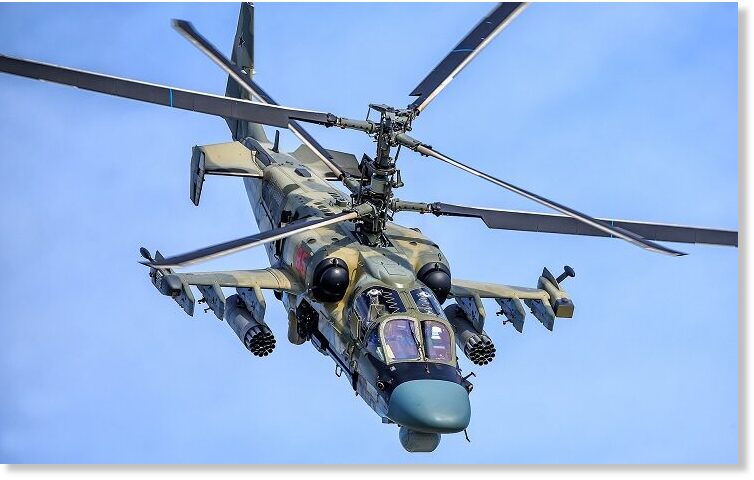
military helicopter
The decision by the Russian President to order military action in neighboring Ukraine beginning February 24, 2022 has shocked many, myself included. The question at this point almost two weeks into military action by Russian and other forces inside Ukraine, is what pushed Russia into what Western media portrays as unilateral unwarranted war of aggression. A public threat by Ukrainian president and comedian Volodymyr Zelenskyy on February 19, during meetings with top-level NATO officials and others in the annual Munich Security Conference, provides a largely-ignored clue to Moscow actions. In addition more recent reports of numerous US Pentagon bioweapons labs across Ukraine add to the background threats. Did Moscow believe Russia faced a literal do-or-die reality?

Some essential history

The current conflict in Ukraine has its seeds in the 1990s and the US-backed collapse of the Soviet Union. During high-level Two Plus Four Treaty talks pertaining to Germany's reunification in 1990, talks between US Secretary of State James Baker III and then-Soviet leader Mikhail Gorbachev, along with France, the UK and the West German government, over unification of Germany, Baker gave a verbal promise that NATO would not move "one inch" to the East to threaten former Soviet territories, in return for the USSR allowing German reunification within NATO.

For years Washington has lied about the exchange, as they moved one after the other former Warsaw Pact countries including Poland, Czech Republic, Romania, Hungary, Baltic States into NATO and closer to striking distance to Russia. Recently Putin cited the 1990 Baker agreement to justify Russian demands that NATO and Washington give binding legal assurances that Ukraine would never be admitted into the NATO alliance. Washington until now has categorically refused to do so.

Comment: This is in line with our thoughts on the matter. Russia went into Ukraine now because it had to. It was no whimsical decision, no 'conquest of fancy'. Putin did it because right action was needed now. Whether that right action has indirect positive effects, such as derailing the global bio-security police state agenda, or the overlapping 'greening of the economy' agenda, remains to be seen. His intentions towards those are unstated, but it's not difficult to deduce his real views on those topics given his publicly expressed disdain for gender-bender ideology.

What is clear to us now is that Putin was only ever paying 'the pandemic' lip service. Lukashenko of Belarus was courageous to call it for what is was - complete BS to clothe otherwise naked globalist greed - but Putin opted instead to lay low in 2020 because, as we see now, he had other battles he had to fight. As for Putin's apparent embrace of the 'green' agenda, it's clear that he is also merely paying it lip service. He has said on numerous occasions over the years that he thinks climate change is natural, cyclical, and regulated by planetary and cosmic forces.


Calendar

February 23, 2022: A bad day for the managerial class globalist faction

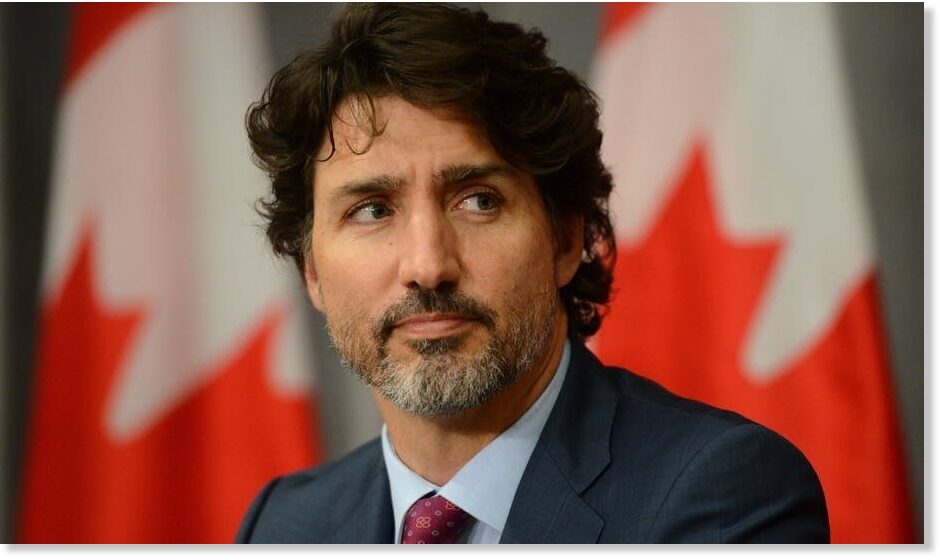
Trudeau
Today I'll follow up on the point I was emphasizing in my last post and even tie in the topic that I explicitly chose to pass over in the process. Last week I warned about what we might call the monolith fallacy: misconstruing the ruling class as all powerful. A popular version of this fallacy is the now widely referenced agenda of the World Economic Forum (WEF). In some circles this organization, also commonly referred to as Davos, is attributed vast powers of conspiracy and control. This is understandable when its leader is captured on video crowing about how they have infiltrated governments around the world with their own disciples. And Canada, so much in the news until recently, was particularly singled out as a success story in government capture. Of course, they wouldn't use the word "capture."

In the most extreme version of the WEF story, a host of calamities from the pandemic to the apparent fiscal vandalism visited upon countries across the Western world, even before the pandemic, dramatically accelerated ostensibly in response to it, have been orchestrated by the WEF toward achieving its goals. And these goals involve a Great Reset, which will produce a new economic and social order, built around a one world governance structure, a single (digital) currency, and an ideology imposed on the world through ESG scores assigned to anyone who wants access to capital investment. We will all embrace a simpler life, resembling universal Airbnb-ism, devoid of toxic practices like meat production and consumption. In the now famous slogans, you'll own nothing and be happy, living in your pod eating bugs.

Comment: For the second installment, see: The great awakening vs managerial liberalism: Thoughts on Dugin and the Russian incursion


Target

Russian airstrikes destroy 107 military sites in western Ukraine in 24 hours

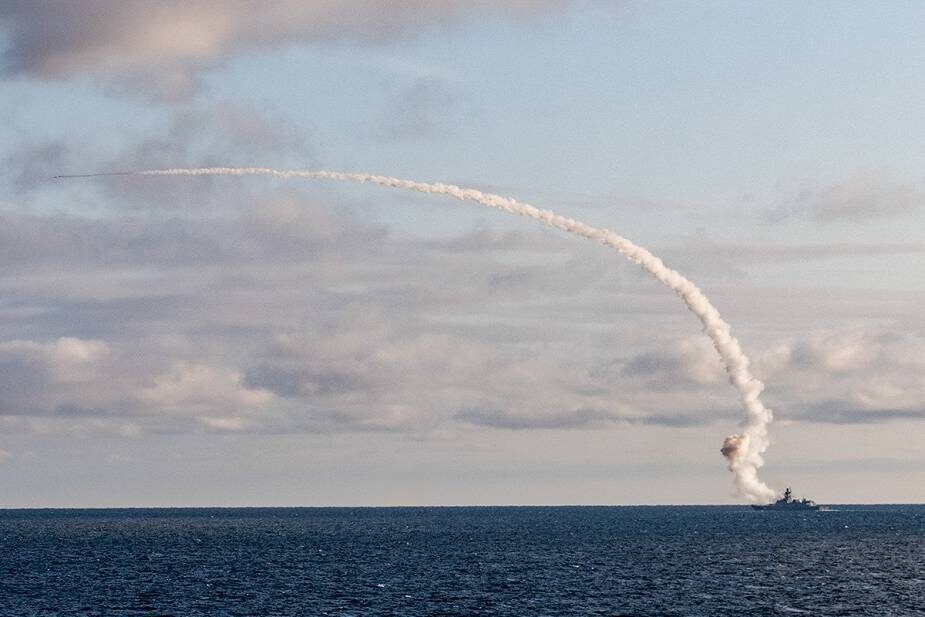
Kalibr missile russia warship
© MOD Russia via Global Look PressFILE PHOTO. Launch of a Kalibr cruise missile by a Russian warship during a drill.
On Friday morning, Russia carried out strikes on military infrastructure sites in western Ukraine using long-range precision weapons, the Defense Ministry said in a briefing. The strikes destroyed airfields near the cities of Lutsk and Ivano-Frankivsk, the military claimed.

The attacks were confirmed by regional authorities in both cities, which are located in the southwest and northwest of Ukraine, respectively.

Over the course of 24 hours, Russian warplanes destroyed 107 military sites of the Ukrainian Armed Forces, Defense Ministry spokesman Major General Igor Konashenkov said. This increased the total number of military infrastructure targets reported by Russia as destroyed during the campaign to 3,213.


Comment: This includes the US-funded bioweapons sites, many close to Ukraine's border with Russia, that held materials banned under international law: Malone on US BIO Weapon Research: Are We the Good Guys or the Bad Guys Here?


Comment: Also check out SOTT radio's: NewsReal: Crossing the Rubicon


Bizarro Earth

Bennett advises Zelensky to surrender to Russia, Zelensky refuses

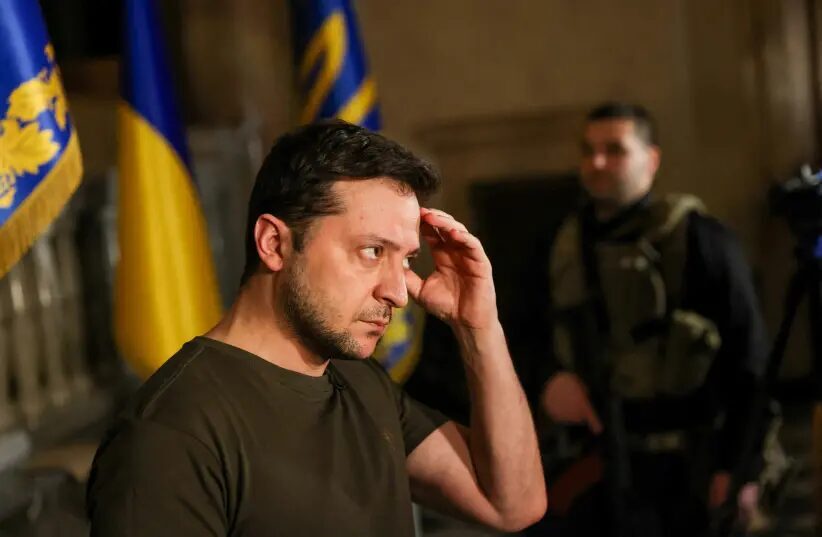
Ukrainian President Volodymyr Zelensky
© UMIT BEKTAS/REUTERSUkrainian President Volodymyr Zelensky talks during an interview with Reuters in Kyiv, Ukraine, March 1, 2022.
Vladimir Putin made an offer to end the Russian war with Ukraine, but it includes many Ukrainian sacrifices.

Prime Minister Naftali Bennett told Ukrainian President Volodymyr Zelensky that he recommends Ukraine take the offer made by Russian President Vladimir Putin to end the war - which includes many Ukrainian sacrifices - in a phone call on Tuesday, according to an official in Ukraine's government.

According to the official, Zelensky did not take Bennett's advice.

The source claimed that the phone call was initiated by Bennett.
"If I were you, I would think about the lives of my people and take the offer," Bennett reportedly said.
Zelensky's response was short: "I hear you," he said.

According to the report, the Ukrainian president and his people did not like the advice.
"Bennett told us to surrender," said the official. "We have no intention of doing so. We know Putin's offer is only the beginning."

Comment: See also:


Binoculars

DHS took part in mass surveillance of money transfers, senator says

dhs surveillance
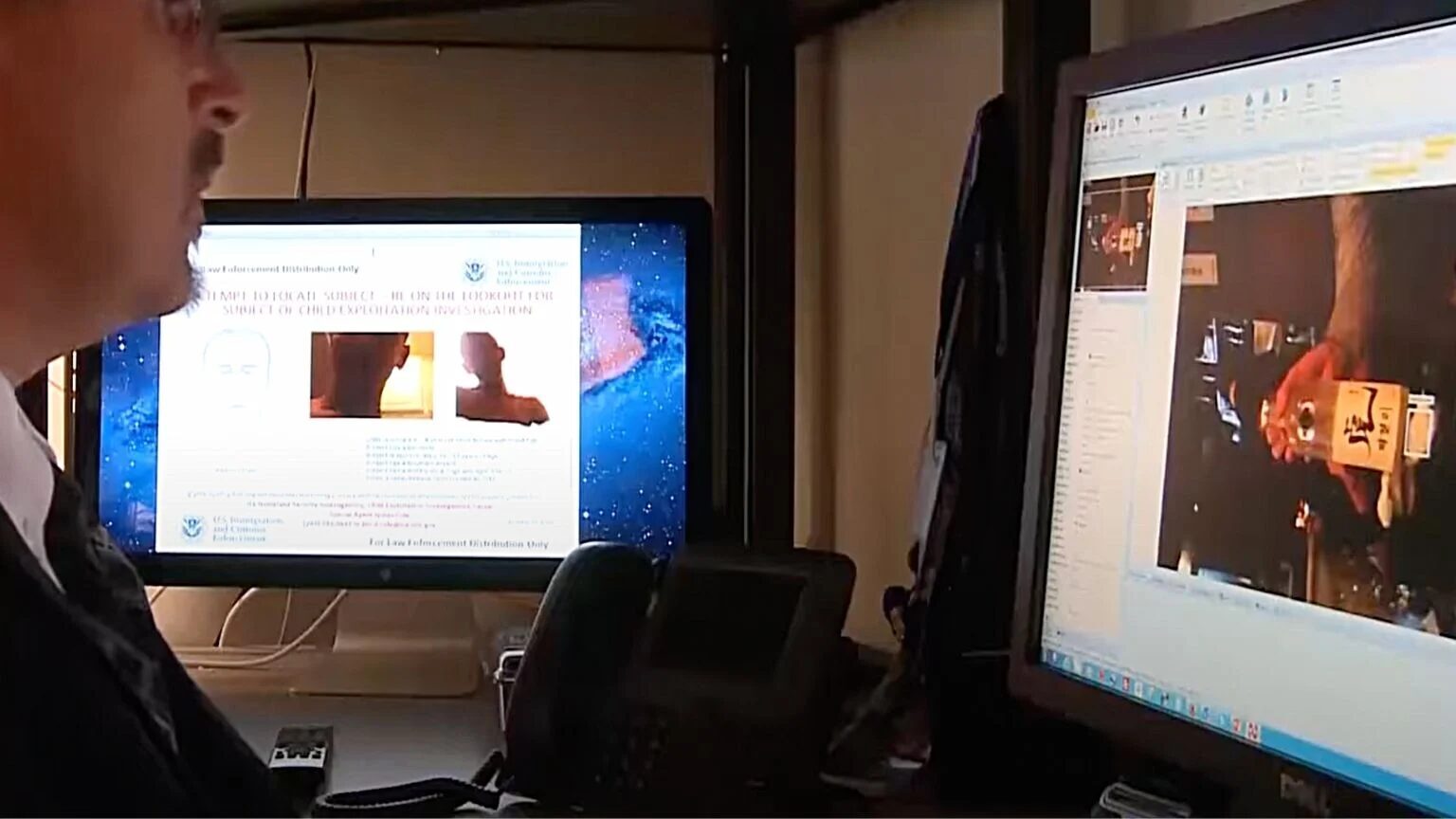
The Homeland Security Investigations (HSI) unit of the Department of Homeland Security (DHS) took part in a secret surveillance program that collected money-transfer records of US citizens, without a warrant, according to Sen. Ron Wyden and government officials. The HSI is the investigative unit in the DHS responsible for transnational threats and crimes.

The program, overseen by the Immigration and Customs Enforcement (ICE) collected data on international and domestic money transfers in excess of $500 from the states of Texas, New Mexico, California, and Arizona. The program also collected transfers to and from Mexico that were in excess of $500.

This is the first time Congress was made aware of the program, according to Wyden's letter to the DHS Inspector General, which was obtained by The Wall Street Journal.

Newspaper

South Korean opposition conservative Yoon Suk-yeol wins presidential election

Yoon Suk-yeol South Korea
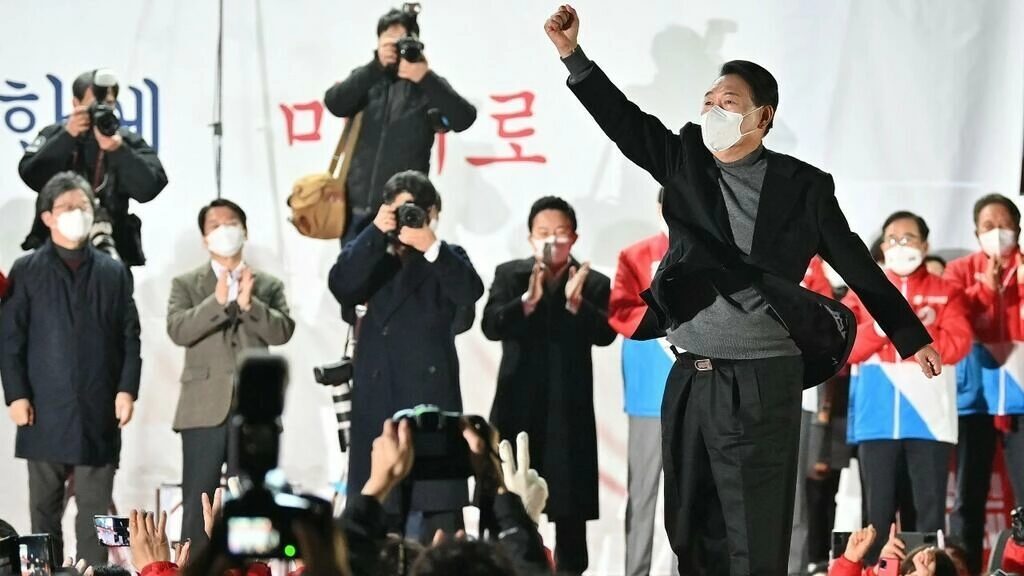
© Jung Yeon-je, AFPSouth Korean presidential candidate Yoon Suk-yeol (R) of the main opposition People Power Party at a campaign rally in Seoul on March 8, 2022.
South Korean opposition candidate Yoon Suk-yeol was elected president in Wednesday's election, with ruling party candidate Lee Jae-myung conceding defeat and congratulating his opponent.

With more than 95% of the votes counted and Yoon leading, Lee spoke to reporters at Democratic Party headquarters early on Thursday and conceded he had fallen short.

The unusually bitter election campaign was marred by scandals and smears, but the policy stakes are high for the country of 52 million.

Comment: See also:


Black Magic

Best of the Web: US tried to fund bio-labs in Ukraine as early as 2005, records show

microscope
Moscow has unveiled evidence that Kiev ordered several bio laboratories, which received US funding, to destroy samples of dangerous pathogens. Russia's Defence Ministry says it has proof that these bio labs were working on biological weapons targeting certain ethnicities. Both Kiev and Washington deny it.

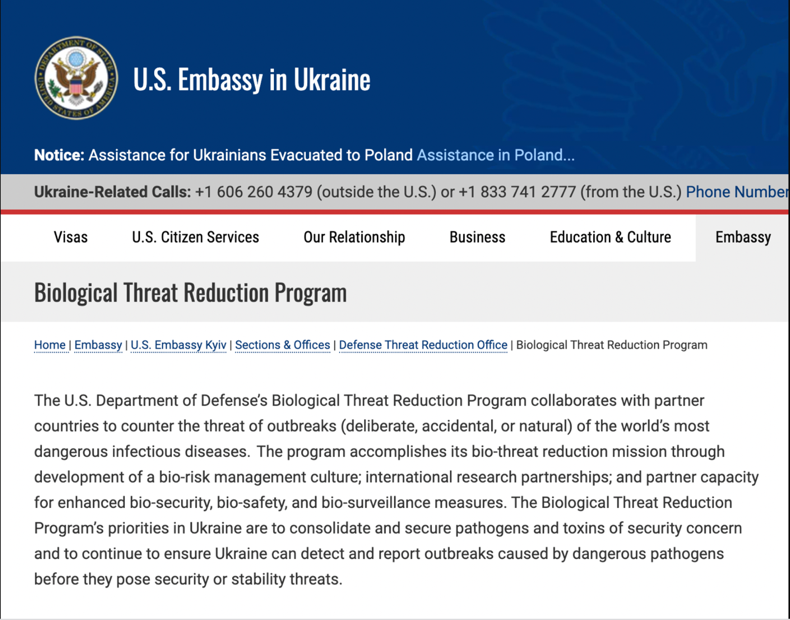
The US government has been dodging questions for some time about the fact that it funded biolabs in Ukraine, until Under-Secretary of State for Political Affairs, Victoria Nuland, admitted on 8 March that Washington did provide assistance to these laboratories (but still avoided confirming accusations by Russia that Kiev developed biological weapons there). It is not clear what took the US so long - especially since it knew perfectly well about at least one such lab for more than a decade.

Thanks to the work of the US Armed Forces' Counterproliferation Center, a media clipping was preserved from 17 June 2010, telling how then-US Senator Richard Lugar "applauded the opening of the Interim Central Reference Laboratory (ICRL) in Odessa, Ukraine".

Biohazard

Best of the Web: Robert Malone: Ukraine Biolab Watchtower

biological threat reduction
"No reason to get excited"
The thief, he kindly spoke
"There are many here among us
Who feel that life is but a joke
But you and I, we've been through that
And this is not our fate
So let us not talk falsely now
The hour is getting late"
Buckle up. This is going to be a long one, but I think the topic deserves a deep dive.

What a mess. Are there any grownups in the house? This is what happens in a world in which no one trusts anyone anymore, integrity is treated as an obsolete concept, both information and legacy media have become weaponized to such an extent that what passes for official reality becomes just a funhouse hall of mirrors, and the experience, intellect and maturity of those entrusted to manage these matters is just not up to the task.

Yesterday I published a substack article titled "All Along the Watchtower", which posed the question "Would the Russian invasion of Ukraine be justified if it were for biodefense?".

Since then, we have had a flood of new information drop:

Comment: The U.S. government gave this non-denial denial on Wednesday:
"The United States does not own or operate any chemical or biological laboratories in Ukraine, it is in full compliance with its obligations under the Chemical Weapons Convention and Biological Weapons Convention, and it does not develop or possess such weapons anywhere," US State Department spokesperson Ned Price said.
Weapons are only weapons when they are defined as such. Otherwise they are "research materials" or some other such euphemism. The U.S. obviously and provably has such weapons. They were used in the 2001 anthrax attacks, for example.

The only mainstream outlet covering this is Fox's Tucker Carlson:

Russia is asking for a UN Security Council meeting over the Ukrainian biolabs.


Nuke

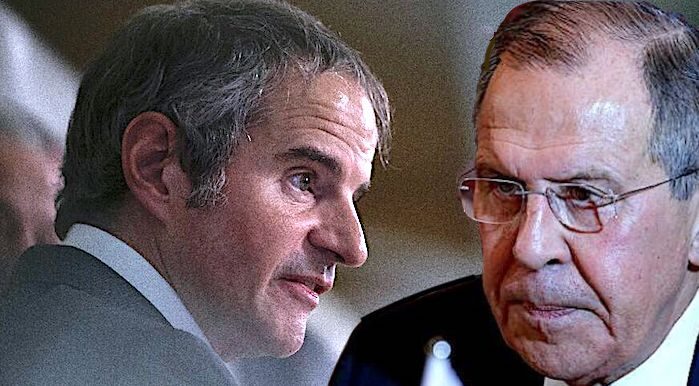
Lavrov meets UN nuclear watchdog boss amid Ukraine crisis

Lavrov/Grossi
© Reuters/R. Orlowski/Al-Monitor/KJNRussian FM Sergey Lavrov • IAEA Rafael Grossi
Russia's top diplomat has discussed the security of Ukraine's nuclear power plants with the head of the IAEA

Russian Foreign Minister Sergey Lavrov met Rafael Grossi, director general of the International Atomic Energy Agency (IAEA), in the Turkish resort city of Antalya on Thursday. Russia's Foreign Ministry spokeswoman Maria Zakharova said:
"Sergey Lavrov and IAEA Director General Rafael Grossi discussed the issues related to physical protection and functioning of nuclear power facilities amid the special military operation in Ukraine."
The meeting followed talks between Lavrov and his Ukrainian counterpart Dmytro Kuleba. The top diplomats discussed the ongoing hostilities between the two countries yet failed to achieve any meaningful result. "Nobody was negotiating it here in the first place," Lavrov said after the talks, while Kuleba described the negotiations as "difficult."

Comment: Belarus lends assistance to restoring the Chernobyl facility:
Belarusian experts have been instructed to restore the energy supply to the Chernobyl former nuclear power plant, in the north of Ukraine, Belarusian President Alexander Lukashenko said on Thursday, after a phone call with Russian President Vladimir Putin.
"We can see it for ourselves, and their data matches ours: the energy was cut to the Chernobyl station ... There is nuclear storage there, and water is needed for the process - for the cooling, at least - and this means electricity. There is no electricity."
The station's backup power capacities were activated, but their duration is limited. It was possible to restore the Soviet-constructed power lanes and secure the Chernobyl station in normal mode, the president explained, adding that the measures were most likely "temporary."

Lukashenko has assigned Belarusian military and border defense force personnel to monitor the activities of mercenary groups that, according to his government's intelligence data, have been detected on Ukrainian territory, moving along the border towards the power plant.
See also: