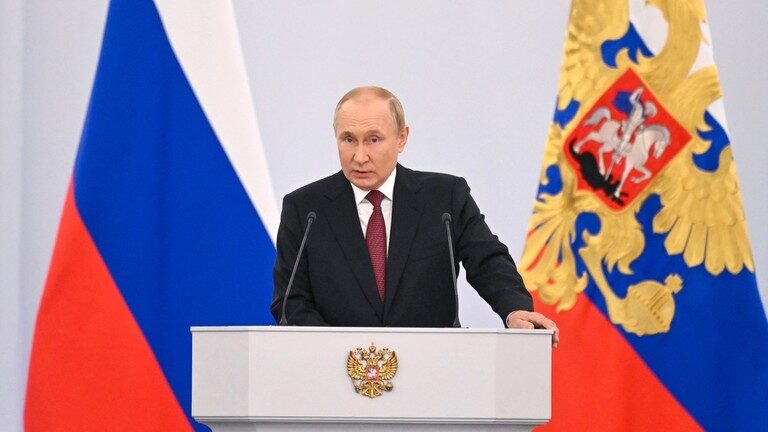
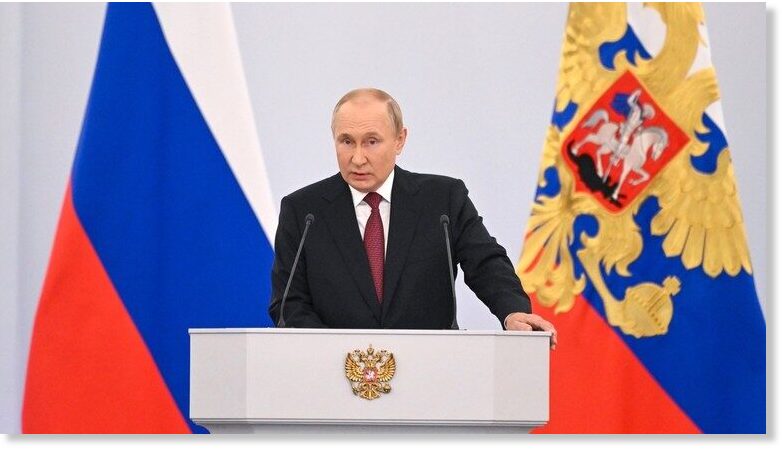
© Sputnik / Grigoriy Sisoev
Recently, I argued that Russia was provoked into beginning the 'special military operation' (SMO) by a series of events stretching from initial NATO claims of its goal to expand to Ukraine, NATO-Ukrainian cooperation, the Western-cultivated and ex post facto fully supported Maidan revolt (despite the neofascist Ukrainian element's false flag snipers terrorist attack) to which Putin responded by annexing Crimea, Western support for Kiev's attack on Donbass (including civilians), deeper Western and NATO involvement in Ukraine, Kiev's failure to implement its obligations under the Minsk Donbass peace accords, and much else [see Gordon M. Hahn,
Ukraine Over the Edge: Russia, the West and the 'New Cold War' (Jefferson, N.C.: McFarland Books, 2018);
here;
here;
here; and
here].
As far as I am concerned, the 'West/NATO expansion provoked the Ukrainian crisis and war' is an incontrovertible fact.More recently, I also
argued, Putin decided to call off coercive diplomacy begun in spring 2021 and escalated in autumn through January 2022 by massing troops at the Ukrainian border,
when the West rejected Moscow's appeals to end NATO expansion and sign a draft treaty on security agreements for Kiev and a European security architecture. The West's rejection was accompanied by
a major escalation in the Ukrainian military attacks along the Donbass line of contact and a threat by Ukrainian President Volodomyr Zelenskiy to abandon the Budapest Memorandum,
implying an attempt to acquire nuclear weapons. Zelensky said at the
annual meeting of the Munich Security Conference on February 19, 2022: "I, as president, will do it for the first time. But Ukraine and I are doing it for the last time. I am launching consultations within the framework of the Budapest Memorandum. The Minister of Foreign Affairs has been asked to convene them. If they do not happen again or if their results do not guarantee the security of our country,
Ukraine will have the right to think that the Budapest Memorandum is not working and that all the comprehensive decisions of 1994 are being questioned". The Munich conference is attended by all the leaders of the NATO alliance and other parties interested in European security issues, and yet
not one Western leader questioned the appropriateness of what would be a violation not just of the Budapest Memorandum but of the Nuclear Nonproliferation Treaty. That these immediate provocations were a direct cause of Putin's decision to begin the SMO is not possible to prove, but the thesis is highly plausible if not likely a fact. Putin
responded to Zelenskiy's nuclear demarche, saying that the only thing Ukraine needs is a uranium enrichment system, but this technical issue "is not an insoluble problem" for Ukraine, especially given the support Kiev enjoys from some nuclear powers. Incidentally, this is not only pertinent to Putin's February decision but
also provides some context for the struggle surrounding the Zaporozhe Nuclear Power Plant.

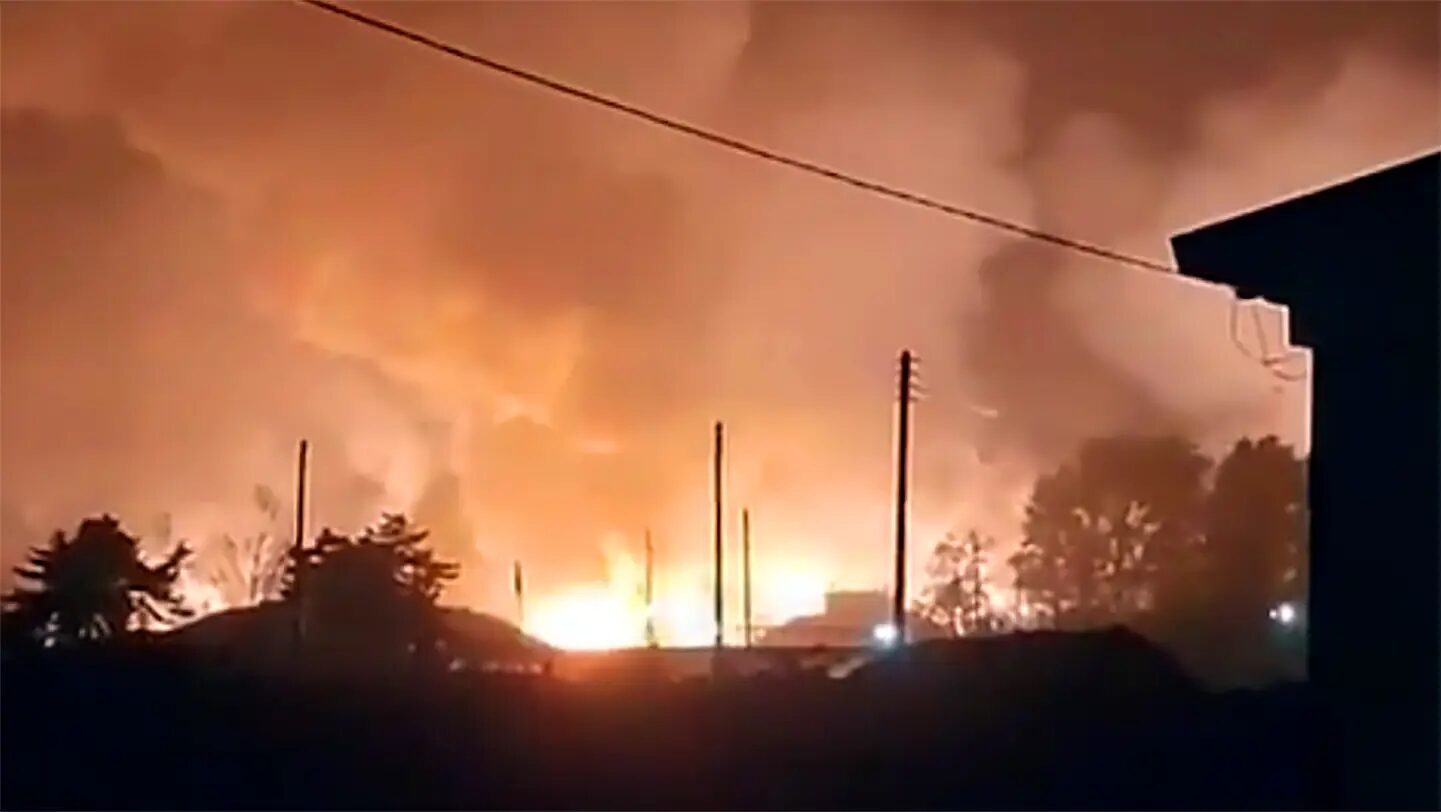







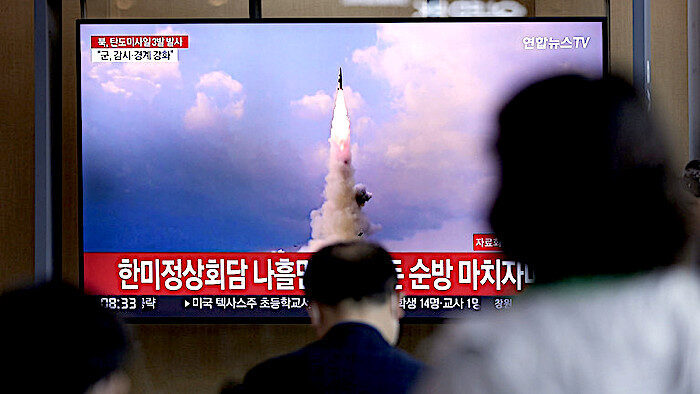



Comment: It's notable that this incident occurred whilst South Korea was working in partnership with the US military, because in recent years America has been plagued by disastrous errors, some clearly due to incompetence, with others a reflection of the rotten state of corruption that has overwhelmed America.
But we're seeing a similar pattern of collapsing empires across the West, with the UK recently being forced to dock its largest warship due to some serious malfunction - rather symbolically named the HMS Prince of Wales (the country's new king) - just one day after it left port.
In addition, this incident comes amidst a myriad of other accidental, and suspicious, fires and explosions at military bases, munitions factories, as well as energy and food processing plants across the planet: