Science & TechnologyS


Bullseye

The little book that generated big waves — Nagel's 'Mind and Cosmos', nine years later

big wave ocean surf
© Mark Harpur via Unsplash
Philosopher and atheist Thomas Nagel's little book, Mind and Cosmos, from 2012, continues to make big waves. He credited intelligent design proponents including Stephen Meyer and Michael Behe with helping to undermine (per the subtitle) "the Materialist Neo-Darwinian Conception of Nature." Writing for the journal Public Discourse, Matthew J. Franck calls it a book that "stuck" for him, meaning one that sticks around in his "thinking and writing in various ways," despite being outside Franck's academic discipline:

Comment: More on Thomas Nagel:


HAL9000

Brain connectivity can build better AI

network face
A new study shows that artificial intelligence networks based on human brain connectivity can perform cognitive tasks efficiently.

By examining MRI data from a large Open Science repository, researchers reconstructed a brain connectivity pattern, and applied it to an artificial neural network (ANN). An ANN is a computing system consisting of multiple input and output units, much like the biological brain. A team of researchers from The Neuro (Montreal Neurological Institute-Hospital) and the Quebec Artificial Intelligence Institute trained the ANN to perform a cognitive memory task and observed how it worked to complete the assignment.

This is a unique approach in two ways. Previous work on brain connectivity, also known as connectomics, focused on describing brain organization, without looking at how it actually performs computations and functions. Secondly, traditional ANNs have arbitrary structures that do not reflect how real brain networks are organized. By integrating brain connectomics into the construction of ANN architectures, researchers hoped to both learn how the wiring of the brain supports specific cognitive skills, and to derive novel design principles for artificial networks.

They found that ANNs with human brain connectivity, known as neuromorphic neural networks, performed cognitive memory tasks more flexibly and efficiently than other benchmark architectures. The neuromorphic neural networks were able to use the same underlying architecture to support a wide range of learning capacities across multiple contexts.

Comment: See also:


Cassiopaea

Rare recurrent nova outburst visible in constellation Ophiuchus

ophiucus
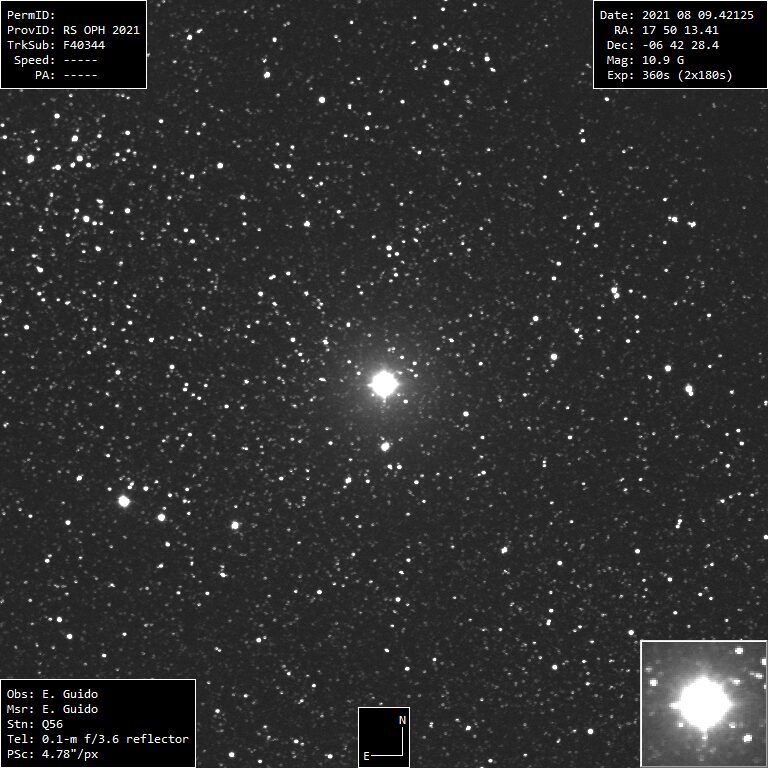
Recurrent nova RS Oph is in Outburst. The last large outburst of RS Oph occurred in Feb. 2006, when it reached visual mag 4.5.
RARE NAKED-EYE NOVA

Every 20 years or so, a thermonuclear explosion occurs on the surface of RS Oph, a white dwarf in the constellation Ophiuchus. This week it happened again. On Aug. 8th, the brightness of the tiny star increased 600-fold, from magnitude +12 to +5. Keith Geary of Ireland was the first to notice. Hours later, Italian astronomer Ernesto Guido and colleagues photographed the outburst using a remote-controlled telescope in Australia:

This is called a "recurrent nova," and it is rare. In the whole Milky Way galaxy, only 7 star systems are known to produce such explosions.

RS Oph is actually a binary star--a very lopsided one. On one side is a white dwarf, on the other is a red giant. There's very little distance between the two, so the gravity of the white dwarf is able to pull gaseous material off the larger star down onto itself. Every couple of decades, enough matter accumulates to trigger an explosion. The last time this happened was back in 2006.


Comment: Note that although this is expected to happen every 20 years or so, the time elapsed since the last outburst was just 15 years.


Comment: See also:


Galaxy

Massive, mysterious filament structure extending around the Milky Way's edge discovered

Andromeda milky way
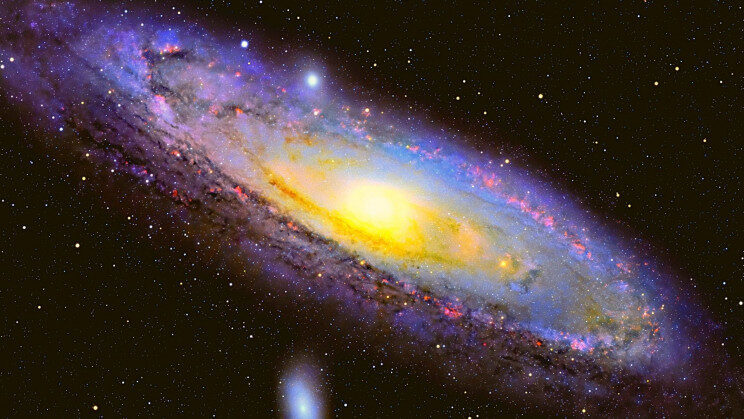
© Rastan / iStockThe Andromeda Galaxy, which is much like ours.
It's never been seen before, and they don't know what it is.

If you're swimming in a large volume of water, it's difficult to judge the properties of distant floating objects with exacting precision, and the same goes for our star system, swirling around the galaxy.

This is perhaps why scientists have just discovered a new structure encompassing a long curl of gas so gigantic that no one can say whether or not this is a section of a galactic spiral arm we simply hadn't noticed until now, according to a recent study shared on a preprint server and accepted for publication in The Astrophysical Journal Letters.

Comment: See also: And check out SOTT radio's:


Info

Researchers find a 'fearsome dragon' that soared over Australian outback

Pterosaur
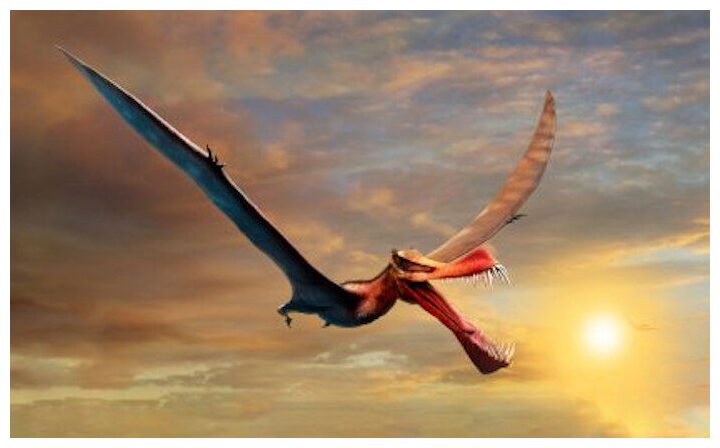
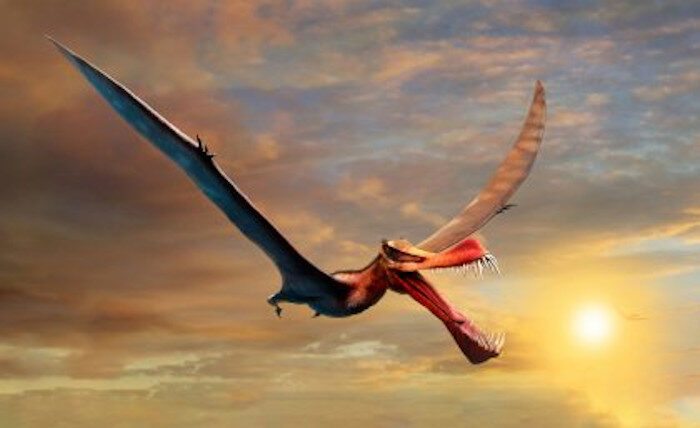
© The University of QueenslandAn artist’s impression of the Thapunngaka shawi.
Australia's largest flying reptile has been uncovered, a pterosaur with an estimated seven-metre wingspan that soared like a dragon above the ancient, vast inland sea once covering much of outback Queensland.

University of Queensland PhD candidate Tim Richards, from the Dinosaur Lab in UQ's School of Biological Sciences, led a research team that analysed a fossil of the creature's jaw, discovered on Wanamara Country, near Richmond in North West Queensland.

"It's the closest thing we have to a real-life dragon," Mr Richards said.

"The new pterosaur, which we named Thapunngaka shawi, would have been a fearsome beast, with a spear-like mouth and a wingspan around seven metres.

"It was essentially just a skull with a long neck, bolted on a pair of long wings.

"This thing would have been quite savage.

"It would have cast a great shadow over some quivering little dinosaurs who wouldn't have heard them coming until it was too late."

Mr Richards said the skull alone would have been just over one metre long, containing around 40 teeth, perfectly suited to grasping the large predatory fishes known to inhabit Queensland's no-longer-existent Eromanga Sea.

"Even though pterosaurs could fly, they were nothing like birds, or even bats," he said.

"Pterosaurs were a successful and diverse group of reptiles - the very first back-boned animals to take a stab at powered flight."

The new species belonged to a group of pterosaurs known as anhanguerians, which inhabited every continent during the latter part of the Age of Dinosaurs.


Info

Light therapy helps burn injuries heal faster

Prof. Praveen Arany,
© Douglas LeverePraveen Arany, assistant professor of oral biology in the UB School of Dental Medicine, led the development of a burn healing protocol for light therapy.
Light therapy may accelerate the healing of burns, according to a University at Buffalo-led study.

The research, published in Scientific Reports, found that photobiomodulation therapy - a form of low-dose light therapy capable of relieving pain and promoting healing and tissue regeneration - sped up recovery from burns and reduced inflammation in mice by activating endogenous TGF‐beta 1, a protein that controls cell growth and division.

The findings may impact therapeutic treatments for burn injuries, which affect more than 6 million people worldwide each year, says lead investigator Praveen Arany, DDS, PhD, assistant professor of oral biology in the UB School of Dental Medicine.

"Photobiomodulation therapy has been effectively used in supportive cancer care, age-related macular degeneration and Alzheimer's disease," says Arany. "A common feature among these ailments is the central role of inflammation. This work provides evidence for the ability of photobiomodulation-activated TGF-beta 1 in mitigating the inflammation, while promoting tissue regeneration utilizing an elegant, transgenic burn wound model."

Dig

Boeing still struggling to get doomed starliner prototype space shuttle off the ground

Starliner
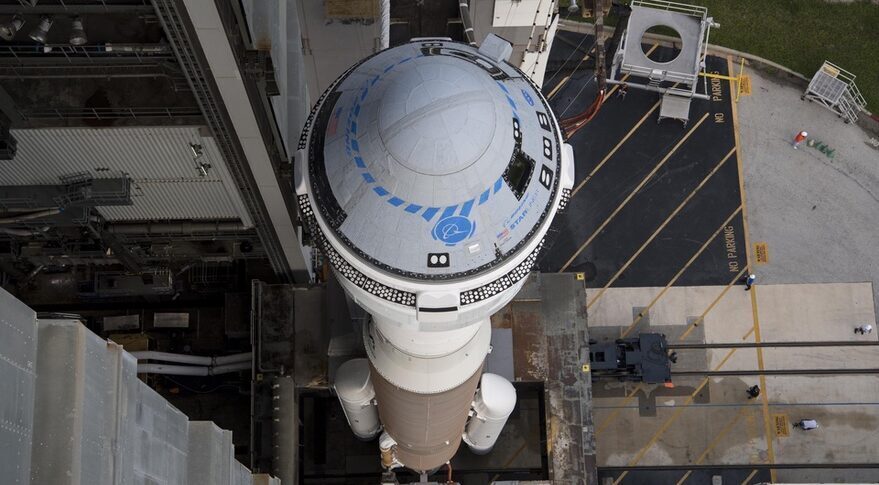
© NASA/Aubrey GemignaniFILE: Starliner
Boeing's CST-100 Starliner, a prototype spacecraft that the company has been developing for years, should have been preparing to return home from the International Space Station by now. But instead it's still stuck back here on Earth.

The Starliner was supposed to launch an uncrewed test flight to the space station on August 3, SpaceNews reports, but the mission was scrubbed three hours before launch because valves in the propulsion system were stuck in the closed position for reasons that engineers still haven't been able to sort out, though they suspect the spacecraft may have been damaged by a rainstorm during transportation.

Regardless, Boeing doesn't have very long to figure it out before the mission gets sidelined by the space station's packed schedule in the coming months.

Comment: The is just the latest in a litany of problems and failures - some of which were deadly - involving the US government and its partners, and one is beginning to get the impression that it may be that there are serious problems within the organizations themselves: Also check out SOTT radio's: MindMatters: How Psychopaths Infect and Destroy Hierarchies of Competence


Butterfly

Bacteria that thrive inside concrete discovered

Concrete
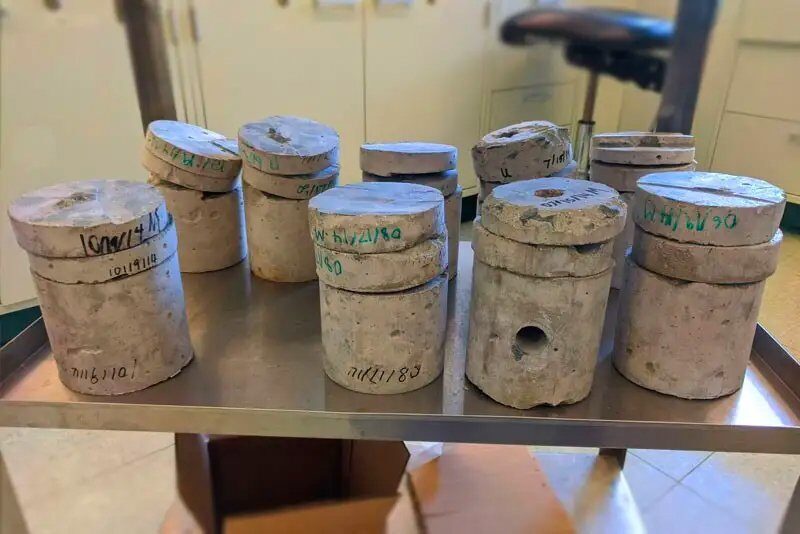
© University of DelawareConcrete samples used in the study.
Some types of bacteria are hardy enough to survive in the most inhospitable of conditions - and that includes concrete, as a new study proves. Not only can microbes survive in this dry, inhospitable building material, they can actually thrive there too.

The research shows that bacteria could provide early warnings of moisture-induced alkali-silica reactions (or 'concrete cancer') that can lead to structural deficiencies. Further down the line, we might even be able to harness bacteria to repair damage to bridges and roads.

While previous studies had already established that bacteria are able to make their homes inside concrete, here the scientists wanted to take a closer look at which microbes were present and how their communities might change over time.

Comment: It's increasingly looking like there are few niches where life in some form is not thriving: Also check out SOTT radio's:


Microscope 1

Researchers discover microbes with properties that may help fix DNA mutations

Papus ankaliazontas dna repair mutations
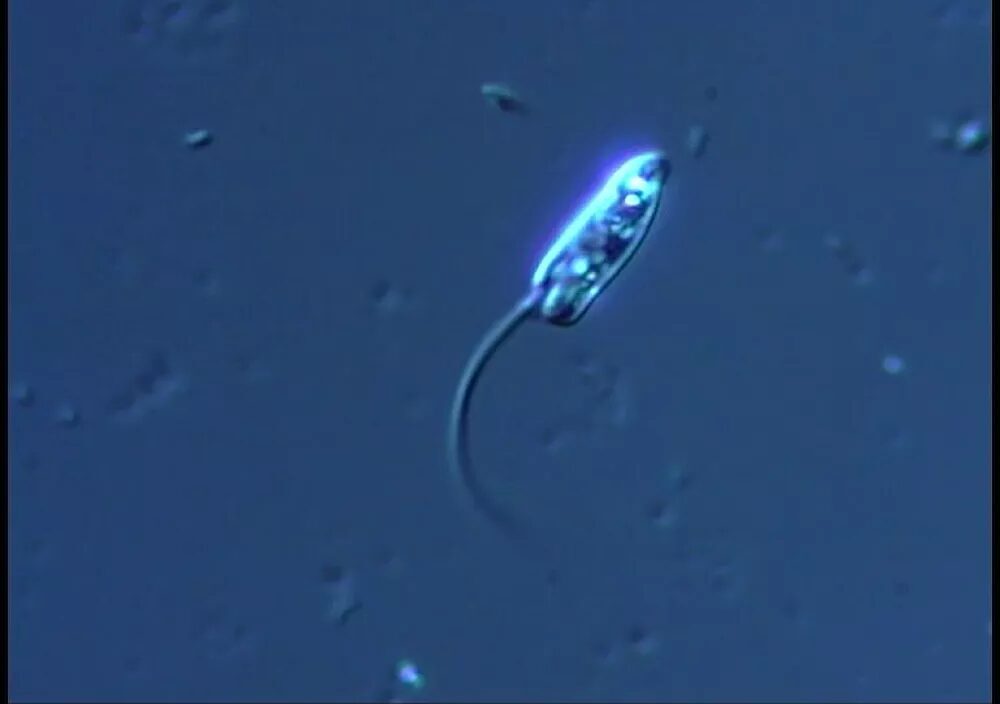
© Press service of Tyumen State UniversityPapus ankaliazontas may have helpful DNA repair properties
Scientists from the University of Tyumen (UTMN) jointly with colleagues from the Papanin Institute for Biology of Inland Waters of the Russian Academy of Sciences, as part of an international research team, have discovered two new microbial species in the lakes of Asia.

According to the authors of the discovery, the study of these microorganisms will lead to a better understanding of DNA and RNA changes that cause serious hereditary disorders, as well as the creation of new drugs to treat parasitic diseases, the university's press service said.

New microbial species (Papus ankaliazontas and Apiculatamorpha spiralis) discovered in freshwater and saltwater lakes of Indonesia, Vietnam, and Turkey were found to be closely related to certain human and animal parasites, such as trypanosomes and leishmaniasis.

Beaker

CDC/FDA confess: they had no virus when they concocted the test for the virus

Test PCR Covid-19
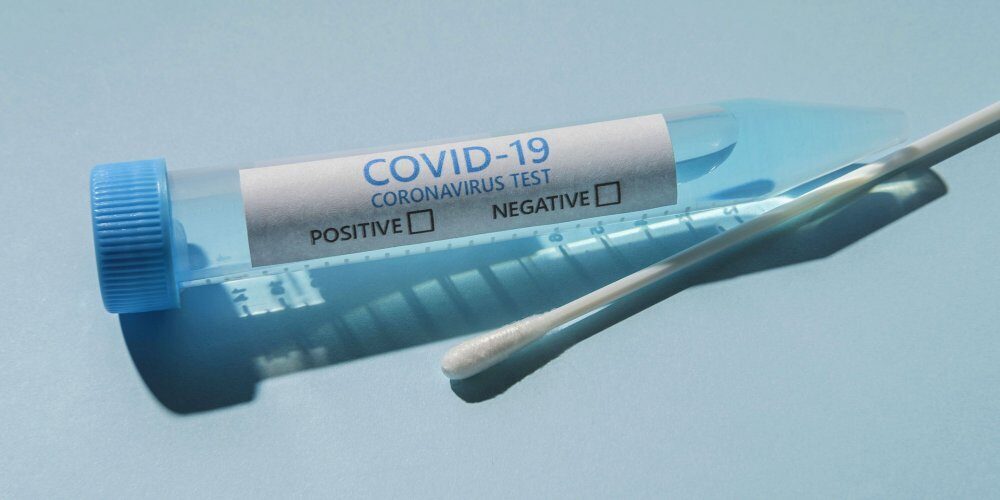
© InconnuA Covid PCR test kit
The CDC has issued a document that bulges with interesting and devastating admissions.

The release is titled, "07/21/2021: Lab Alert: Changes to CDC RT-PCR for SARS-CoV-2 Testing." [1] It begins explosively:
"After December 31, 2021, CDC will withdraw the request to the U.S. Food and Drug Administration (FDA) for Emergency Use Authorization (EUA) of the CDC 2019-Novel Coronavirus (2019-nCoV) Real-Time RT-PCR Diagnostic Panel, the assay first introduced in February 2020 for detection of SARS-CoV-2 only. CDC is providing this advance notice for clinical laboratories to have adequate time to select and implement one of the many FDA-authorized alternatives."
Many people believe this means the CDC is giving up on the PCR test as a means of "detecting the virus." I don't think the CDC is saying that at all.

They're saying the PCR technology will continue to be used, but they're replacing what the test is looking FOR with a better "reference sample." A better marker. A better target. A better piece of RNA supposedly derived from SARS-CoV-2.

Comment: The whole Covid pandemic, fascistic measures, and lockdowns were and still are based on PCR tests that are not a reliable method for diagnostics. Now we find out that even these PCR tests used contrived, manufactured samples of the virus.

So many people lost their lives because of the lockdowns and so much damage was done to the world economics and basic human freedom. All this is based on lies, propaganda, and manipulation so they could enslave humanity and make them accept the experimental vaccines that are far more dangerous than the virus itself.

Will humanity finally wake up and take their own destiny into their own hands?

See also: