
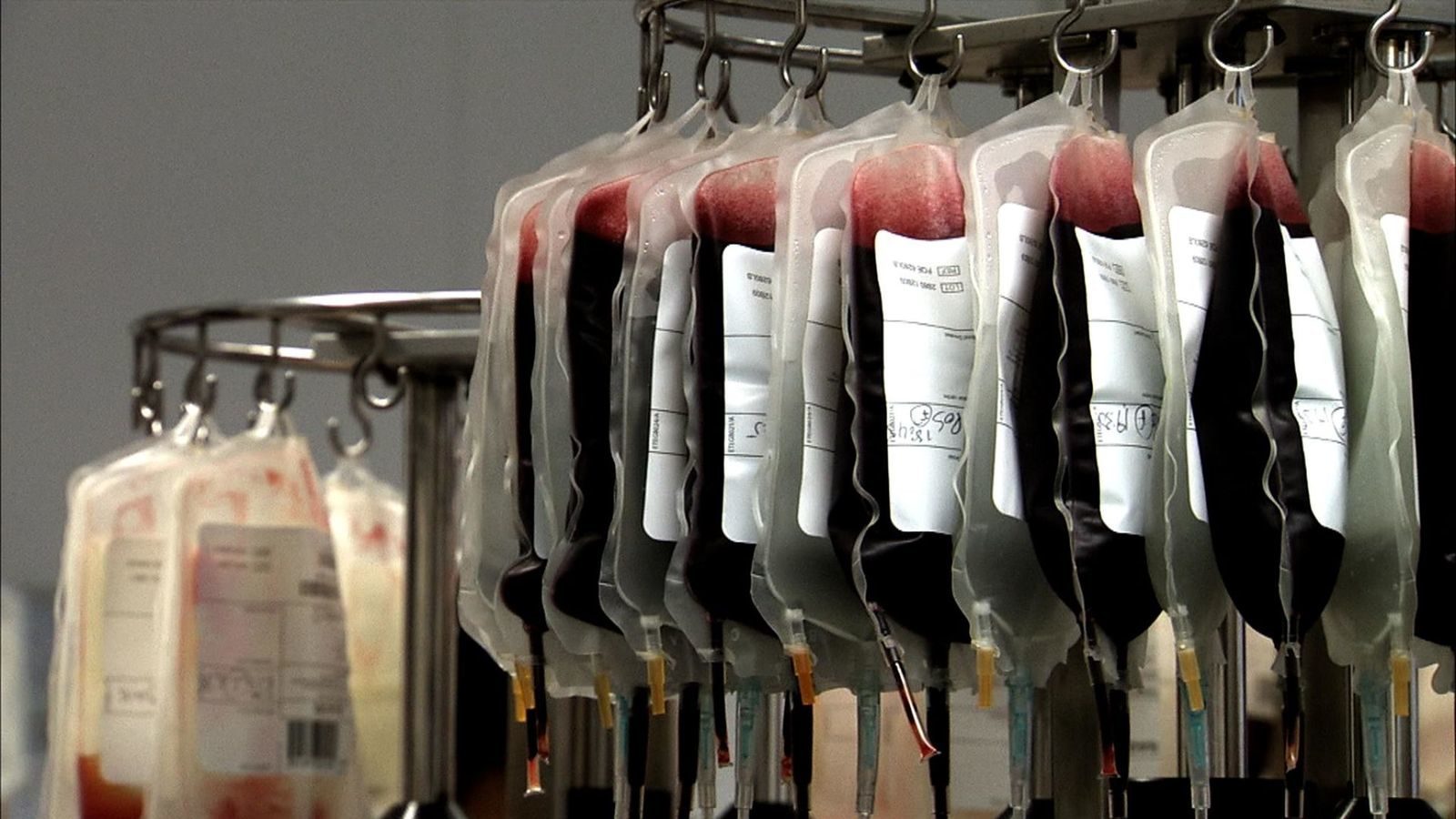
On any given day, hospitals across the United States burn through some 16,500 liters (35,000 pints) of donated blood for emergency surgeries, scheduled operations, and routine transfusions. But recipients can't take just any blood: For a transfusion to be successful, the patient and donor blood types must be compatible. Now, researchers analyzing bacteria in the human gut have discovered that microbes there produce two enzymes that can convert the common type A into a more universally accepted type. If the process pans out, blood specialists suggest it could revolutionize blood donation and transfusion.
"This is a first, and if these data can be replicated, it is certainly a major advance," says Harvey Klein, a blood transfusion expert at the National Institutes of Health's Clinical Center in Bethesda, Maryland, who was not involved with the work.


















Comment: It remains to be seen whether this theory will stand the test of time: