
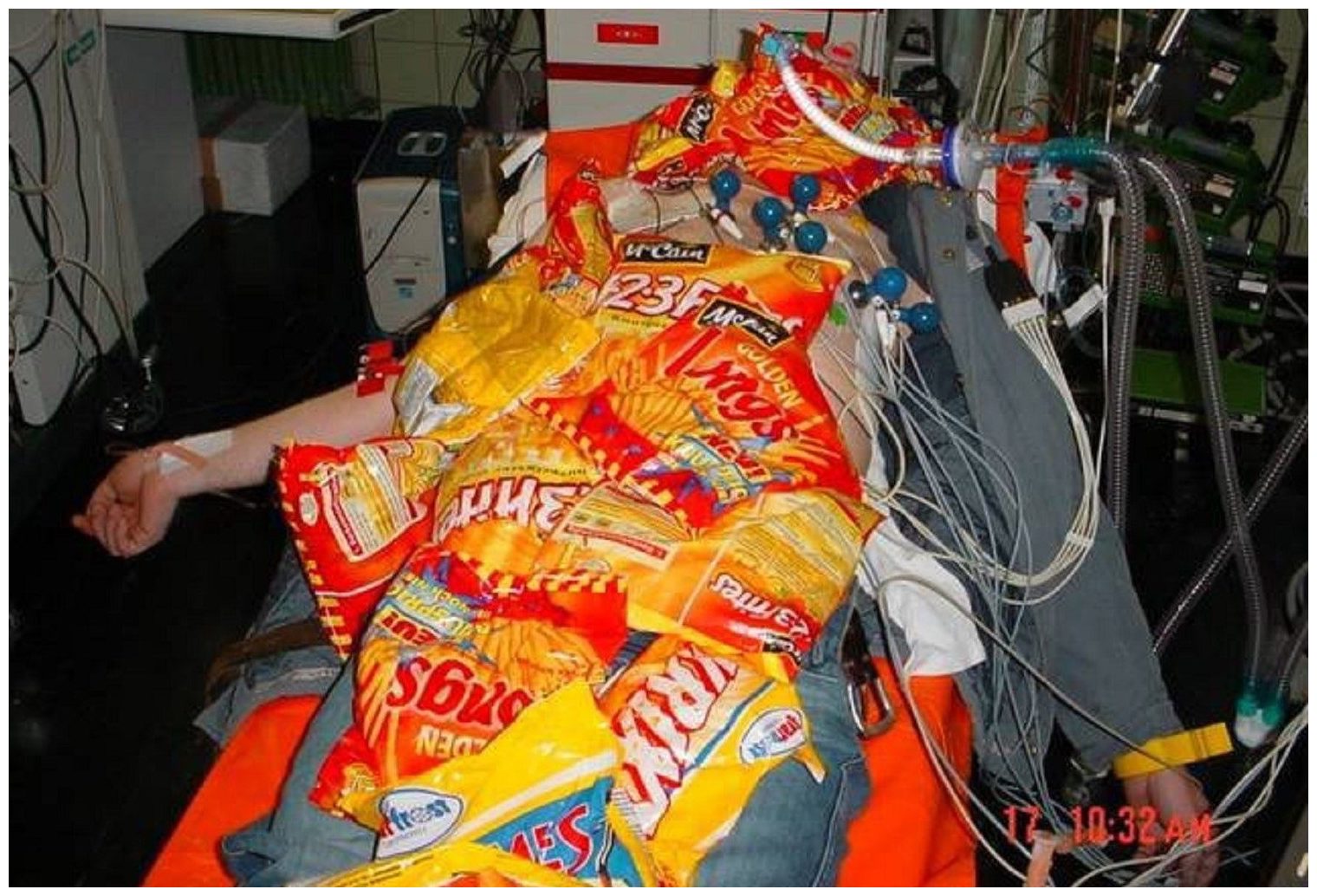
© TIER UND NATURFOTOGRAFIE J UND C SOHNS“Therapeutic hypothermia” was sometimes tried in novel ways, such as this case, when a man went into cardiac arrest in supermarket and was subsequently covered in packets of frozen chips.
Take fluffy the cat. Found inert and apparently lifeless in a snow drift during the deep freeze in Montana last US winter, she resembled a trashed shag pile carpet on arrival at the Kalispell Animal Clinic.Her temperature didn't register.
Only hours later, however, gentle rewarming elicited a growl and Fluffy was discharged in full feline health. She was likely in a state loosely called "suspended animation". Body temperature plunges and metabolism slows to a point where the need for oxygen is so low that, even without breathing, vital organs such as the brain come out unscathed. It happens in humans, too.
In 2006, Australian mountaineer Lincoln Hall was pronounced dead by sherpas on Mount Everest after showing no signs of life for two hours. Despite a full night at 8800 metres with no oxygen, he was found next morning alive, if disoriented, by a fellow climber. These feats have not gone unnoticed by scientists.
Researchers are trialling extreme cooling to "buy time" for surgeons to fix patients whose hearts have stopped after a shooting or stabbing. Others are hunting the switch that hibernating animals use to put cell systems on hold, sometimes for years, when resources are scarce. There is intense interest, too, from space agencies hoping "human hibernation" could solve the problems of prolonged space flight. It is on Earth, however, that the need is most pressing.















Comment: Yes, it appears to be supersonic at launch.
US generals must be soiling their pants.
In fact, CNN is reporting that an emergency shipment of underwear and new desk chairs arrived at the Pentagon today.
And John Bolton's mustache had a seizure...