
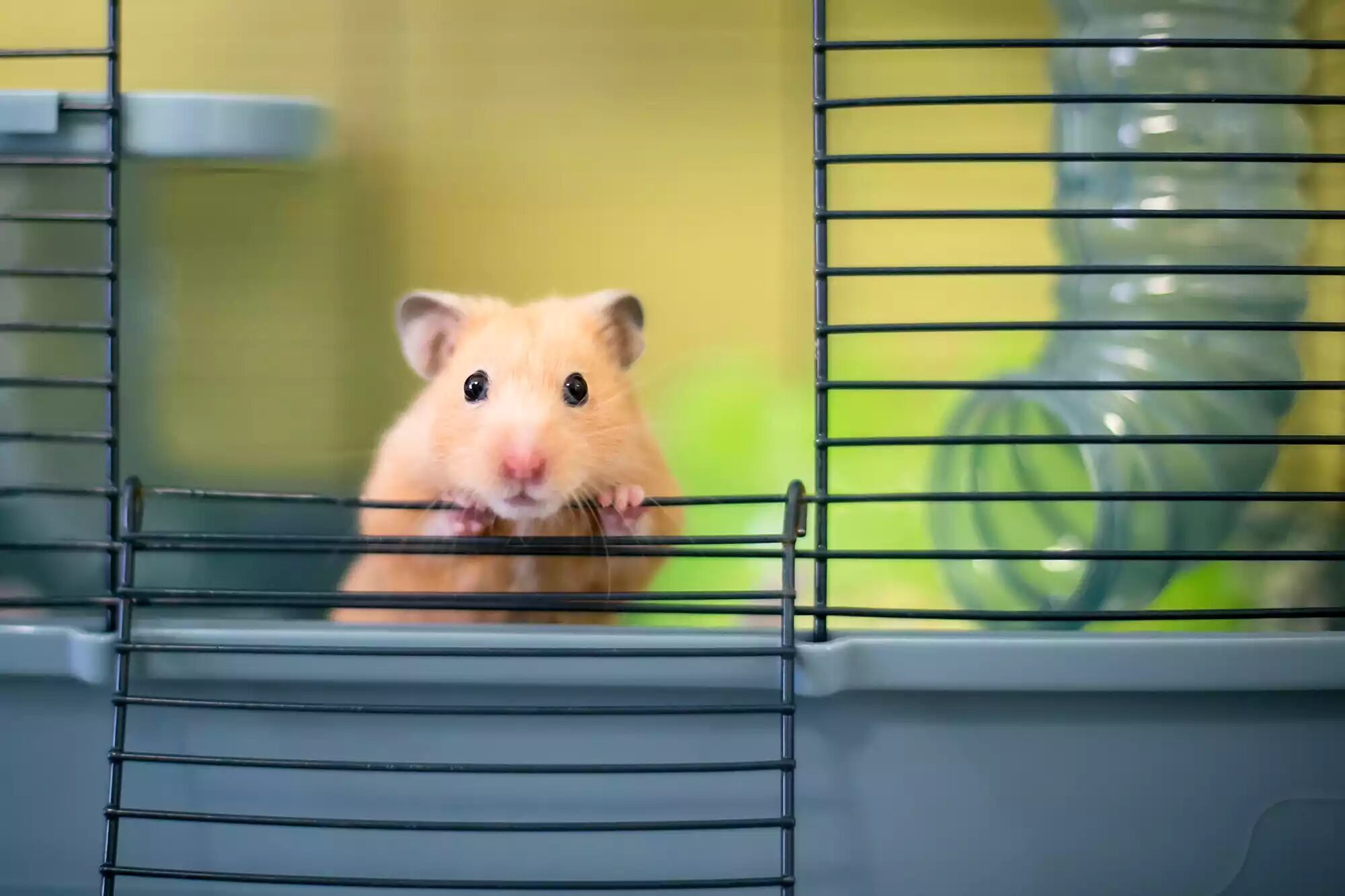
© ShutterstockResearchers said they chose to work with Syran hamsters they're social structure is similar to that of humans.
Scientists at Northwestern University used controversial CRISPR technology to remove hormone vasopressin and its receptor, Avpr1a, from a group of the critters with the expectation that would increase cooperation between the critters, according to the study.
The hypothesis was wrong.
"We were really surprised at the results," H. Elliot Albers, one of the lead researchers in the study, told Metro.
"We anticipated that if we eliminated vasopressin activity, we would reduce both aggression and social communication."
Once gene-spliced, the hamsters exhibited "high levels of aggression towards other same-sex individuals," the professor said, regardless of sexuality or genotype.
Behaviors included chasing, biting and pinning, the study found.
Researchers said they chose to work with Syrian hamsters because their social structure is similar to that of humans.
"We don't understand this system as well as we thought we did," Albers concluded.




















Comment: No, they don't and neither do they understand that CRISPR is a rather unpredictable tool to be using...