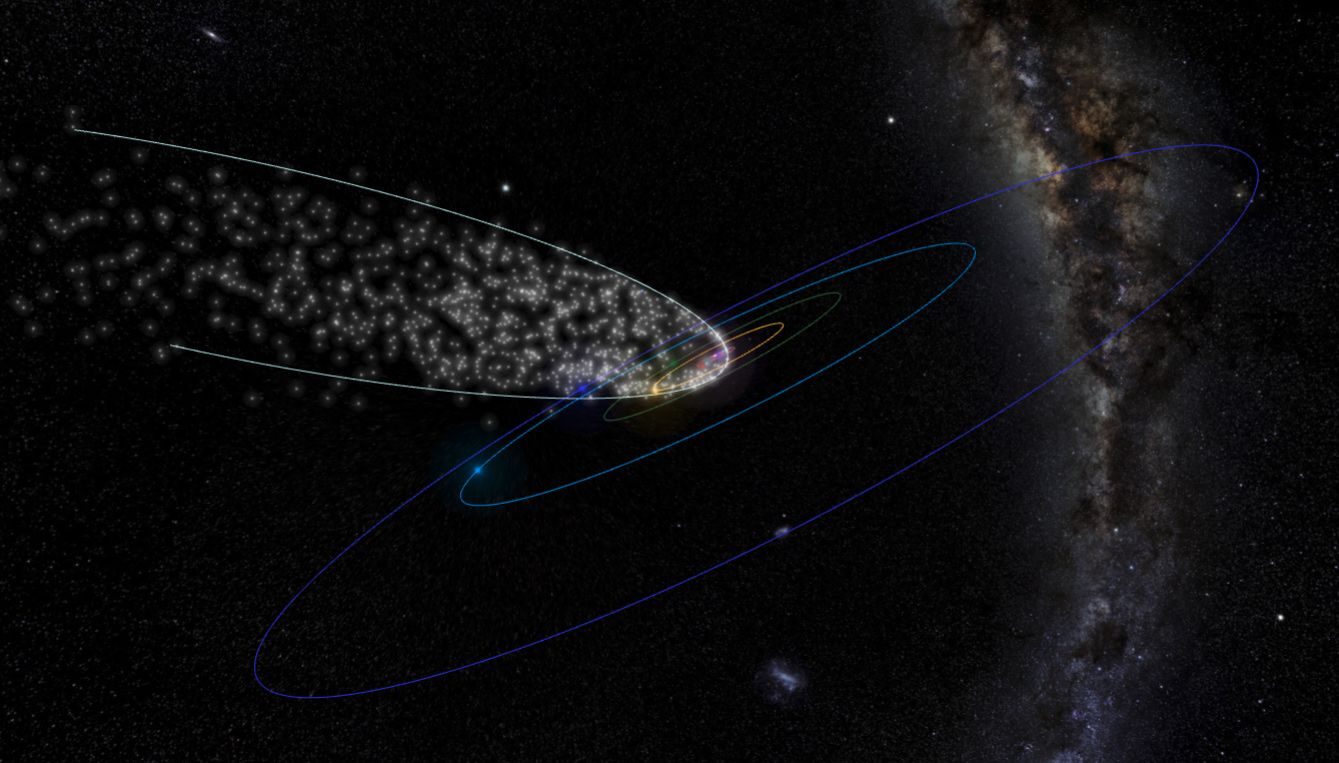
© P. Jenniskens / SETI InstituteThe meteoroid stream of long-period comet Thatcher from CAMS data. Outer blue ellipse is the orbit of Neptune.
Comets that circle the Sun in very elongated orbits spread their debris so thin along their orbit or eject it out of the solar system altogether that their meteor showers are hard to detect. From a new meteor shower survey published in the journal
Icarus,
researchers now report that they can detect showers from the debris in the path of comets that pass close to Earth orbit and are known to return as infrequent as once every 4,000 years."This creates a situational awareness for potentially hazardous comets that were last near-Earth orbit as far back as 2,000 BC," said meteor astronomer and lead author
Peter Jenniskens of the SETI Institute.
Jenniskens is the lead of the
Cameras for Allsky Meteor Surveillance (CAMS) project, which observes and triangulates the visible meteors in the night sky using low- light video security cameras to measure their trajectory and orbit. There are CAMS networks now in nine countries, led by co-authors on the paper.
In recent years, new networks in Australia, Chile and Namibia
significantly increased the number of triangulated meteors. The addition of these networks resulted in a better and more complete picture of the meteor showers in the night sky.
"Until recently, we only knew five long-period comets to be parent bodies to one of our meteor showers," said Jenniskens, "but now we identified nine more, and perhaps as many as 15."

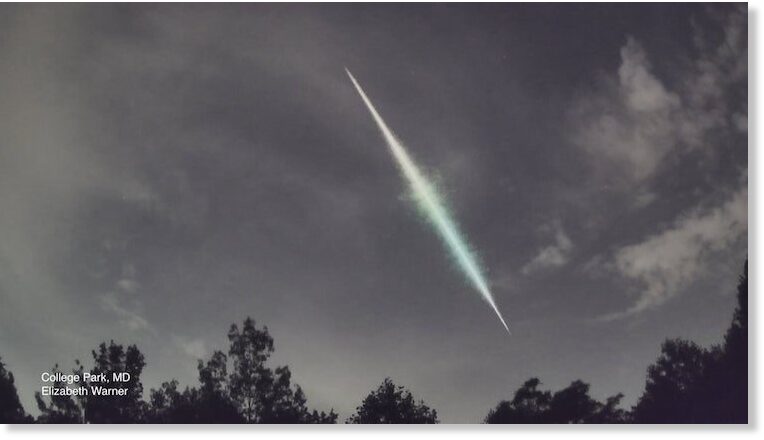




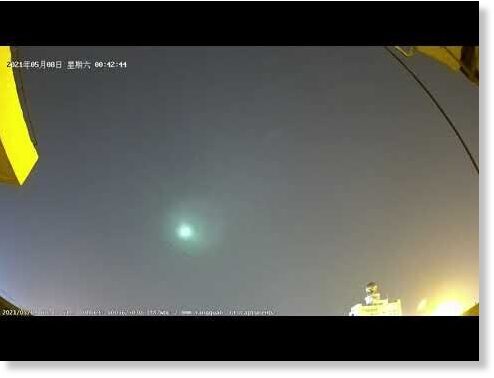

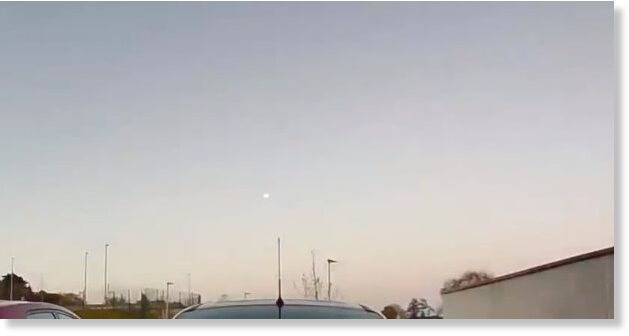





Comment: Considering the above, it's notable that there's been a significant uptick of fireballs and NEOs recorded on Earth in recent years:
- Russian complex "Okno-M" detected increased activity in space
- Something Wicked This Way Comes
- HUGE meteor fireball lights up western China's dark morning skies
Also check out SOTT radio's: