Storms
S


Snowflake

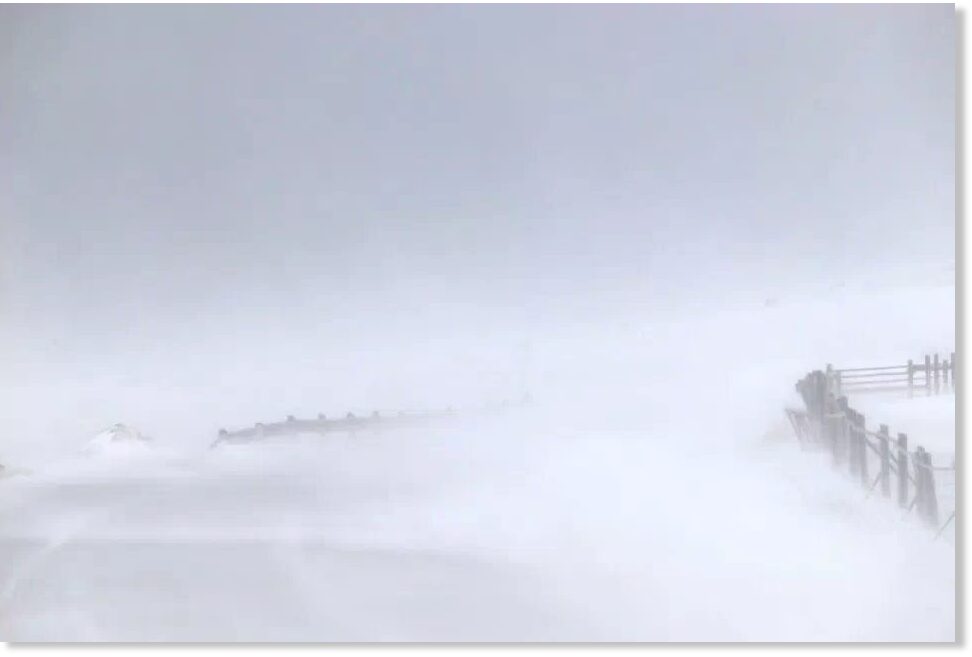
Blowing snow, howling winds create hazardous travel in Newfoundland

Atlantic Canada walloped by destructive 100+ km/h winds, snow
It's been a stormy few days in Atlantic Canada with nearly two back-to-back potent spring storms bringing a swath of heavy snow, rain, ice pellets, and powerful wind gusts. This has led to difficult travel. The most recent one left an impactful mark on the region Monday, with damaging winds felt particularly in Newfoundland.

The intense wind gusts and snow will linger into Tuesday, but will be far less potent than on Monday. As the system departs, just some sea-effect snow will continue into Tuesday afternoon for parts of the island. Beyond, Newfoundland and the Maritimes catch a breather mid-week before the next storm rolls in. More on the timing and impact, below.


Snowflake

Winds gusting to 100km/h and lots of snow: Winter strikes back in Saskatchewan

The winter storm pushed into western Saskatchewan early Monday morning and by noon, had reached central regions of the province.
© Brenden Purdy / Global NewsThe winter storm pushed into western Saskatchewan early Monday morning and by noon, had reached central regions of the province.
Well over a week into spring, conditions in Saskatchewan took a decidedly wintery turn Monday.

A low-pressure system moving in from Alberta brought snow and high winds as it tracked across the province.

Meteorologist Terri Lang of Environment and Climate Change Canada said temperatures that rose well into the mid-teens Sunday helped fuel Monday's storm.

"It's the clash of the really warm air and still that cold air to the north that can form these really potent systems," Lang said.

The storm hit the western portion of the province early Monday morning and was expected to deposit as much as 10 to 15 centimetres of snow in areas around Saskatoon throughout the afternoon and evening.


Tornado2

Fierce tornado destroys buildings in Cimenyan, Indonesia

Indonesia tornado
© YouTube/Chave weather (screen capture)
A fierce tornado destroys buildings in Cimenyan, Bandung, West Java, Indonesia. March 28 2021.


Boat

4 dead, dozens rescued after flash floods in Tennessee - 8 inches of rain in 48 hours

Floods in Franklin County, Tennessee, March 2021.
© Franklin Fire DepartmentFloods in Franklin County, Tennessee, March 2021.
At least 4 people have died after flash floods and severe weather swept through parts of Tennessee USA on 27 March 2021.

State authorities said that severe weather crossed Tennessee on 27 March, bringing two rounds of heavy rain, high winds, flash flooding and tornado warnings. "The mostly localized impacts of the severe storms included flooding of homes and businesses, scattered structures damaged, closed roads, downed trees, and power outages," the government of Tennessee said.

NWS Nashville reported 8.65 inches (219.71 mm) of rain in Franklin between 27 and 28 March and 7.01 inches (178 mm) at Nashville International Airport.


Cloud Lightning

Huge uptick in lightning over the Arctic in past decade

Lightning
© Ivan Kmit/Alamy
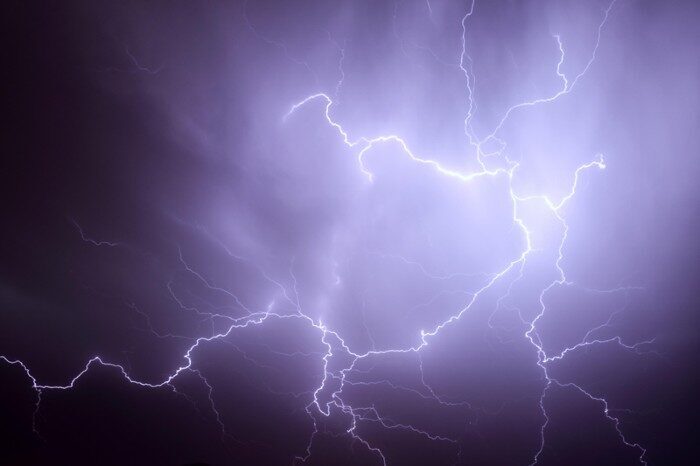
A combined team of researchers from the University of Washington and the University of Otago has found that lightning strikes in the Arctic have been rising dramatically over the past decade. In their paper published in the journal Geophysical Research Letters, the group describes their study of data from the World Wide Lightning Location Network (WWLLN) and what they found.

Lightning is much less common in colder parts of the planet — the chill is less conducive to the humidity required for electrically charging ice crystals in clouds. In this new effort, the researchers found that for one cold region, the number of lightning strikes has been increasing dramatically as average air temperatures rise due to global warming. Notably, prior research has shown that temperatures are rising approximately three times faster in the Arctic than in the rest of the world.


Comment: Our planet is experiencing an overall worldwide cooling trend, with a "Super" Grand Solar Minimum upon us according to some scientists.


Comment: In recent years there has been record lightning all over the world, including: New Zealand, France, British Columbia, Sweden, Iceland and the world record longest lightning flash of 440 miles was confirmed over northern Argentina.

The electrical nature of our weather and changing atmosphere is becoming more apparent:


Cloud Lightning

Super-cold thunderstorm sets temperature record, scientists note increase in last 20 years

cloud
© SPLCumulonimbus incus: The anvil shape forms when the rising cloud reaches the tropopause
We've all seen those majestic anvil storm clouds that form on a hot summer's day, but what do you think is the temperature right at the very top?

It's very cold, obviously; at high altitude it is well below freezing.

But would you be surprised to learn it is sometimes below even -100C?

Indeed, scientists have just published research showing the top of one tropical storm cloud system in 2018 reached -111C. This is very likely a record low temperature.

Comment: That we are experiencing a significant shift in conditions on our planet can be seen in the numerous, varied and unusual phenomena in our skies: Also check out SOTT radio's:


Tornado2

Newnan tornado was only 10th rare EF4 twister in seven decades for Georgia

Georgia tornadoes map
© The Weather Channel
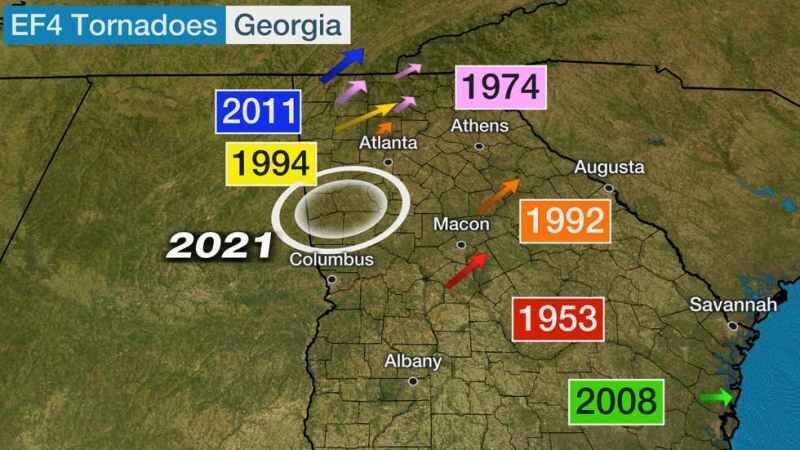
Friday morning's EF4 tornado in Coweta County, Georgia, was the strongest tornado to hit the state in almost a decade and only the 10th EF4 or F4 tornado to tear through the state since 1950.

Prior to Friday's tornado, the most recent EF4 tornado occurred in the 2011 Super Outbreak, which brought hundreds of tornadoes to the Deep South.

Less than 0.5% of tornadoes in Georgia reach "violent" strength, those of EF4 or EF5 magnitude. EF4 tornadoes hit Georgia roughly once in a decade. Most violent tornadoes have occurred early in the year and in the northern portion of the state.

In all, the state has seen more than 2,000 tornadoes since 1950.

Friday's tornado struck the west-central Georgia community of Newnan, a town of more than 40,000.


Comment: At least 5 dead after tornadoes rip through Alabama, bring destruction to Georgia


Cloud Lightning

Lightning kills couple inside house in Malawi

lightning
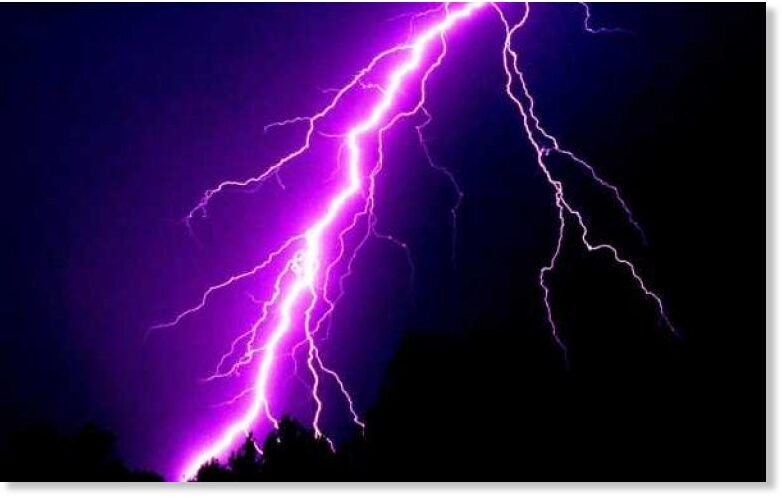
A 52-year-old man identified as Austin Bosco and his wife Anes Banda aged 32 have died after being struck by lightning in Kasungu.

The incident happened on March 26, 2021, at around 18:40 hours at Chiteyeye location, Traditional Authority Kaomba in the district.

The assistant public relations officer for Kasungu police station sergeant Miracle Mikozi said that on the material day, Bosco and his family were inside the house while rain was falling outside.

"Unfortunately, the lightning hit them right inside their home as the main door of the house was left wide open while the couple was resting at the sitting room.

"They were taken by well-wishers to Kasungu District Hospital whereby death was confirmed upon arrival," said Mikozi.

Bosco hailed from Gala village, Traditional Authority Mwase while Anes Banda hailed from Chiteyeye village, Traditional Authority Kaomba in Kasungu District.

Cloud Lightning

Lightning strike kills 19 cattle near Victoria Falls, Zimbabwe

lightning
Five families on the outskirts of Victoria Falls under Chief Mvuthu were left counting their losses after 19 cattle were killed by lightning during a heavy storm in the early hours of Saturday.

The cattle are part of a community project, which was established in 2016 by ten villagers who are into farming who are being assisted by Wild is Life Trust, an organisation that is into wild animal conservation.

The project had 72 cattle before tragedy struck.

The farmers take intervals to keep the cattle and they are meant to assist with manure for their communal farms.

The incident, according to Joseph Ncube who lost four of his cattle is suspected to have happened around 2 AM.

Snowflake

Remote areas remain cut off due to snow up to 3 feet deep in north Kashmir for 4th day

snow
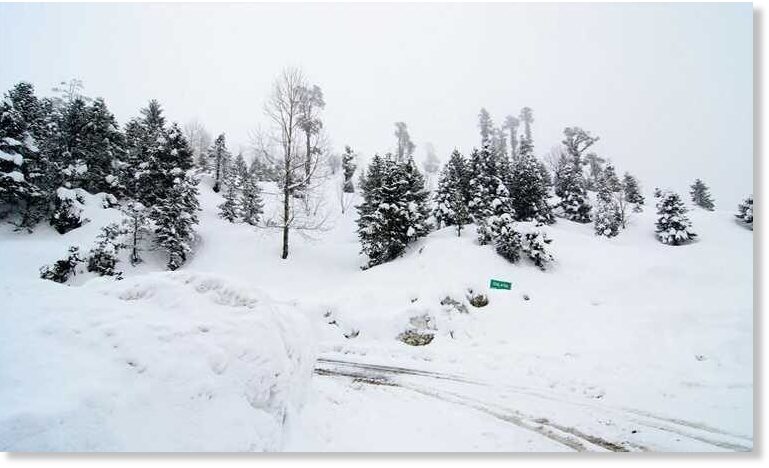
Dozens of far flung and remote villages, including those near the Line of Control (LoC) in north Kashmir districts of Kupwara and Bandipora remained cut off for the fourth day on Thursday due to fresh snowfall, avalanches and landslides.

Border towns of Keran, Karnah, Machil and Tanghdar remained cut off with their district headquarter Kupwara, a Police Control Room (PCR) official told UNI over phone today.

Meanwhile, traffic to the border town of Gurez remained suspended since January 1 due to the accumulation of snow at Razdan pass and adjoining areas.

He said traffic continued to remain suspended to dozens of far-flung and remote villages, including those near the LoC, due to slippery road conditions following intermittent moderate to heavy snowfall on Monday and Tuesday.

However, yesterday weather was dry and sky clear, he said adding there was no snowfall during the night.