Extreme Temperatures
S


Igloo

Need funding for climate science? - Lie about the data!

Arctic sea ice extent is almost exactly "normal."
Sea Ice extent
© University of Colorado BoulderSource 2017
There has been a huge increase in extent since this date last year.

Ice Cube

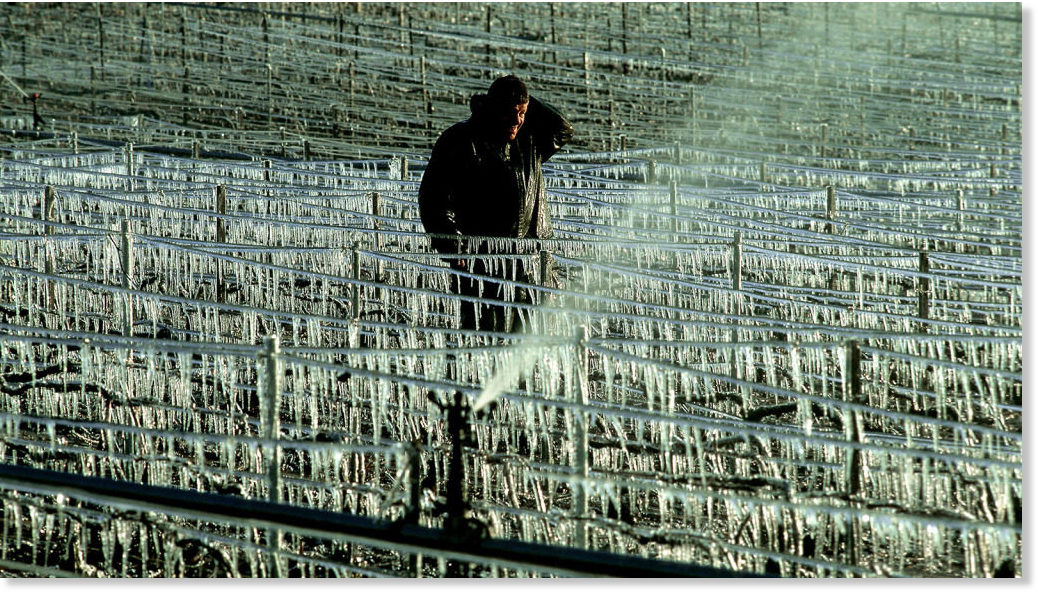
'Climate Change' Clobbers French Wine Crop

france vineyards frozen 2017
© John Hodder – Collection CIVC
Walter Sobchak writes:

Unseasonable late April weather damaged vineyards in France and England

French Bordeaux vineyards could lose half of harvest due to frost on Sat May 6, 2017
REUTERS BORDEAUX, France "Bordeaux vineyards in southwest France could lose about half of their harvest this year after two nights of frost damaged the crop at the end of April, a wine industry official said on Saturday. ... Wines from the Cognac, Bergerac, and Lot-et-Garonne regions had also been affected ... 'For Bordeaux wines...we estimate that the impact will be a loss of about 50 percent, depend on how many buds can regrow'".

English vineyards report 'catastrophic' damage after severe April frost

GUARDIAN.COM "Chris White, the chief executive of Denbies Wine Estate in Surrey, said up to 75% of its crop was damaged by last week's sub-zero temperatures: "The temperature dropped to -6C and at that level it causes catastrophic damage to buds," he said. White said staff had worked in vain using special fans and heaters to protect the vineyard, which at 265 acres in the UK's biggest, after an Arctic blast swept across the UK. ... 'It's been a stark reminder of the difficulties faced by wine producers in the country, and yes ... at this moment we are asking ourselves whether we were mad to try and grow vines in England,' said Wenman"
Bizarro Earth

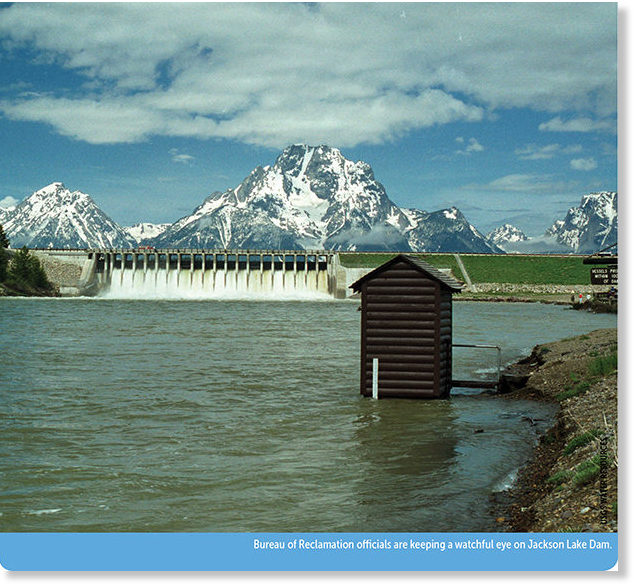
Record snowfall raises fears of flooding in Teton County, Wyoming

jackson Hole Lake Dam
If you're not building the next Noah's Ark, you might be in trouble once the weather warms up and the snow melts. That was the sentiment of one audience member at a public meeting with the Bureau of Reclamation and the state engineer's office last Thursday. His worries, though not shared by local officials, at least raised important questions about the consequences of this winter's historically high snowfall.

He pointed to the water levels in Jackson Lake and the Bureau of Reclamation's apparent inaction in the face of imminent flooding. According to his estimations, the lake could fill up in as few as 10 days of heavy runoff. If enough water hasn't already been released from the dam by peak runoff, Teton County will end up under water, he argued. His proposed solution was to release as much water from Jackson Lake as possible now in anticipation of the devastating snowmelt.

But it's not that simple, says Bureau of Reclamation water manager Corey Loveland. His job is a balancing act. Releasing all the water now would deprive essential irrigation systems in Idaho down the road (err, river). They must release enough water, Loveland said, to make room for future snowmelt without running the dam dry. And that's precisely what they're doing. "We're balancing filling the reservoir with not flooding people downstream," he said.

Bizarro Earth

Risk of natural disasters doubles since 1975

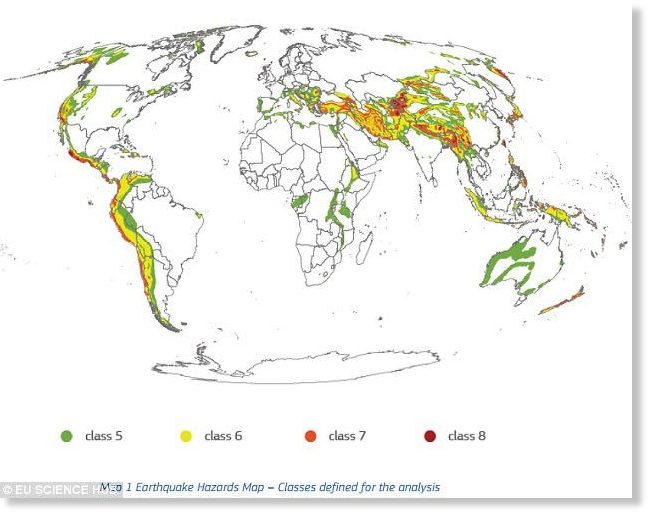
earthquake hazard map
Earthquakes were found to be the largest hazard, with the number of people potentially affected jumping from 1.4 billion in 1975 to 2.7 billion in 2015. Now, they say one in three people is exposed to the risk of earthquakes.
Billions of people around the world are now exposed to devastating natural disasters, including earthquakes, tsunamis, and volcanic eruptions, according to a new study.

In the last few decades, the risk has dramatically increased; the number of people living in seismic areas, for example, has increased by 93 percent in just 40 years.

The findings, compiled in the Atlas of the Human Planet 2017, reveal the global exposure to natural disasters has doubled since 1975, largely as a result of population growth and development.

Additional images

Ice Cube

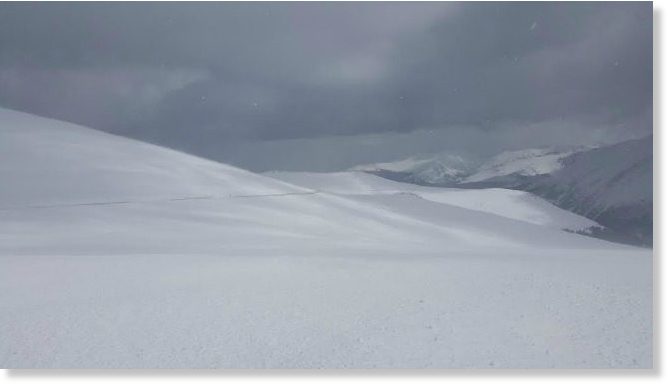
Heavy snowfall buries road in Colorado's Rocky Mountain National Park

Traill Ridge Road covered Colorado
© National Park ServiceTrail Ridge Road covered in snow, as seen in this photo taken on Monday.
The National Park Service has closed Trail Ridge Road in Rocky Mountain National Park after last week's snowstorm buried the road.

The road had been clear of snow this time last week, but the snowstorm that hit the Front Range late last week dumped more snow over the road.

High winds have led to snow drifts, but crews began trying to clear the road today. It is not clear when the road might be re-opened, officials said.

Ice Cube

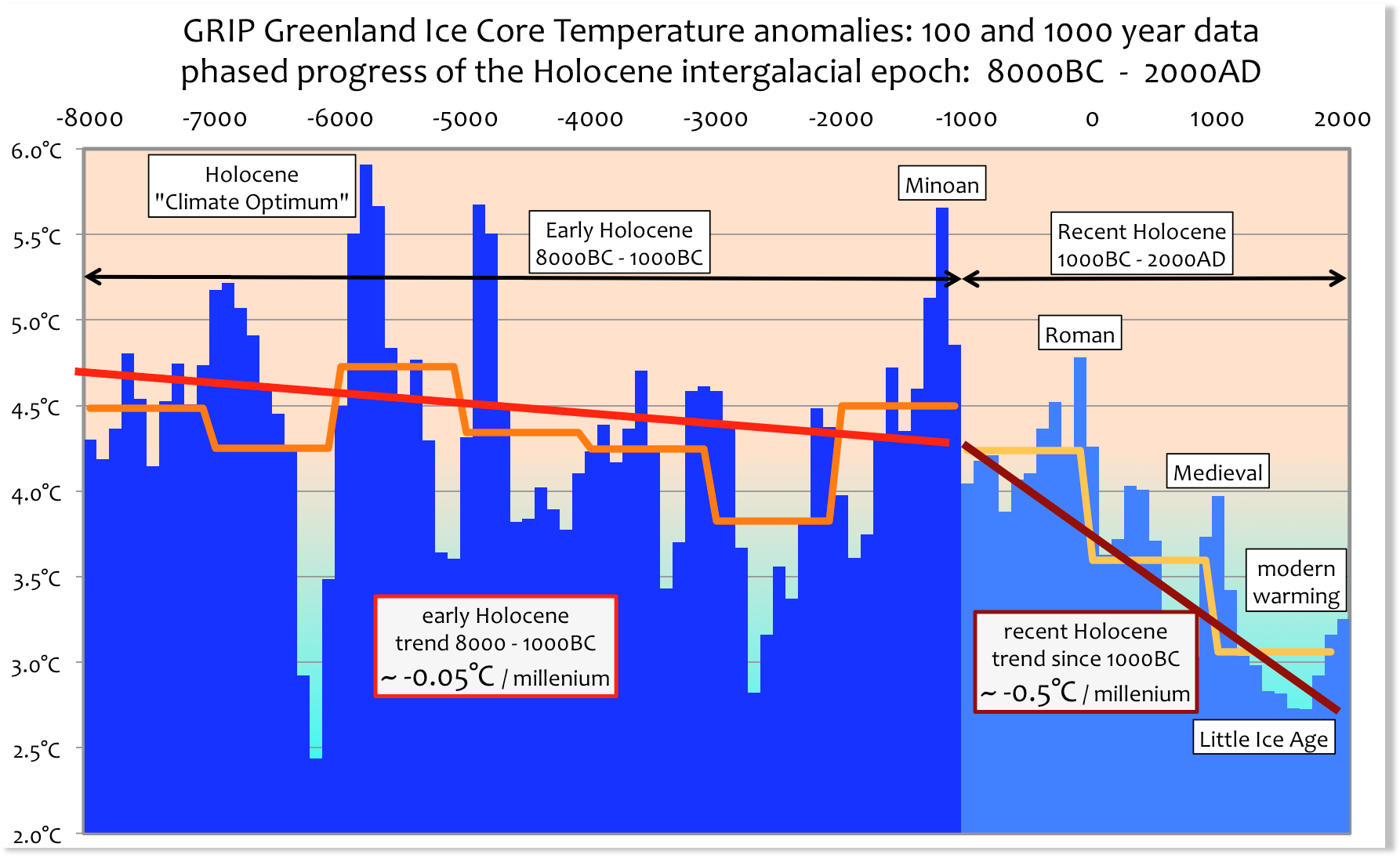
Now the coldest millennium in 8,000 years?

Greenland Ice Core Temperatire anomolies
© Ed Hoskins
The reversion to a true ice age is almost overdue. The last millennium, 1000AD - 2000AD, has been the coldest millennium of the entire current Holocene interglacial.

Each of the notable high points in the Holocene temperature record, (Holocene Climate Optimum - Minoan - Roman - Medieval - Modern), have been progressively colder than the previous high point.

For its first 7-8000 years the early Holocene, including its high point known as the "climate optimum", temperatures have been virtually flat, with an average drop of only ~0.007 °C per millennium.

But the more recent Holocene since a "tipping point" at around 1000BC, 3000 years ago has seen temperature fall at about 20 times that earlier rate at about 0.14 °C per millennium .

The Holocene interglacial is already 10 - 11,000 years old and judging from the length of previous interglacial periods, the Holocene epoch should be drawing to its close: in this century, the next century or this millennium.

Ice Cube

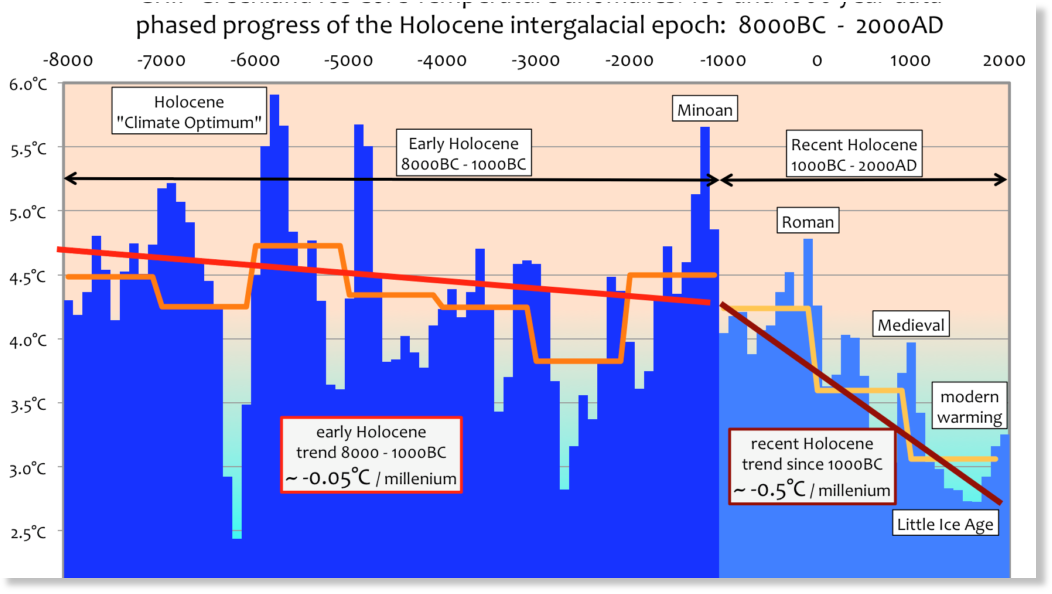
Ice core records show profound temperature decline

modern warming period graph
Look at the unmistakable trend on this graph!

"The Modern Warming phase began around 1690 or so," says reader. "This means, if going by past long warm cycles, it is almost over."

"The warmth seems to last around 350 years or so. Not only that, we are near the time for a big dip in the temperature in the Northern Latitudes as well, since they happen around a 1,000 years apart and it has been about a 1,000 years now since the last big dip.

"Notice how they happen right after a long warming phase ends?"

Ice Cube

Cold Butt at Crater Lake, Oregon

crater lake oregon
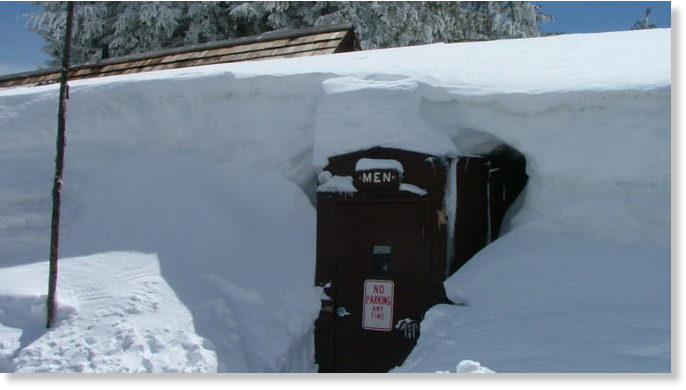
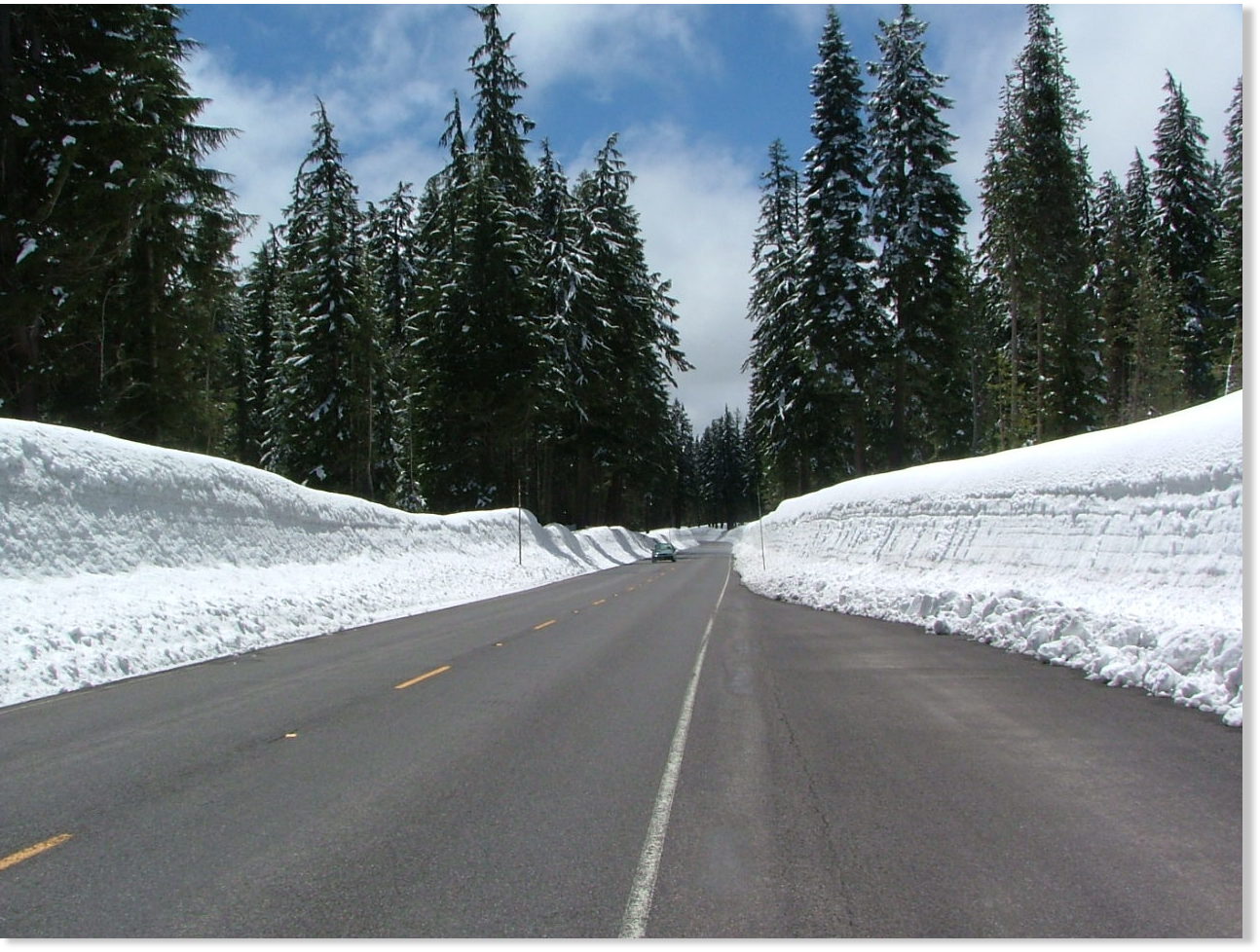
Last week I posted an article about the eruption of Oregon's Mount Mazama some 7,700 years ago that formed Crater Lake. What I didn't mention is that I was visiting the area at the time. This is what it it looked like on May 18, 2017. Brrrr!

After visiting the Mt. Shasta area to photograph Whitney Glacier (which is growing, by the way), I decided to drive north to Bend, Oregon. According to the map, it looked like I could easily drive along the west side of Crater Lake.

Oops. Maybe not.

As I got closer and closer to the lake, the snowbanks got higher and higher. Can you even see the automobile in this photo?
crater lake oregon snow cover

Sun

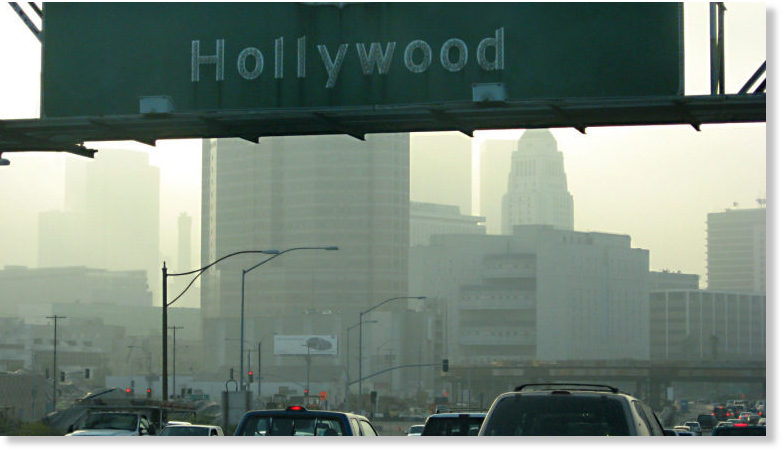
Los Angeles' climate has been stable for 50,000 years

Hollywood sign

From the American Museum of Natural History and the "no ice ages here" department:


Fossil beetles suggest that LA climate has been relatively stable for 50,000 years

New radiocarbon dating of La Brea Tar Pits beetles indicates that Southern California's Paleoclimate was very similar to today

Research based on more than 180 fossil insects preserved in the La Brea Tar Pits of Los Angeles indicate that the climate in what is now southern California has been relatively stable over the past 50,000 years.

The La Brea Tar Pits, which form one of the world's richest Ice Age fossil sites, is famous for specimens of saber-toothed cats, mammoths, and giant sloths, but their insect collection is even larger and offers a relatively untapped treasure trove of information. The new study, published today in the journal Quaternary Science Reviews, is based on an analysis of seven species of beetles and offers the most robust environmental analysis for southern California to date.

"Despite La Brea's significance as one of North America's premier Late Pleistocene fossil localities, there remain large gaps in our understanding of its ecological history," said lead author Anna Holden, a graduate student at the American Museum of Natural History's Richard Gilder Graduate School and a research associate at the La Brea Tar Pits and Museum. "Recent advances are now allowing us to reconstruct the region's paleoenvironment by analyzing a vast and previously under-studied collection from the tar pits: insects."

Comment: "Smoking gun" on Ice Ages revisited


Snowflake Cold

More than 50 cm of snow in Cartwright, NF as snow marks unofficial start of Summer for May 24 weekend

the Snowman on May 2-4 weekend in Mary's Harbour, Labrador
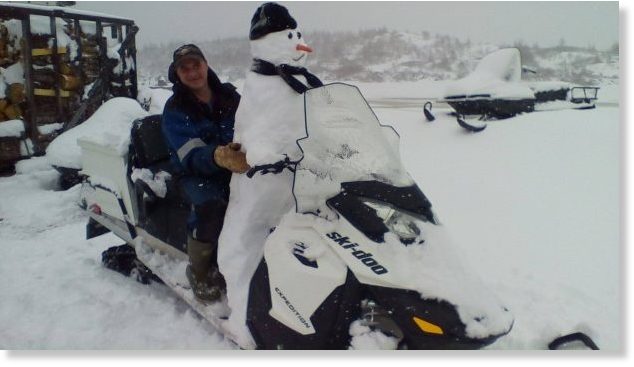
© Nancy SmithNancy Smith says: 'Here is a picture of my husband Nelson Smith with Frosty the Snowman on May 2-4 weekend in Mary's Harbour, Labrador.'
Snow marks unofficial start of summer for May 24 weekend - People reaching for mittens instead of sunscreen. Cartwright, Nfld. officially received 51.6 cm (20.3″) over the weekend.

About 30 cm (12 inches) of snow fell Roddickton and Englee areas, while about 20 cm fell in La Scie.

Thanks to Terry Homeniuk for this link