Extreme Temperatures
S


Snowflake

Autumn is completely skipped over as snowfall hits Alberta and British Columbia

Slave Lake
Slave Lake
Summer isn't even officially over, so most of us hope means that snow won't be turning up for a couple more months.

So while this Wednesday was simply just a day of the week for most Canadians, for people in British Columbia and northern Alberta, it marked the death of autumnbefore it technically began.

Despite Environment Canada issuing plenty of freezing rain and snow warnings for the next several days for B.C. and central and northern Alberta, it was still hard to fathom that fall was essentially cancelled. With some public statements warning of 10 and 15 centimetres of snowfall, it's fair to say that winter is here. As of Thursday, snowfall warnings are still in effect for Banff and Jasper National park areas in Alberta.
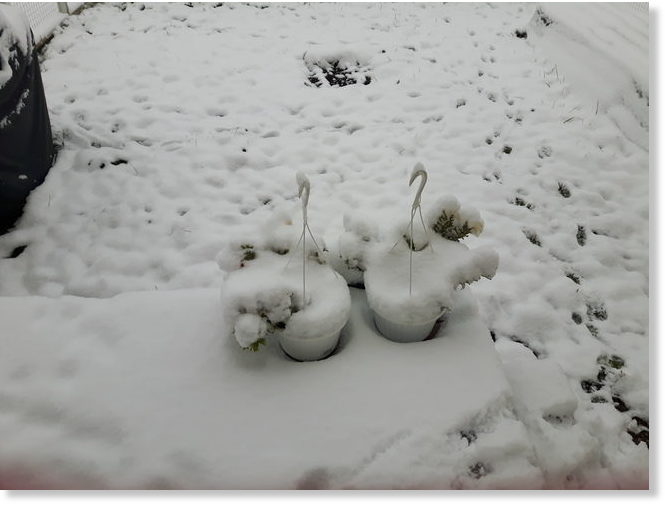
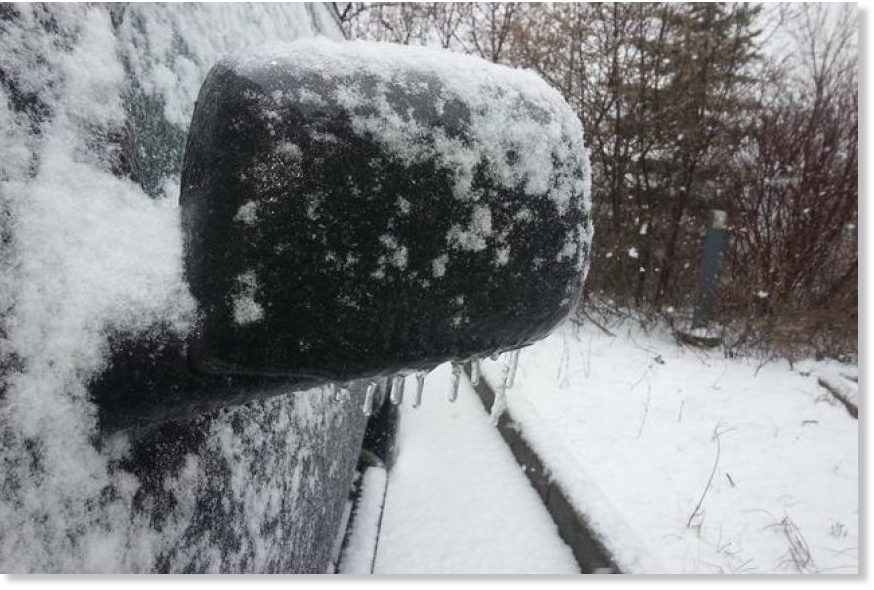
Snowflake

Snowfall record for 12th September in Grande Prairie, Alberta

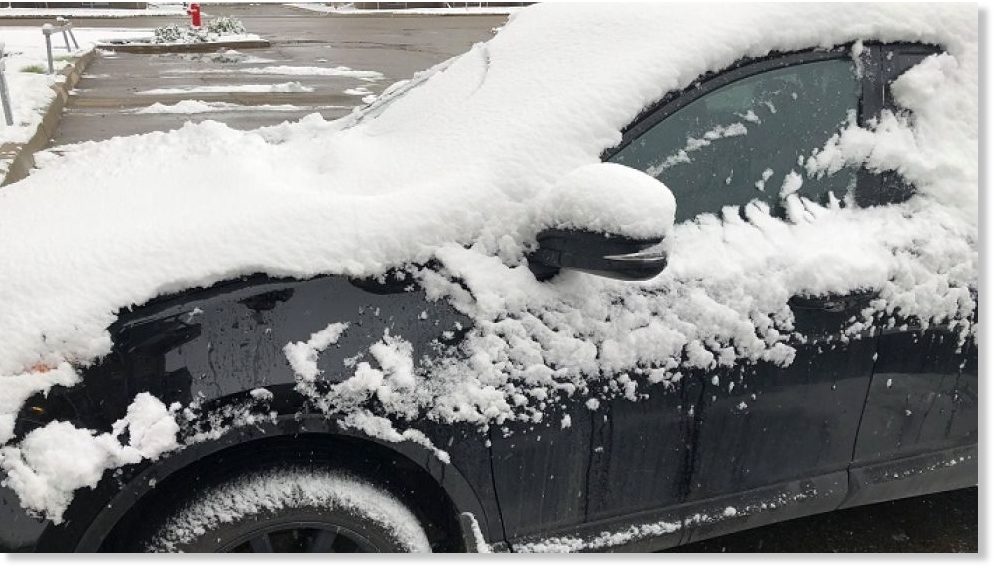
Many residents of the swan city had to pull out the snow brushes Wednesday morning following the flurries.
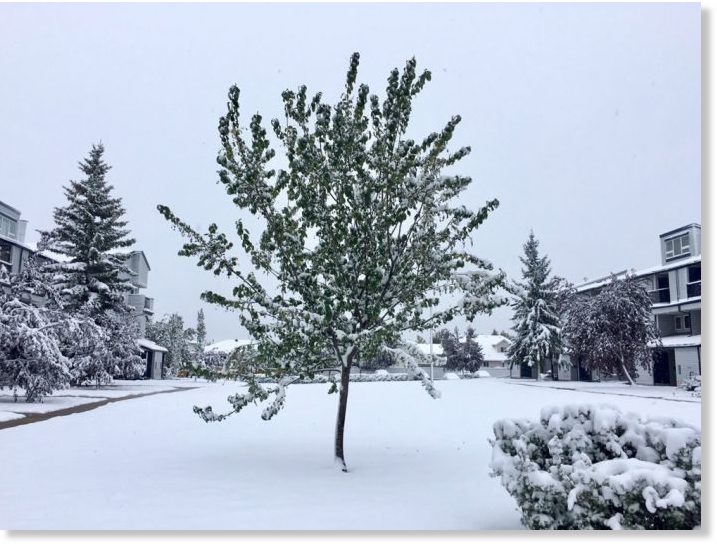
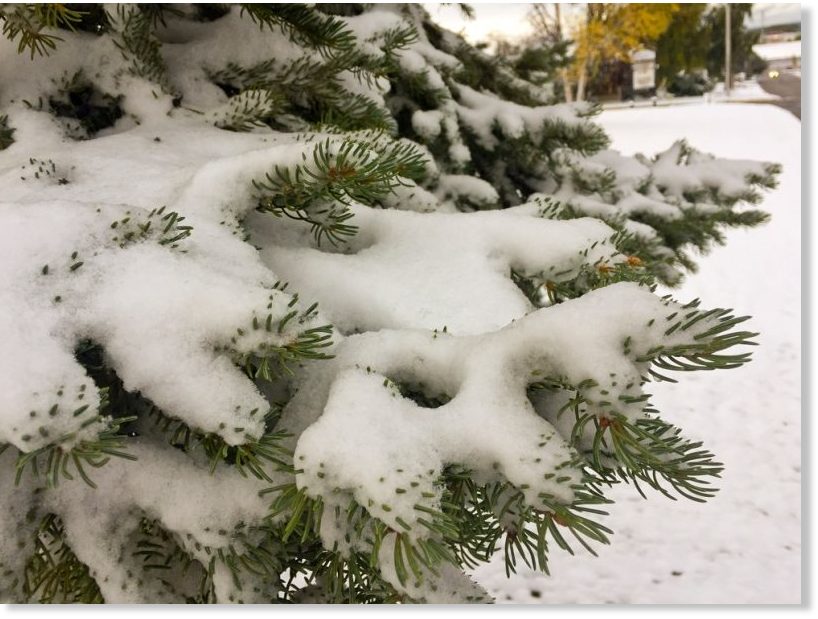
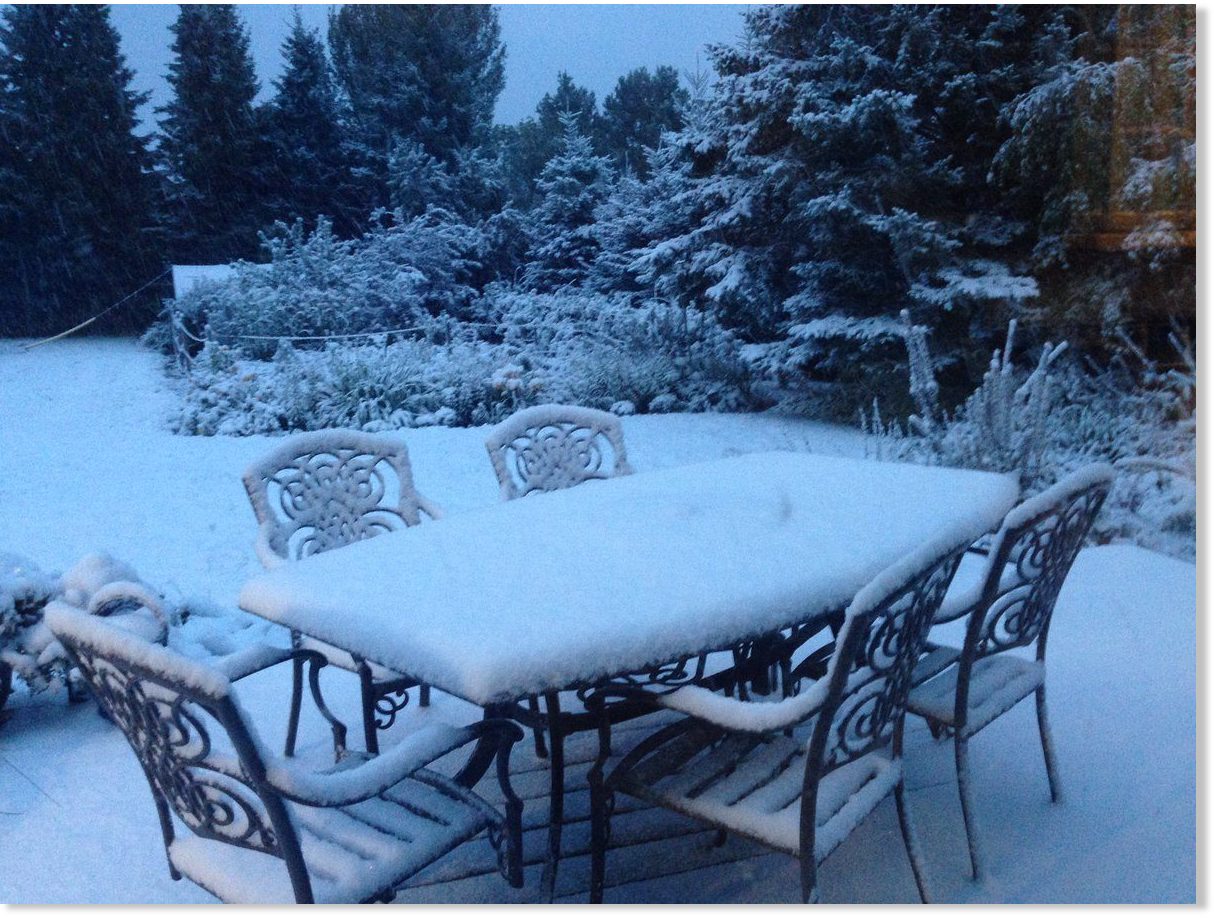
Residents of Grande Prairie and the surrounding area woke up to a bit of a winter wonderland Wednesday as mother nature hit the region with some snowfall.

The snow tapered off in the evening, and the snowfall warning has ended, but not before setting a record.

According to Environment Canada, 10.6 cm of snow fell Wednesday setting the record.

Since the government agency started keeping track in 1942, no snow had fallen on September 12th in Grande Prairie, up until yesterday.

Snowflake

Snow in September in northern British Columbia

Fort St. John, BC | September 12, 2018
© Sherri RobertsonFort St. John, BC - September 12, 2018
It almost seems like summer in the Okanagan ended in July.

August was smoked out by area forest fires, and once the smoke cleared the sun did come out, but temperatures began to drop.

But it could be worse - a lot worse.

Just ask our cousins in Northern B.C., who woke up Wednesday morning to a blanket of snow.


Snowflake

First snow of the season hits northern Saskatchewan

SNOW
The entire province is feeling the chill this week.

Cooler weather moving into Saskatchewan is translating into snow for some northern parts of the province.

Helen Hhugarth photographed the snow in Wollaston Lake Wednesday morning.

"My bag is packed and ready to go lol," she wrote on Facebook.

Snowflake

It's baaaack: Snowfall rocks northern Alberta as it makes its way to Edmonton

Snow accumulates in Grande Prairie as snowfall warnings were issued on Wednesday, Sept. 12, 2018 for much of northern Alberta
© MAUREEN MCEWAN / GRANDE PRAIRIE DAILY HERALD TRIBUNESnow accumulates in Grande Prairie as snowfall warnings were issued on Wednesday, Sept. 12, 2018 for much of northern Alberta
They say absence makes the heart grow fonder.

But in the case of snow in September, it's safe to say most Albertans would prefer some distance.

Environment Canada issued a special weather statement for Edmonton Wednesday, warning that a cold front is coming down from the Northwest Territories and invading Alberta, bringing snow with the heaviest amounts expected over the west-central part of the province, particularly between Grande Prairie and Jasper.

Snowfall warnings are in effect for the Grande Prairie, Grande Cache and Jasper regions.

Comment: Another resident said:


Info

Adapt 2030 Ice Age Report: Blackhawk Choppers at Solar Observatory and 75% crop losses Australia

crops down
Solar Observatory closed without explanation, what did the facility do, study the Sun, then instantly, facility evacuated indefinitely. Makes you wonder what did they discover.

Australian crop production down 46% this year, but 75% from 2011. What about next year when less will be grown due to the intensifying drought?

Japan record early cold.


Sources

Snowflake

Fort St. John in British Columbia sets snowfall record for Sept. 11 of 7 centimetres

SNOW
Good morning, Fort St. John, it turns out the weatherman was right about the snow, but the good news is that we don't need to shovel.

Environment Canada reports seven centimetres of snow was recorded at the airport weather station over the last 24 hours — and the five centimetres that fell Tuesday, Sept. 11 is good for a new record, beating the 2.4 cm recorded in 1993.

Another two centimetres fell overnight, and the snow is expected to clear by noon, falling short of the record 12.7 cm that fell on Sept. 12, 1936.

Meteorologist Jim Goosen says the snow arrived thanks to "a pipeline" of cold air from the high arctic.

Comment: Parts of British Columbia are already seeing snow


Ice Cube

Antarctic iceberg A-68 is on the move after year-long standstill

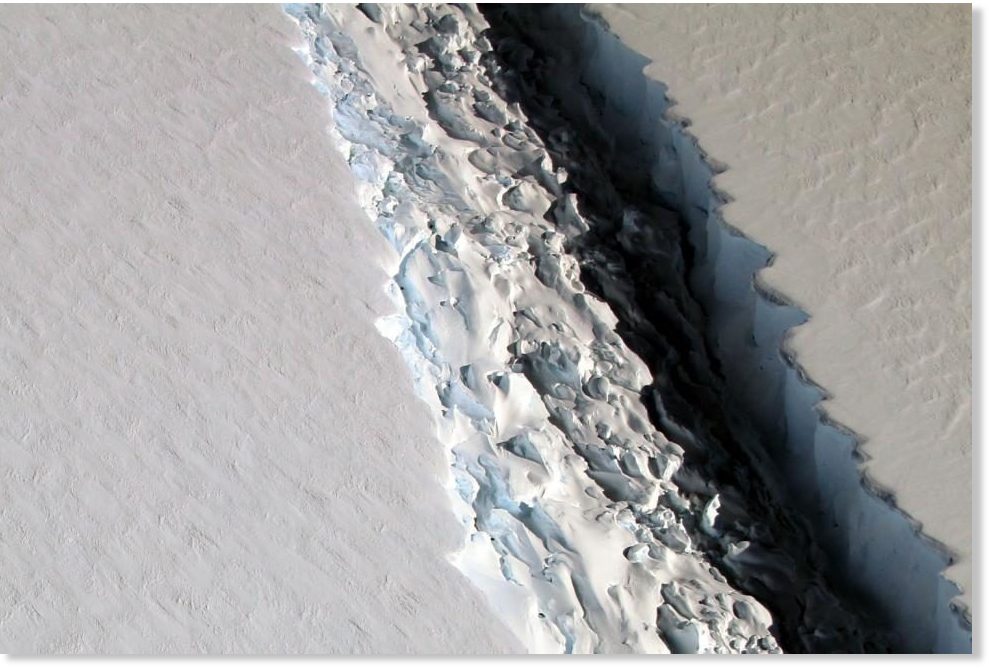
The massive A-68 iceberg originally split from the Larsen C ice shelf in July of 2017.
© John Sonntag/UPIThe massive A-68 iceberg originally split from the Larsen C ice shelf in July of 2017.
The Antarctic iceberg A-68 has begun to spin. After a year-long standstill, the massive chunk of ice is on the move.

A-68 split from the Larsen C ice shelf last July. Scientists predicted the giant iceberg would begin to fragment shortly after its separation.

But over the last year, A-68 has remained mostly intact, anchored to the Bawden Ice Rise, a shallow seabed near the edge of the Larsen ice shelf. Scientists used satellite images to monitor the iceberg, but until now, there was little movement to report.

Now, just more than year after it first separated, A-68 is beginning to drift again.

Ice Cube

Adapt 2030 Ice Age Report: Arctic voyages thwarted by thick ice - Coast Guard issues warning

ice extent
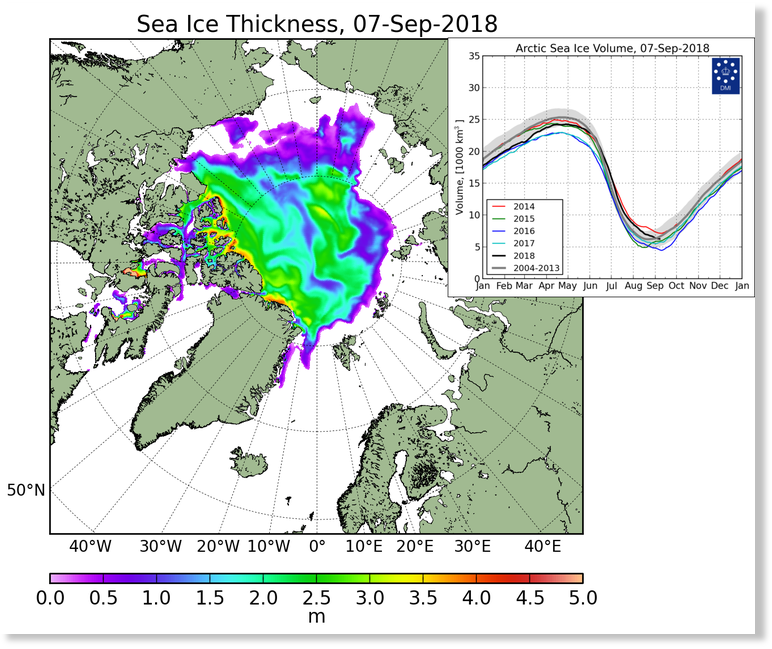
Northwest Passage is ice clogged and closed, Canadian Coast Guard WARNING do not attempt the passage or be prepared to overwinter in the Arctic. Maersk plans to run the Arctic with shipping vessels, but blacked by ice a well as 22 other pleasure craft. Above normal ice in NW Passage and 4th most ice on record since 2014. I don't think the corporate media is giving us all of the information.


Sources

Ice Cube

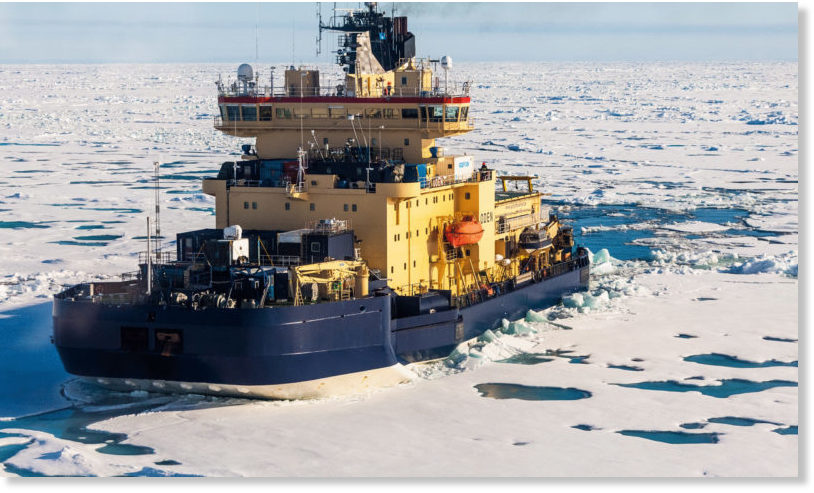
Icebreaker encounters most difficult ice conditions in 15 years in the Arctic

The Swedish icebreaker Oden on its way to the North Pole in August 2018.
© Alfred-Wegener-Institut / Mario HoppmannThe Swedish icebreaker Oden on its way to the North Pole in August 2018.
A Swedish icebreaker on the way to the North Pole has encountered heavy ice conditions and had to stop just before the North Pole.

The Swedish icebreaker Oden embarked to the North Pole from Svalbard last week but encountered difficult ice conditions not seen in one and a half decades.

The captain of the Oden icebreaker described the ice conditions as the most difficult in the past fifteen years.

The pack ice the ship encountered north of 80° was very dense, piled together through a months-long northward ice drift in the Central Arctic Ocean, meereisportal.de reports.

Overall, however, the Arctic's summer sea ice extent is again very small; the Oden hit the ice edge only at 82°N.