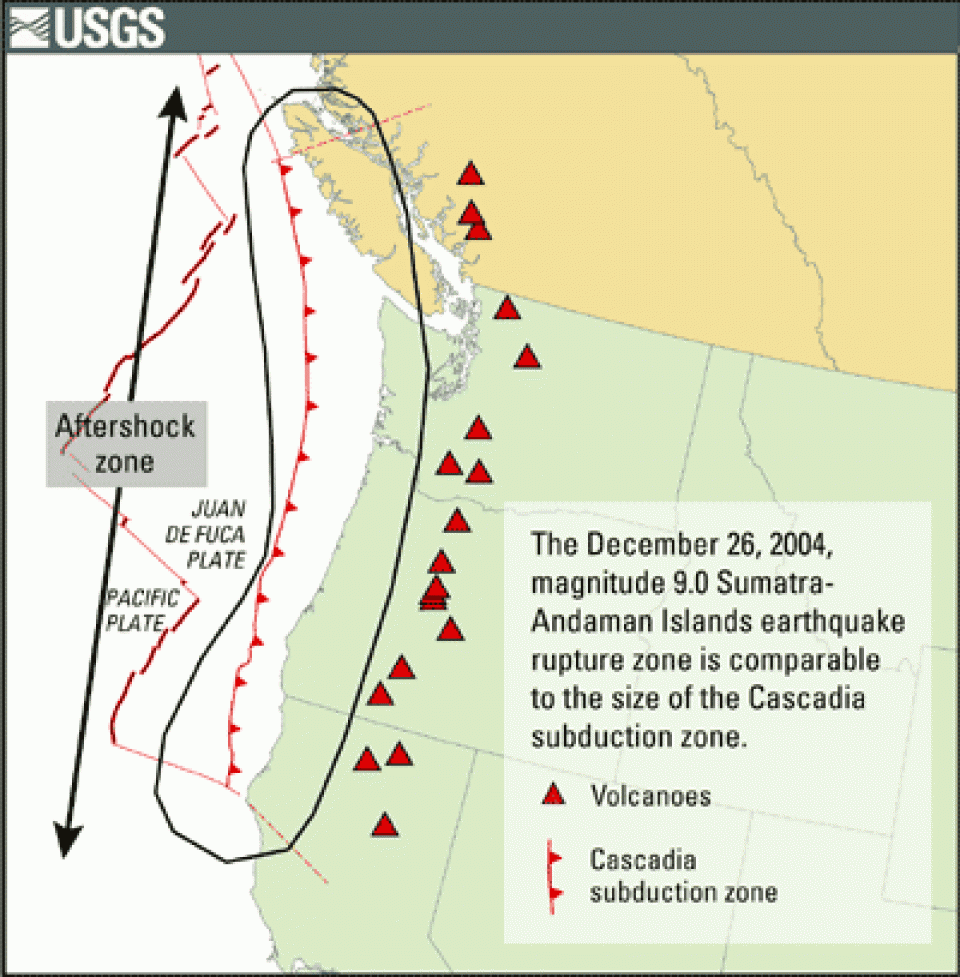
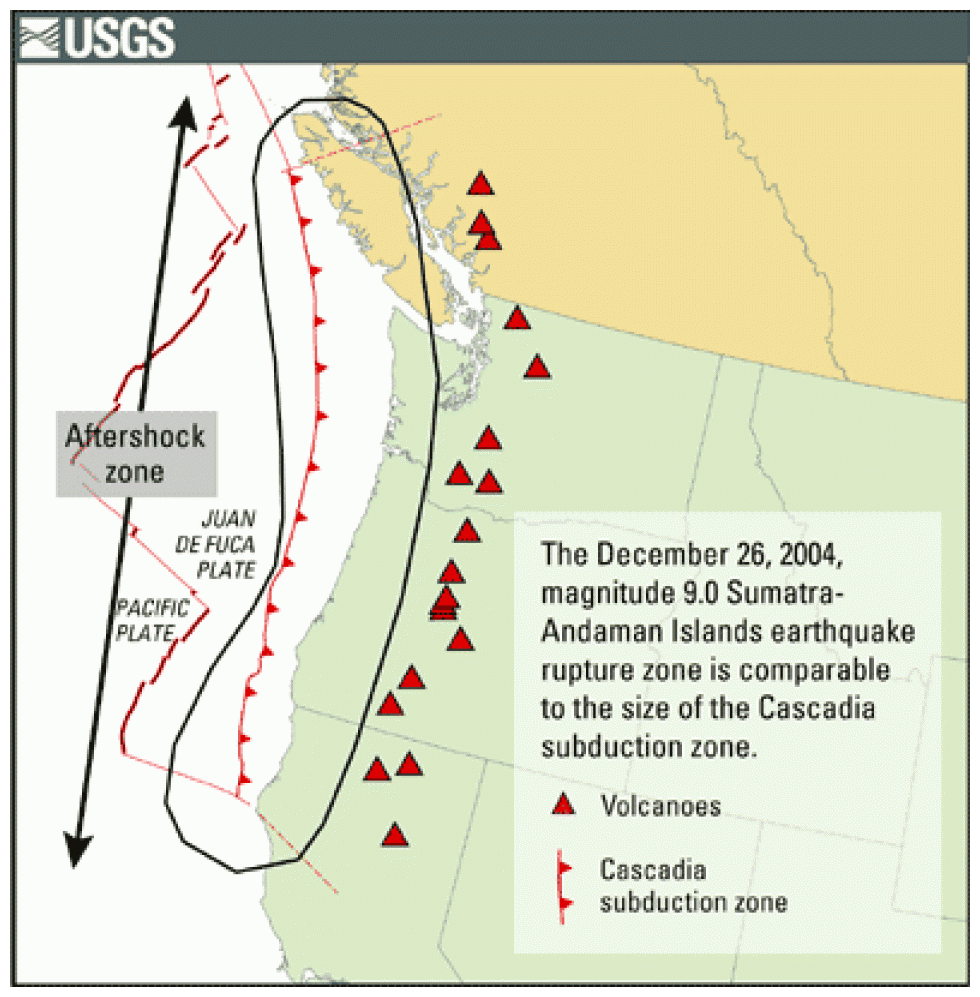
© American Geoscience InstituteScreenshot of a graphic showing the Cascadia Subduction Zone.
Red cedar "ghost forests," a Japanese villager's handwritten notes, and Native American oral histories:
They all offered clues that led scientists to precisely date the last megaquake that rocked the Pacific Northwest.It occurred on Jan. 26, 1700.Unraveling the clues was similar to being a detective investigating a "not-so-ancient geological crime," U.S. Geological Survey scientist Brian Atwater said during a presentation to a full house at LCC's Health and Science lecture hall Wednesday night.
But "there's an edge to this story," he said. "It's a frightening thing. ... The effects of the tsunami are not so pretty."
That is because the next quake could come at any time, though they recur on average every 500 years or so. But the intervals are highly variable, and researchers estimate that there's a 10 percent chance the region will be hit with the next magnitude 8 or larger earthquake within the next 50 years.
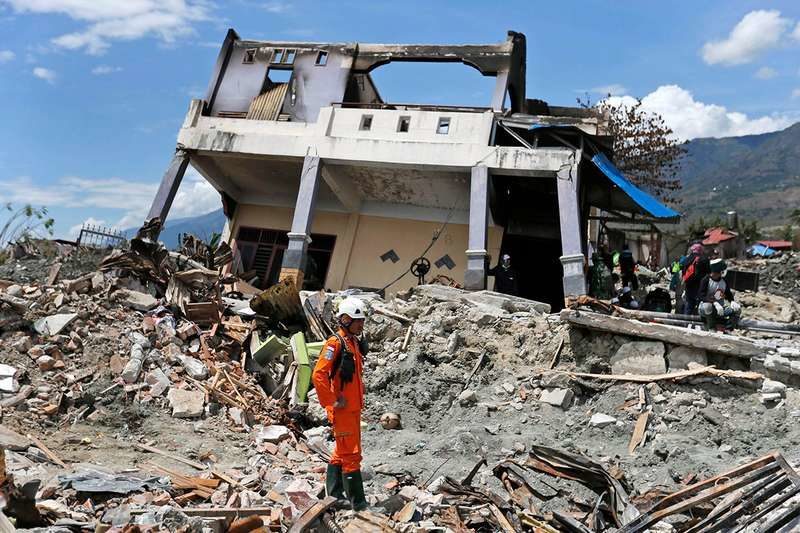
Whenever it occurs, it will shake the ground for several minutes from Vancouver Island to Northern California and churn up tsunamis that swamp coastal communities. Thousands may die, and the region's highway and utility infrastructure and thousands of buildings will collapse, geologists say.
Atwater is a pioneer whose research helped determine that giant "subduction zone" earthquakes have occurred in the Pacific Northwest in the past and will do so again.


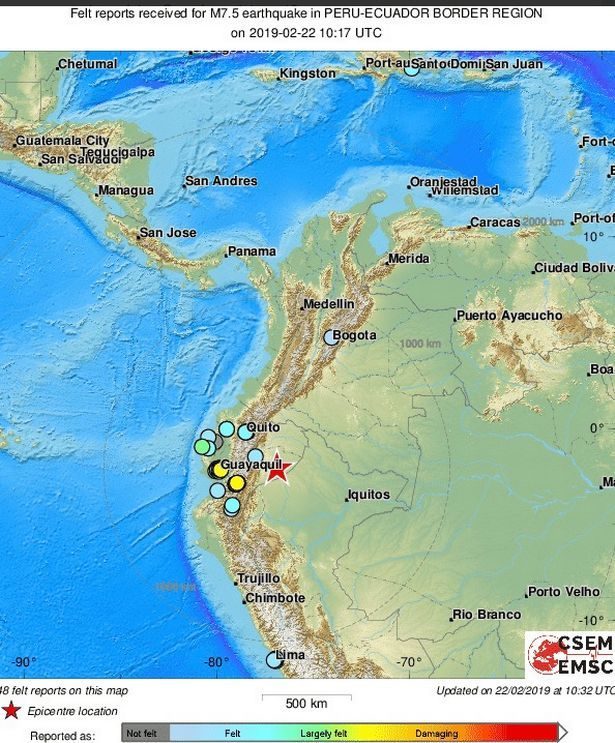
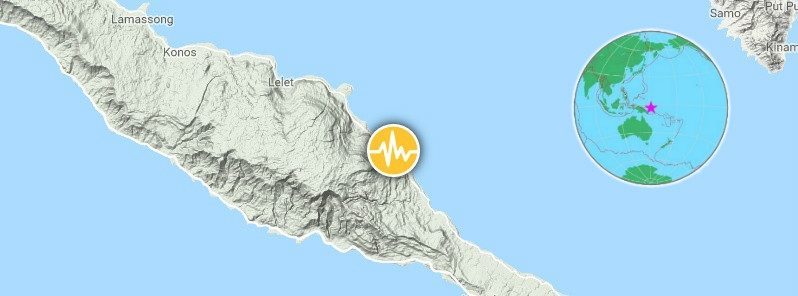



Comment: Massive M7.5 earthquake strikes Ecuador-Peru border