Health & WellnessS


Cupcake Choco

Surprise, surprise: Eating junk food raises risk of depression, says multi-country study

fast food
© Philip Toscano/PAThe study found that foods containing a lot of fat or sugar, or was processed, led to inflammation not just of the gut but the whole body.

Analysis of 41 studies leads to calls for GPs to give dietary advice as part of treatment


Eating junk food increases the risk of becoming depressed, a study has found, prompting calls for doctors to routinely give dietary advice to patients as part of their treatment for depression.

In contrast, those who follow a traditional Mediterranean diet are much less likely to develop depression because the fish, fruit, nuts and vegetables that diet involves help protect against Britain's commonest mental health problem, the research suggests.


Comment: The growing body of evidence that nutrition has a causative effect on mood should be enough for most people suffering from depression to at least attempt a dietary intervention. But rather than go for the Mediterranean Diet, or other plant-based approaches, there may be a more logical diet that is, at least anecdotally, having great success.

See:


Cards

The House of Cards is Falling: The shake up at Cochrane

Peter Gotzsche
The international scientific network now known as Cochrane (formerly the Cochrane Collaboration)-which every year churns out hundreds of influential systematic reviews geared toward health policy-making-is not the type of organization that typically makes news headlines. Of late, however, Cochrane's vaunted edifice of credibility has been visibly crumbling as the organization deals with mounting questions about whether it is as free from conflicted funding and industry-favorable bias as it likes to claim.

In the latest scandal to hit the broadsheets, Cochrane's Governing Board has expelled Peter Gøtzsche, the Danish physician-researcher who helped found Cochrane 25 years ago while also launching and leading the Cochrane-affiliated Nordic Cochrane Centre. Four other members of the 13-member Governing Board immediately resigned (see table) in protest at the Board's decision which was reached by a bare majority of voting members-six to five-with one other member abstaining (and Gøtzsche absent by Board order.) In a three-page letter announcing his unprecedented expulsion and Cochrane's "moral governance crisis," Gøtzsche noted that "in just 24 hours the Cochrane Governing Board of thirteen members has lost five of its members, four of which are centre directors and key members of the organization in different countries." (Subsequently, one more Governing Board member and a Cochrane Steering Group member also "voluntarily stepped down.")

Comment: Read more from Dr. Peter Gøtzsche:


Syringe

Strange Bedfellows: GMO & Vaccine Partnerships

Astroturfing
Over the years, I've written a number of articles outing industry front groups1 such as the Genetic Literacy Project, the American Council for Science and Health (ACSH),2 Science 2.0, GMO Answers, Independent Women's Forum, Science Codex, Center for Consumer Freedom and the Center for Inquiry.

Once you start to investigate these front groups, you'll find the same names appearing again and again, co-writing articles, interviewing each other and referring to each other's work in a closed loop.

I've also written about academics and journalists who, while presenting themselves as independent experts, are actually shills for industry. This is a fairly close-knit group of individuals, so the worst actors are not hard to identify based on their associations.

Sun

Aboriginal Foodies: The chef transforming society through gastronomy using 60,000-year-old recipes

indigenous people
Top chef Jock Zonfrillo has collected ideas and ingredients from indigenous people
A Scottish-born chef has won an international culinary prize by using ingredients and cooking techniques learned from indigenous Australian people.

Jock Zonfrillo has visited hundreds of remote communities in Australia to understand the origins of ingredients and their cultural significance.

The Scottish-Italian cook, who runs the top-rated Orana restaurant in Adelaide, is this year's winner of a prize that recognizes culinary projects for their social value - in terms of education, research, health or the environment.

The Basque Culinary World Prize, with 100,000 euros (£89,000) for the winner, takes a different interpretation of the idea of a celebrity chef.

Mr. Zonfrillo's restaurant might have been rated as one of the best in the world, but this unusual gastronomic prize is for his work for the culture and rights of indigenous communities in Australia.

Health

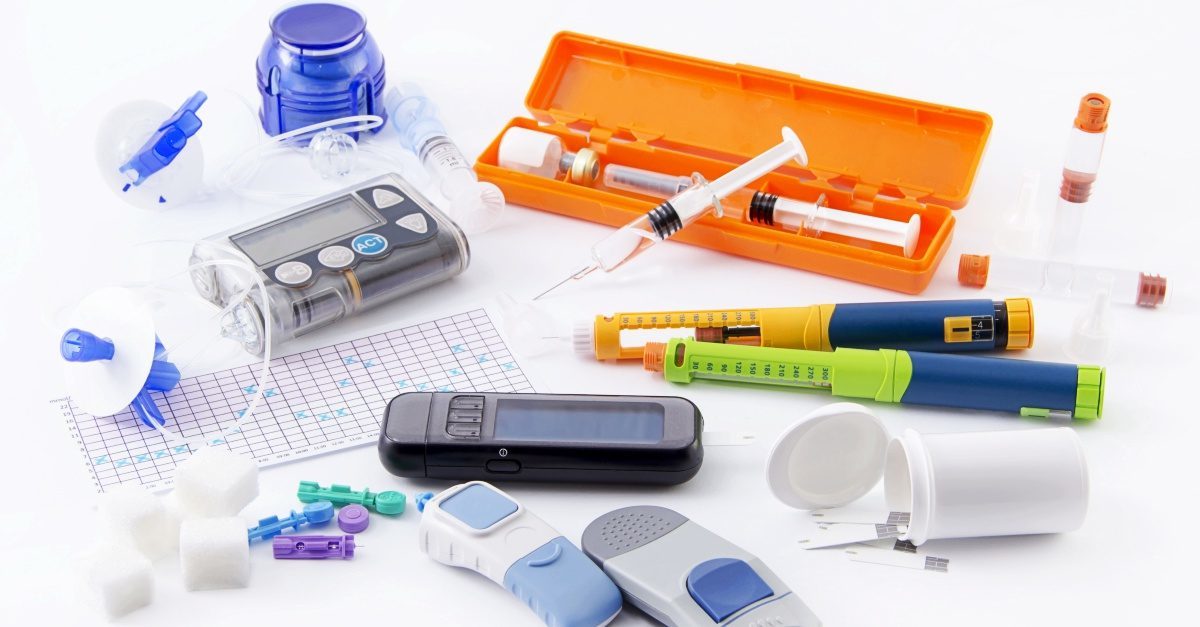
The link between diabetes meds and flesh-eating genital infections

diabetes meds
The number of individuals suffering from diabetes continues to rise. In 2012, 20 million Americans had diabetes or prediabetes.1 According to the Centers for Disease Control and Prevention (CDC),2 the number is now over 30 million. This includes 23.1 million diagnosed and 7.2 million who are unaware of their condition.

Statistics also indicate there are 84.1 million adults with prediabetes. Interestingly, the estimated percentage of those with Type 1 diabetes has remained stable at 5 percent.3 Total medical costs and lost work and wages are estimated at $245 billion, and the risk of death for adults with diabetes is 50 percent higher than for nondiabetic adults.4

The rapid rise in prevalence strongly suggests Type 2 diabetes is not due to genetics. Insulin and leptin resistance are the foundational causes of diabetes. High blood sugar is merely a symptom thereof.

It is essential to make a point of discussing this condition frequently, as it is one of the greatest health threats facing much of the world, while also being one of the easiest to treat with simple lifestyle strategies.

Brain

Increasing muscle strength can improve brain function

weight training
A recent study by the University of Sydney has revealed that Increased muscle strength leads to improved brain function in adults with Mild Cognitive Impairment (MCI).

With 135 million people forecast to suffer from dementia in 2050, the study's findings - published in the Journal of American Geriatrics today - gives an idea on the type and intensity of exercise that is recommended for our growing ageing population.


Mild Cognitive Impairment is defined by people who have noticeably reduced cognitive abilities such as reduced memory but are still able to live independently, it is often an early sign to Alzheimer's disease.

Comment: The connection between improving strength and cognitive fitness are just beginning to be understood. Despite the dominant reductionist view, which separates body into different systems for study, it's no real surprise that the two would be related: healthy body, healthy mind.

See also:


Health

Chaga mushroom tea: The many benefits of this health-boosting beverage

chaga mushroom
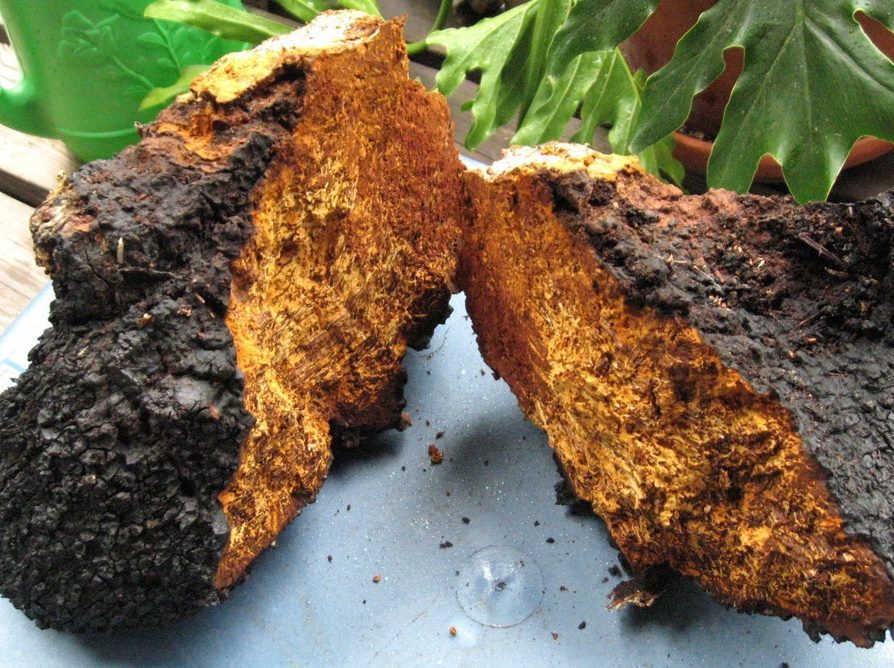
Chaga mushroom
Are you tired of drinking the same old tea over and over? Chaga mushroom tea may be a good option for you. Chaga tea has been used in Russia and other Baltic countries for hundreds of years to boost immunity and improve overall health.1 It is now gaining popularity in Western countries, as numerous studies are touting the nutritional components of chaga mushrooms. Continue reading this article to learn more about the impressive health benefits of chaga tea and how you can include it in your daily routine.

What Is Chaga Tea?

Chaga (Inonotus obliquus) is a parasitic fungus commonly found in cold climates, typically in Siberia, Alaska and Northern Canada.2 It is usually attached to birch trees, with the infection eventually killing the tree and the mushroom dying soon after.3

Trees infected with it develop a black growth on their bark reminiscent of charcoal, with a brown interior.4 Chaga mushrooms come irregularly shaped and cracked with a distinct cork-like texture. They typically grow within arms' reach, making them easily accessible for harvest. However, in some instances the mushrooms may grow at heights of 10 to 30 feet.5

Comment: Because of its similar profile to coffee, many people enjoy chaga tea as a coffee substitute, complete with blended butter and MCT oil, to make a bulletproof chaga concoction.

See also:


Brain

CDC say Alzheimer's disease and dementia cases to double by 2060

CDC logo
© David Goldman, APThis Nov. 19, 2013 file photo shows a Centers for Disease Control and Prevention logo at the agency's federal headquarters in Atlanta.
The number of people projected to have Alzheimer's disease or dementia in the United States is expected to double by 2060, a study from the Centers for Disease Control and Prevention says.

In 2014, there were 5 million people in the U.S. with Alzheimer's or dementia. The CDC estimates by 2060, that number will grow to 13.9 million.

"Early diagnosis is key to helping people and their families cope with loss of memory, navigate the health care system, and plan for their care in the future," CDC Director Dr. Robert R. Redfield said in a statement.

Comment: See also:


Health

Apple Cider Vinegar: Nectar of the gods?

Apple Cider Vinegar
© Madeleine Steinbach/Shutterstock.comSome people love apple cider vinegar and believe it to be an aid to weight loss.
When my brother and I were kids back in the '80s, we loved going to Long John Silver's.

But it wasn't just for the fish.

It was for the vinegar - malt vinegar. We would uncap a bottle at the table and swig that tangy, delicious nectar of the gods straight.

Are most of you repulsed? Probably. Were we way ahead of our time? Apparently.

Some social media and online searches would have us believe that drinking vinegar is a cure-all. Our friends and colleagues will regale us with stories of the healing power of apple cider vinegar for whatever problem we may have just mentioned. "Oh, that backache from mowing? Vinegar." "That last 10 pounds? Vinegar will melt that right off." "Syphilis, again? You know it - vinegar."

Comment: Read more about the benefits of Apple Cider Vinegar:
32 health benefits of apple cider vinegar

Top uses for apple cider vinegar backed by science


Life Preserver

Regular sauna use lowers risk of disease

Finish Sauna
© Mikkel Aaland – Sauna Digest
Heat stress is an important way of optimizing heat shock proteins (HSP) inside your cells that trigger mitochondrial biogenesis, thereby supporting your overall health, especially your cardiovascular, cardiac and brain health.1

Over time, HSP are damaged and need to be renewed. An accumulation of damaged HSP may lead to plaque formation in your brain or vascular system, and heat stress helps to prevent this chain of events.2 HSP are also involved in longevity, and are important for preventing muscle atrophy.

Not surprisingly, much of the research has come from Finland, where most Finns3 take a sauna at least once a week, and saunas are found in most private homes and even places of work.4 Known as a "poor man's pharmacy," saunas offer proven health benefits virtually anyone can enjoy.