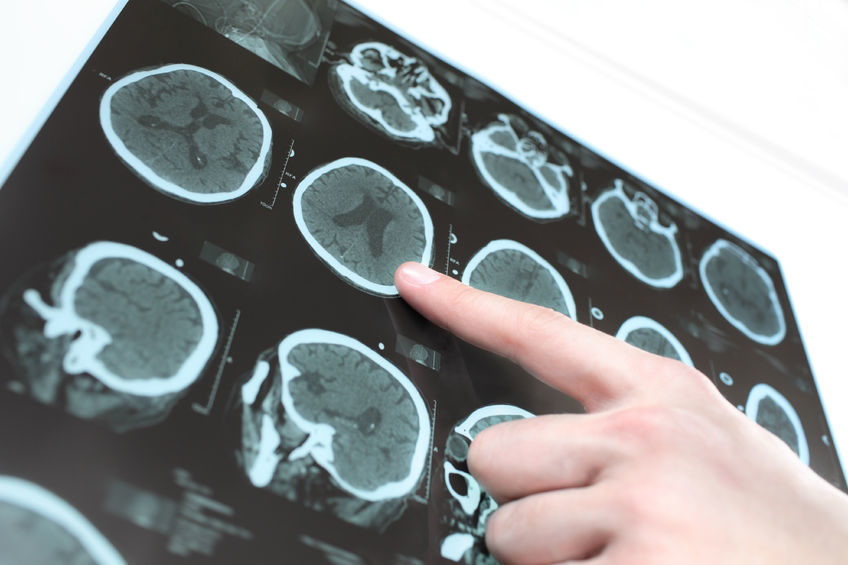
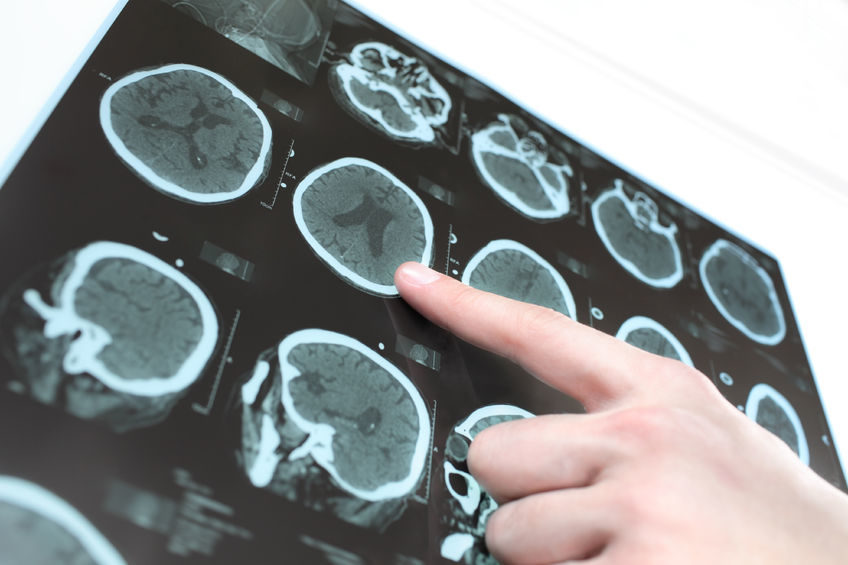
The present study demonstrates that the use of Ca-containing dietary supplements, even low-dose supplements, by older adults may be associated with greater lesion volumes.
Most calcium supplements are just plain bad news. The idea of taking calcium in pill or tablet form to "keep the bones strong" just doesn't make that much sense given, first, that
we are designed to get our calcium from food. Second, our bone is a living tissue, which
requires vitamin C, amino acids, magnesium, silica, vitamins D and K, etc., not to mention regular physical activity, just as much as it does calcium. Taking calcium to the exclusion of these other critical factors doesn't make sense; nor does it make sense to look at osteoporosis or osteopenia (
a misleading term) as a deficiency of calcium supplements!
As we have reported on extensively in the past, not only is consuming limestone, bone, and the shells of oysters and eggs not a good idea because the calcium can deposit in our soft tissues
leading to heart attacks and strokes, but even the goal of maintaining bones as dense as a
25-year old late into life (known as the T-score) is fraught with danger, including a far
higher breast cancer risk for those with the highest bone density. Instead of pathologizing aging, and focusing on making the bone denser by any means necessary, the
focus should be on bone quality and agility and bodily self-awareness late into life, which helps the elderly prevent the falls that lead to fracture in the first place. In other words,
simply having a gait or vision disorder can be at least as an important factor in fracture risk as bone mineral density.
The problem with poor quality, inorganic, calcium supplements, however, does not stop with their contribution to cardiovascular disease risk. A combination of factors including low magnesium, vitamin K2 and the presence of fluoride in the water and diet can lead to
pineal gland calcification, as well as the calcification of other brain structures, which recently has been
hypothesized to be a contributing factor in the pathogenesis of Alzheimer's disease.














Comment: See also: