OF THE
TIMES

"For individuals who started the schedule and who attend for vaccination at a site where the same vaccine is not available, or if the first product received is unknown, it is reasonable to offer one dose of the locally available product to complete the schedule."However, the protocol does reiterate that receiving a second dose of the same vaccination is preferable, noting that a different inoculation should only be used if the patient is at "immediate high risk" or is considered "unlikely to attend again." "In these circumstances, as both the vaccines are based on the spike protein, it is likely the second dose will help to boost the response to the first dose," it explained.
"The New York Times really does have it in for poor old Britain, doesn't it? Not content with portraying Brits as boiled mutton eating swamp dwellers..."

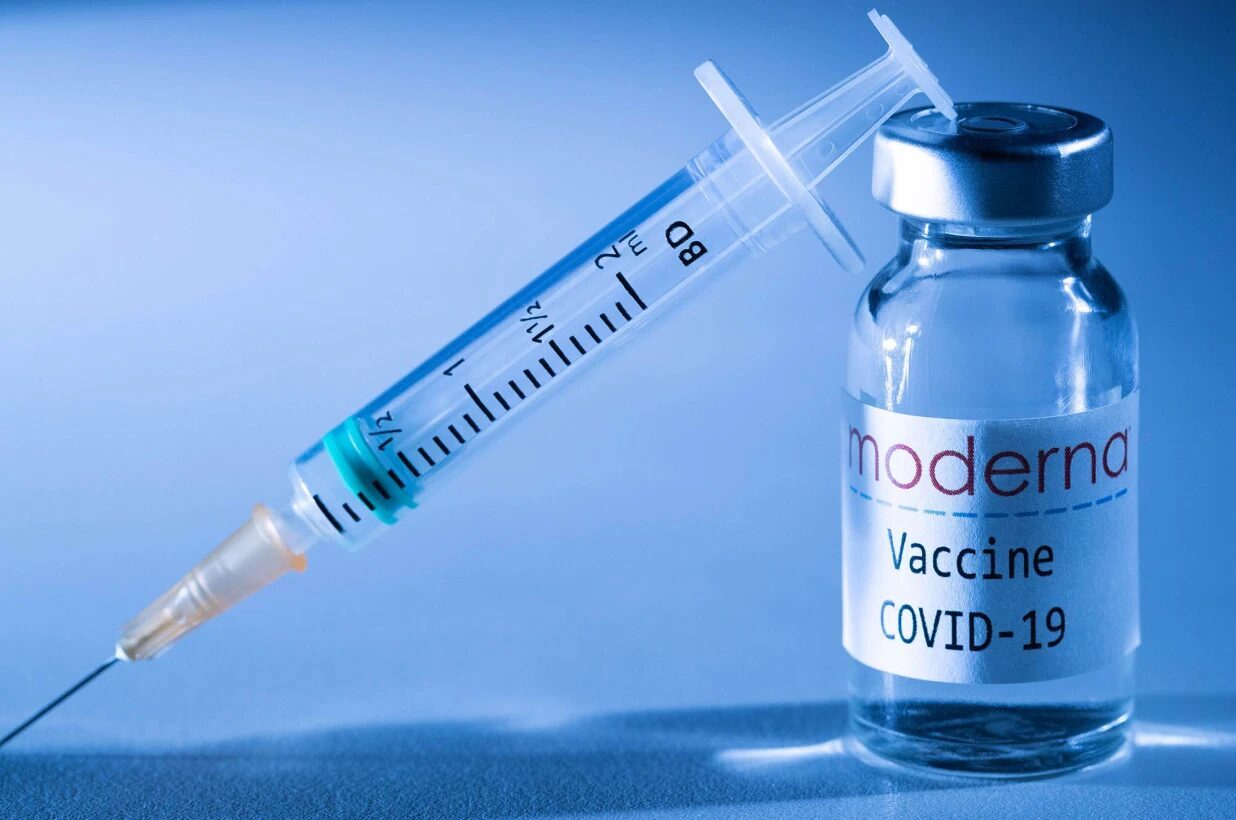
As the highly touted Covid vaccine makes its way into the arms of nurses, doctors, elderly, and others who are immuno-compromised, it appears as though it isn't as effective as we were led to believe. An ER nurse in San Diego received his Covid vaccination last week. Seven days later, he started feeling symptoms, and tested positive for the virus the next day.See also:
Cue the experts, who tell us this isn't uncommon, it's what they expect, and this is only one of many cases where a vaccinated individual still contracted the virus.
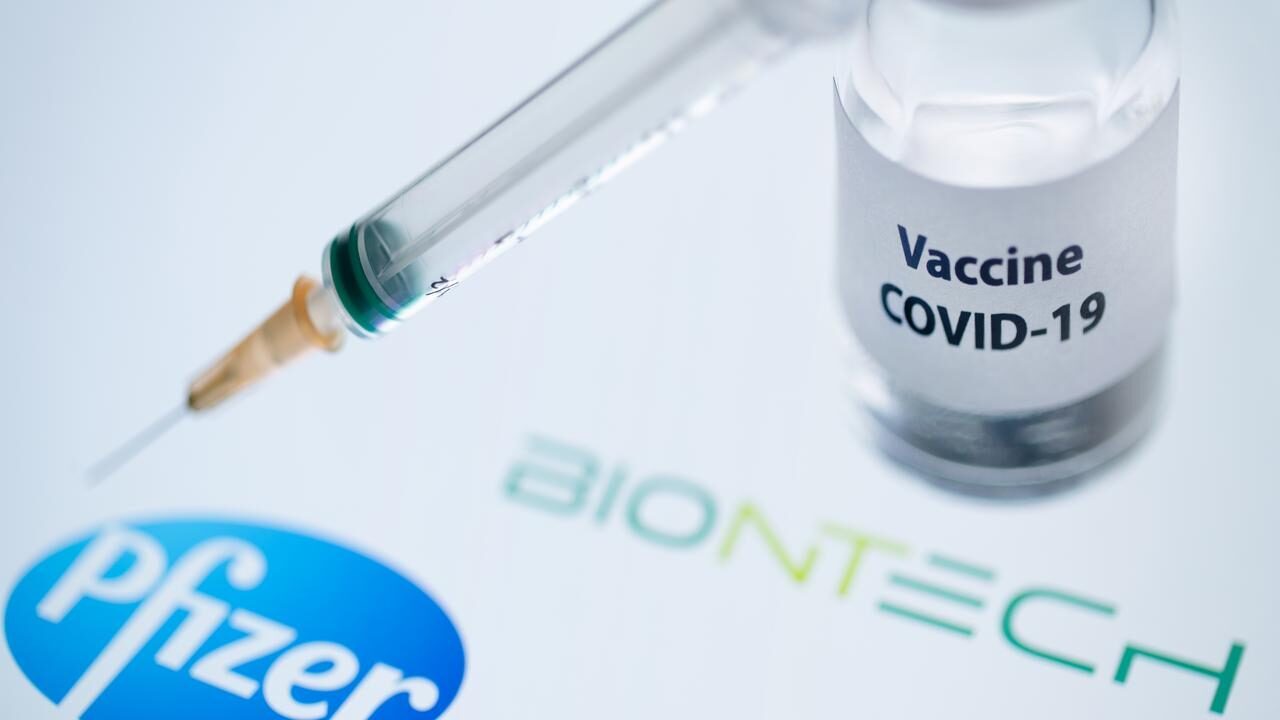
UPDATE: We're being told that all along doctors and Pfizer have said this is a two dose vaccine, and that the first dose could be ineffective. A second dose is necessary about 30 days later to acquire actual immunity. In the meantime, those who got the first dose are still susceptible to the virus.In a Facebook message posted on December 18, Matthew W., an ER nurse at two different local hospitals, talked about receiving the Pfizer vaccine that day. He told ABC 10News his arm was sore for a day but he suffered no other side effects.
Six days later on Christmas Eve — after working a shift in the COVID-19 unit — Matthew, 45, became sick. He got the chills and later came down with muscle aches and fatigue.
The day after Christmas, he went to a drive-up hospital testing site and tested positive for COVID-19.
"It's not unexpected at all. If you work through the numbers, this is exactly what we'd expect to happen if someone was exposed," said Dr. Christian Ramers, an infectious disease specialist with Family Health Centers of San Diego. He serves on the clinical advisory panel for the county's vaccine rollout.
Dr. Ramers says he knows of several other local cases where health care workers became infected around the time they received the vaccine. He says all the cases illustrate the fact that results aren't immediate. Even after you start receiving some protection, it won't be full protection.
"That first dose we think gives you somewhere around 50%, and you need that second dose to get up to 95%," said Dr. Ramers.


Comment: See also: