Earth ChangesS


Cloud Lightning

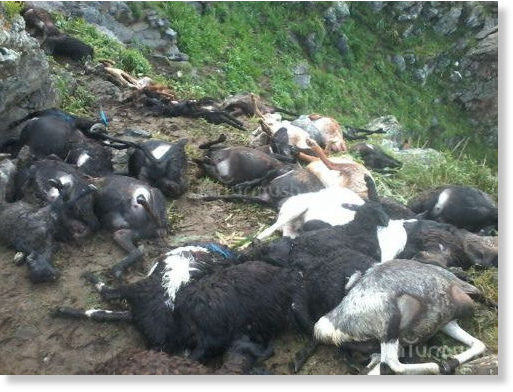
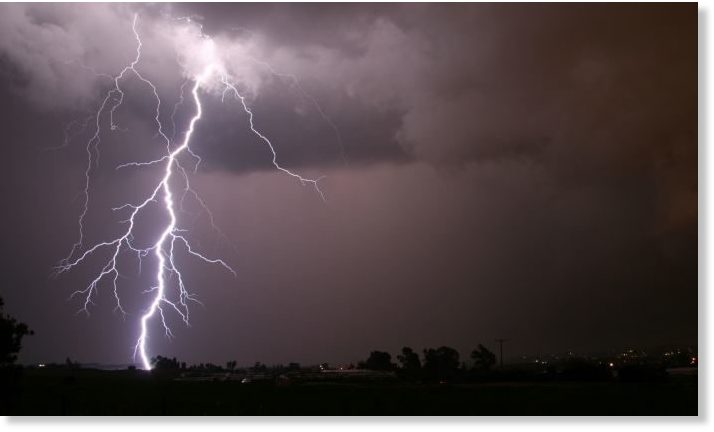
Lightning bolt kills 44 sheep, 12 goats in Kyrgyzstan

LIGHTNING
Lightning killed livestock in Tyup district of Issyk-Kul region, the Ministry of Emergency Situations of the Kyrgyz Republic reported.

Lightning killed 44 sheep and 12 goats on July 17 at 22:00 on the pasture "Suran" in Kuturgu village.

The local emergency department chief, district vice governor, veterinarian, workers of animal and plant protection department, 20 locals visited the place of the accident.

Dead animals were buried in a special place 6 km away of the village in presence of representatives of the civil defense commission, Turmush reports.
Lightning kills sheep

Fire

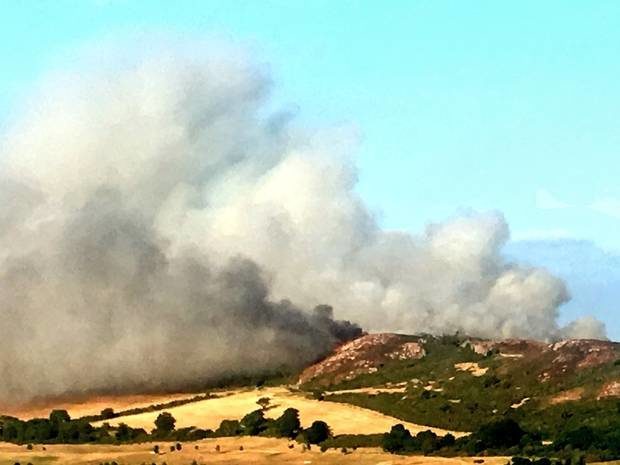
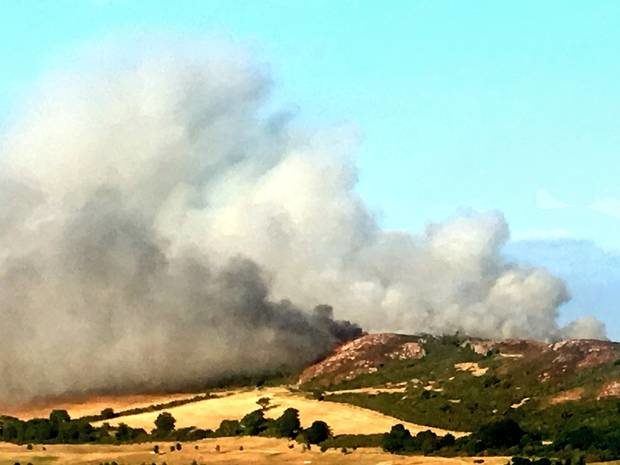
Wildfires rage for days following heatwave and drought on Bray Head, Ireland

wildfire bray head ireland
The Air Corps dumped more than 150,000 litres of water on Bray Head during a two-day operation to stop a wildfire that devastated sections of the popular hiking trail.
As they returned to Bray Head in Co Wicklow to douse flaring embers and reassure worried residents, Greystones firefighters were on their 88th callout since the heatwave and drought conditions took hold more than a month ago.

"When you think that everything you own is going to go up in flames, it's pretty scary," said one resident, looking on as, for the umpteenth time since the blaze took hold last Friday, the part-time firefighters dropped what they were doing and rushed out to help.

The damage of the past four days could have been more severe had it not been for their hard work, and the foresight of Mark Kopik. The landowner, anticipating the inevitable, cut fire breaks through the gorse in the hope that if a fire broke out, he could slow its pace. The goal was achieved.

Nonetheless the strength of the fire, and particularly the strength of the south and southwest winds on Saturday, saw the blaze spread and devour virtually all the growth on the southern slope of Bray Head.

Comment: It seems the increasingly erratic weather patterns which brought a brutally cold and wet winter, followed by epic flooding in spring, is now bringing heatwave and drought conditions throughout Europe, and is contributing to a year on year increase in widlfires; that, and the erroneous environmentalism which has banned controlled fires:


Ice Cube

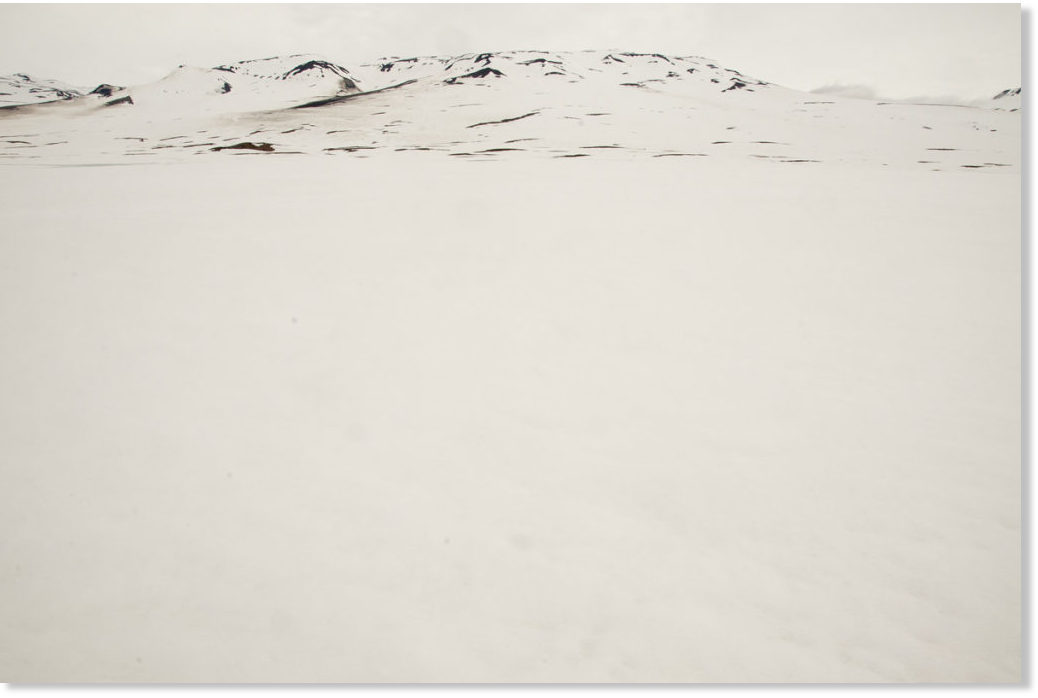
Adapt 2030 Ice Age Report: 50 days in a row Arctic temperatures below normal

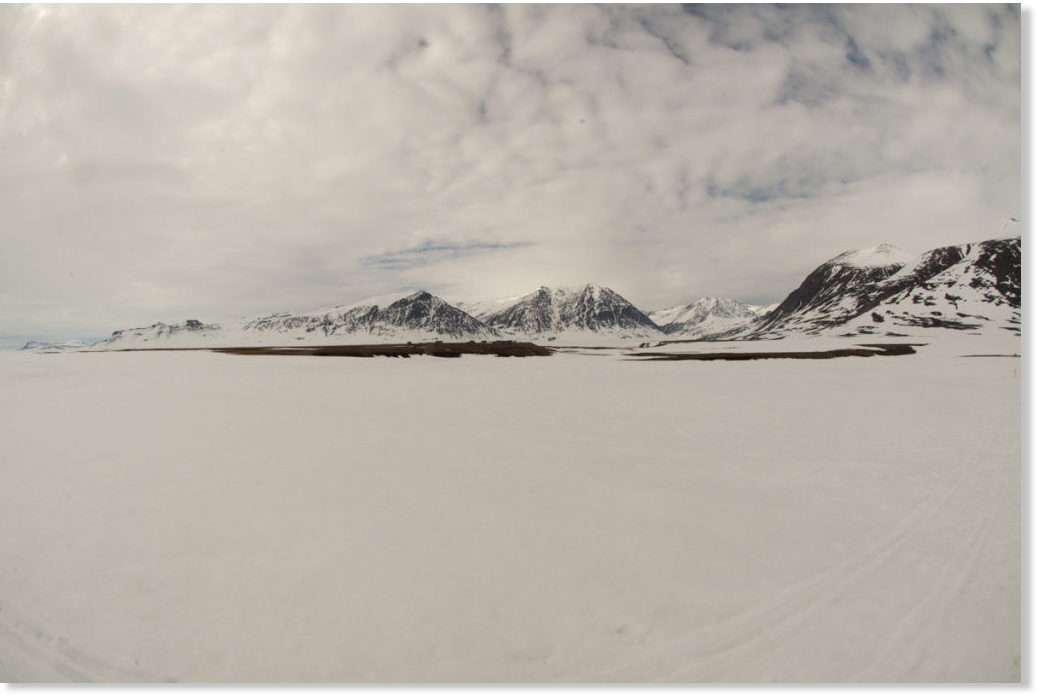
NE Greenland: in mid-June 2018 the tundra surface was close to 100% covered in snow.
© Jeroen ReneerkensNE Greenland: in mid-June 2018 the tundra surface was close to 100% covered in snow.
From the Danish Meteorological Institute (DMI) it is now more than 50 Days in a Row Arctic Temperatures Below Normal. This is the entire 80N latitude to the North Pole 90N across the entire top of our planet. Hard to believe its the hottest year ever with these numbers, additionally sea surface temperatures are not showing signs of extreme heat. Difficult to have a hot planet without hot oceans.


Sources

Cloud Grey

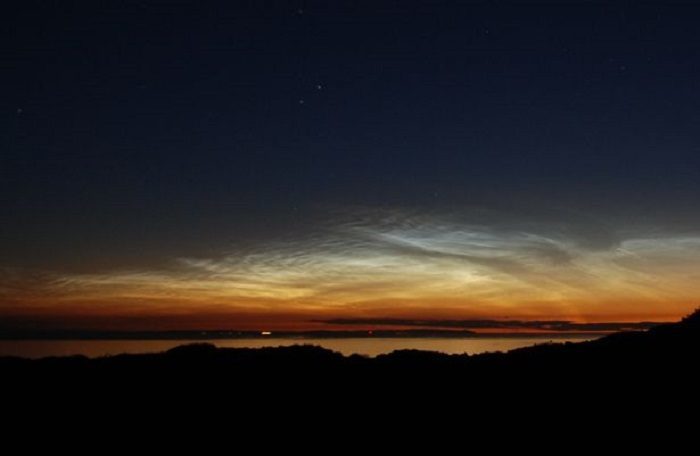
English astronomer reports photographing more noctilucent clouds in past six weeks than last three years

Noctilucent clouds over Wales
© John Rowlands
It looks like the 2018 noctilucent cloud season is drawing to a close, writes Stuart Atkison. The season runs from the beginning of June through to the end of July, but after a flurry of activity, when we saw noctilucent clouds shining and glowing blue in the northern sky for almost ten nights in a row, there have been no major displays for the past week.

Although it's possible we may see more displays - and we still haven't had a jaw-droppingly spectacular 'storm' yet - 2018 might be past its best. If it is, we can't complain; I've seen and photographed more NLC displays in the past six weeks than in the last three years. But we'll see what happens. Keep an eye on the northern sky on any and every clear night over what's left of July, just in case the season decides to go out with a bang.

Comment: See also: Are noctilucent clouds increasing because of the cooling climate, and the rise of fireball and volcanic activity?


Ice Cube

Adapt 2030 Ice Age Report: Greenland the Summer that never was: Shifting jet streams?

On 27 June 2018, the Zackenberg valley was still completely covered with ca. 1 meter deep snow. The vicinity of the research station visible in the middle of the photo was the only area freed of snow.
© Jeroen ReneerkensOn 27 June 2018, the Zackenberg valley was still completely covered with ca. 1 meter deep snow. The vicinity of the research station visible in the middle of the photo was the only area freed of snow.
Shifting jetstreams seem to be causing new climate patterns to form, pronounced effects are being seen in Greenland where July snows and incredibly late freezes have left migrating and nesting birds no open ground. The usual migratory stop over is covered in snow.

Add to this, 60% losses of blueberries in Nova Scotia, 45% price increases in Balsamic Vinegar due to European grape losses and you can see why hail nets are the new norm for crops and our world is woefully unprepared for these changes.


Sources

Comment: See also: Global cooling: Excessive spring snowfall results in non-breeding year for shorebirds in north-east Greenland - 1 meter deep snow


Tornado2

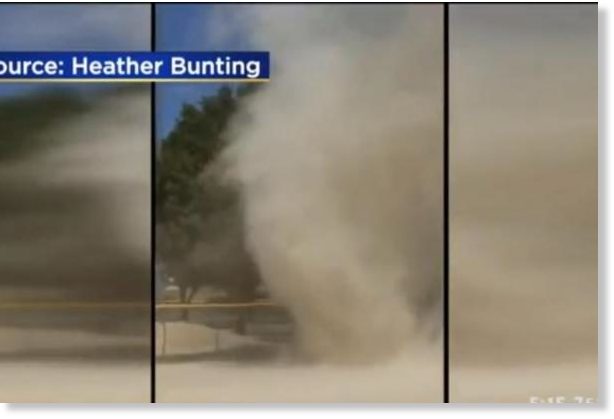
Powerful dust devil sweeps through baseball field in Oak Grove, Missouri

dust devil
A little league team's post-championship game photo shoot was interrupted by a dust devil that swept onto the baseball diamond.

Heather Bunting, who captured video of the whirlwind, said her 10-year-old son, Adin, and his team were posing for pictures in Oak Grove when they were upstaged by the weather.

"We had just gotten done taking pictures of the boys with their parents and trophies, and all of a sudden, my son said, 'coach, look over there!'" Bunting told WDAF-TV.


Camera

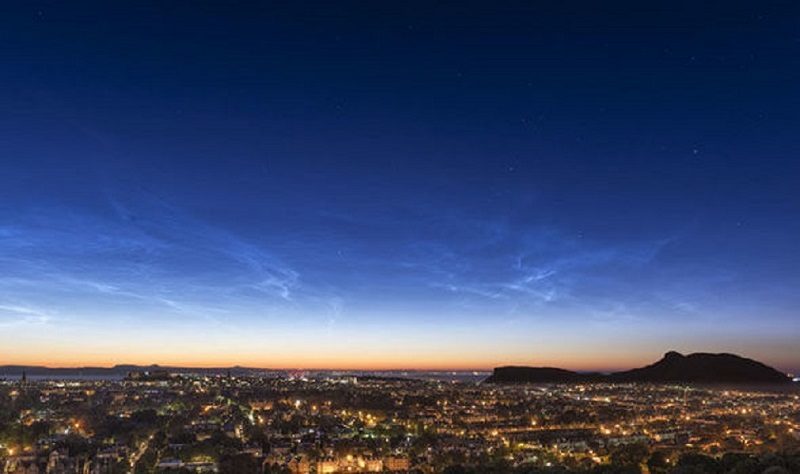
Scottish photographer captures noctilucent clouds over Edinburgh

Noctilucent clouds over Scotland
© Tom Duffin/SWNS
Noctilucent clouds, which can only be seen at night when lit up by the setting sun for a few weeks each year, were caught on camera by photographer Tom Duffin, 48.

Mr Duffin had to stay up until 1am to get the perfect shot of the uniquely positioned clouds, which form five times higher than normal cloud level - 50 miles above ground level.

The Scottish photographer set up shop in both urban and rural locations to make sure he got the perfect shots - gazing out on Arthur's Seat in Edinburgh and looking out on the Firth of Forth estuary.

Mr Duffin said: "The noctilucent clouds only appear during the two weeks either side of the longest day of the year, and even then only every four to five days.

Tornado2

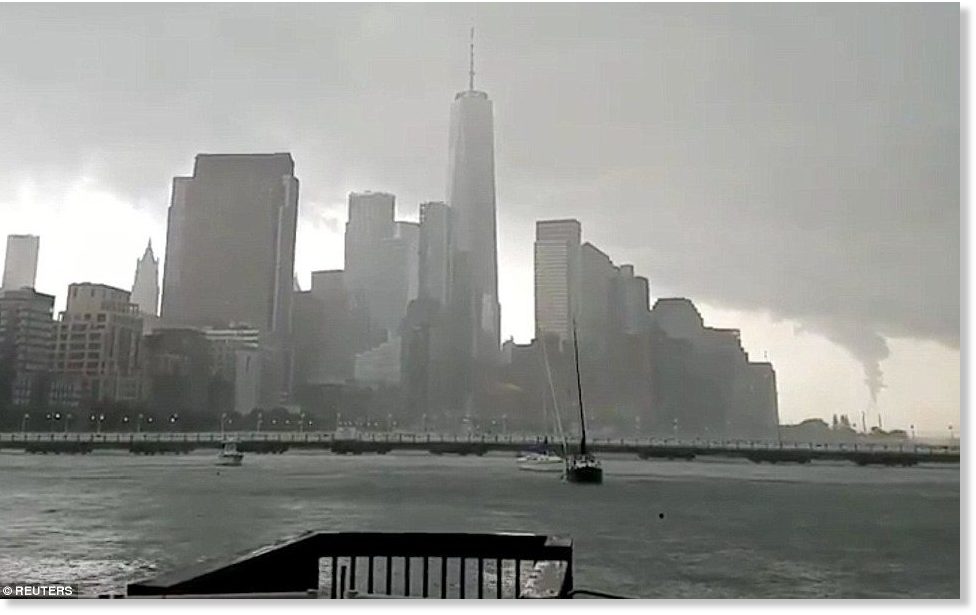
Rare funnel cloud forms over New York harbor as thunderstorms hit the NE

A funnel cloud (seen right from New Jersey) formed over New York Harbor on Tuesday afternoon, but did not touch down
A funnel cloud has formed over New York Harbor, as a line of summer thunderstorms caused flooding and travel chaos across the Northeast.

The ragged funnel cloud was spotted from both Brooklyn and New Jersey circulating over the water on Tuesday afternoon.

The National Weather Service said in a statement that 'there was no apparent sign of the circulation touching the water'. There were no reports of damage.

The rains stopped on Tuesday evening for much of the region as the storm moved off to sea, but not before delivering misery for air travelers and commuters and threatening to delay the start of the MLB All-Star game.


Tornado2

'It looks like it will catch us': Russian fishermen video stunning waterspout over the Black Sea

Waterspout
© instagram.com/cherniavskypaul
They got their viral video, but maybe these Russian fishermen should have moved away a bit faster.

"A whirlwind. A Twister. 500 meters from us. Very beautiful. It's huge," said Pavel Chernyavsky, as he narrates his Instagram video, geolocated off the coast of Gelendzhik in the Black Sea.

"Maybe it will catch up with us," he joked in the next sentence, though the slightest note of genuine concern could be heard in his voice. He then points to a second twister, noting that the other column of wind-spun water is black, not white like the first one.


Tornado2

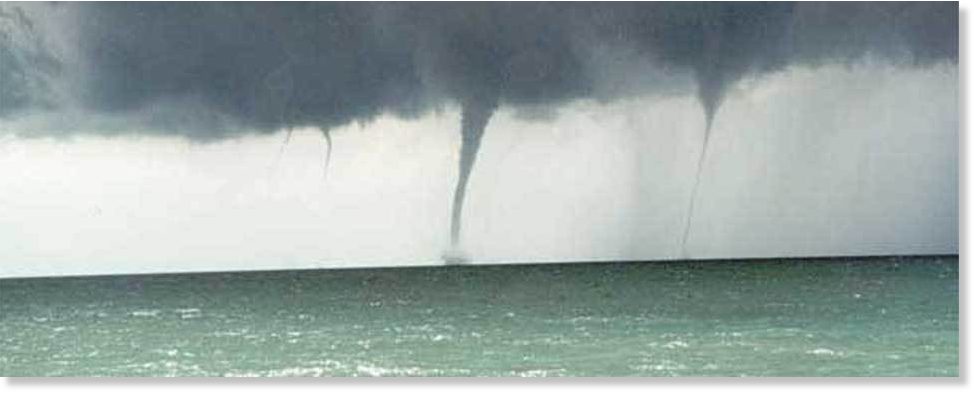
Two waterspouts in two days seen off Alabama coast

Waterspouts most common off the Alabama coast in June, July and August.
© NOAA file photoWaterspouts most common off the Alabama coast in June, July and August.
Waterspouts are nothing new along the Gulf Coast, but two have been sighted in the past two days near Fort Morgan.

Here's the one from Tuesday: