© Blue Moon of Shanghai
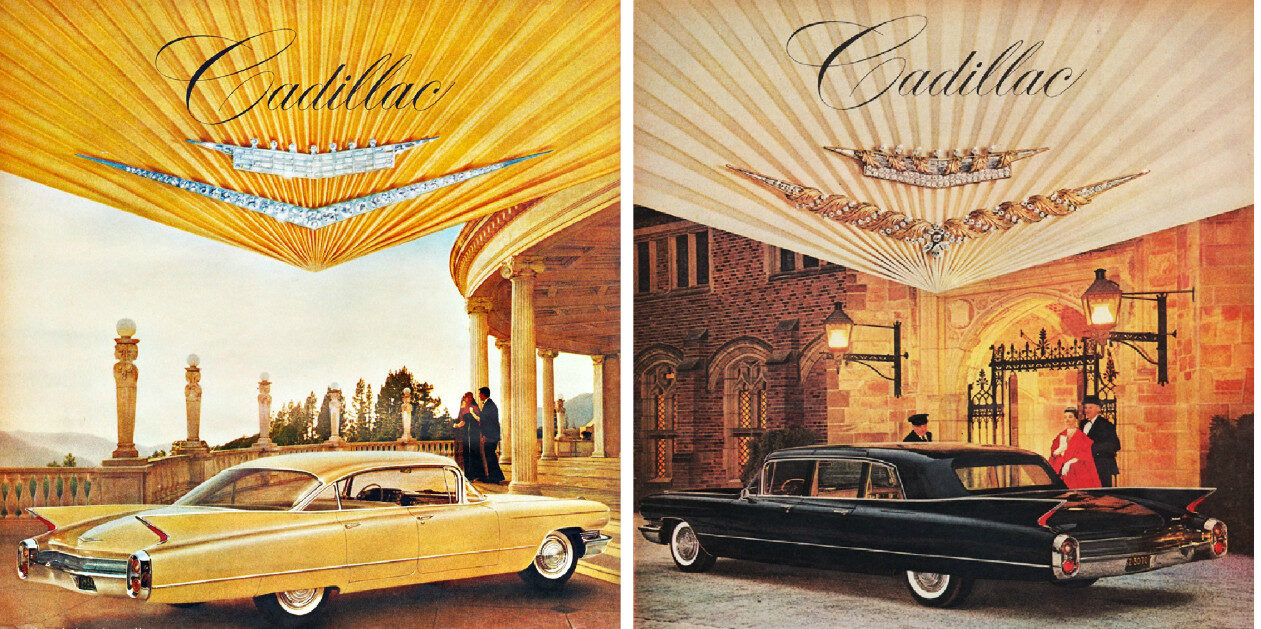
If we were to try to identify one point in US history where superficiality took root in America, it might well be a speech by an American salesman named Elmer Wheeler who in 1937 coined the now-famous maxim of "Don't sell the steak - sell the sizzle!". For those who don't know, the sizzle is the sound made by a steak when it is first tossed onto a hot barbeque. His idea had merit. Looking at a photo of a steak or listening to a radio commercial about steaks would be unlikely to generate much immediate purchasing response, but hearing that sound might well recall fond memories and persuade shoppers to head for the supermarket.
His theory was that it isn't the simple product that generates a purchase but rather our emotional response to some element of that product.Of course, it was American Jews who more or less created marketing, and Bernays' advertising wizards were not slow to adapt Wheeler's advice to virtually every product in existence. But, as with most things American, they didn't know when to quit, and carried the process far past the end. It soon occurred to American businessmen that if people were buying the sizzle there was no need to provide the steak.
It may come as a surprise to many people, especially Americans, but it was American companies, not Chinese, that created fake products and flooded the nation and the world with them. Since customers wanted the 'sizzle' of leather in their cars and on their sofas, anything vaguely resembling leather would suffice. It was Americans who created fake leather, wood, metal, glass, fake wool and linen, fake virgin olive oil and, eventually, fake people. The list is almost endless.
Any natural product that could possibly be counterfeited - but nevertheless sold as the real thing - was produced and sold.And it was primarily the conflux of sizzle and credit that led companies and marketers to create the propaganda of the American Dream; not the dream where you succeed,
but the dream where you have the appearance of success. After all, borrowing money to purchase a fake leather sofa to show off to your neighbors is almost as good as actually having the money in the bank to purchase the real thing. And this is what the marketers marketed. The focus on providing consumers with increasingly less steak and more sizzle, along with the fake materials purchased on credit, eventually resulted in what we call superficiality, a term that describes Americans as perfectly as any other.















Comment: See also: