OF THE
TIMES


Massive protests gripped the Georgian capital last week as people took to the streets demanding a snap election. The unease was sparked by the ruling party's flip-flopping on electoral reform. Initially, the Georgian Dream Party, which has an absolute majority in the legislature, supported the proposed changes but later backtracked on its decision and the legislation was defeated in a vote on Thursday, provoking public indignation.For insight the events unfolding, check out: US preparing for another color revolution: Georgia 2020
During the rallies, people blocked a major city highway - Rustaveli Avenue - running through the center of Tbilisi and blocked the parliament, preventing MPs from entering the building. Some demonstrators set up tents right in front of the legislature. The parliament gates were also reportedly sealed with a chain and a padlock.
Law enforcement repeatedly called on the demonstrators to disperse. The appeal was rejected by the opposition-led сrowds who claimed they will leave only once their demands are met.
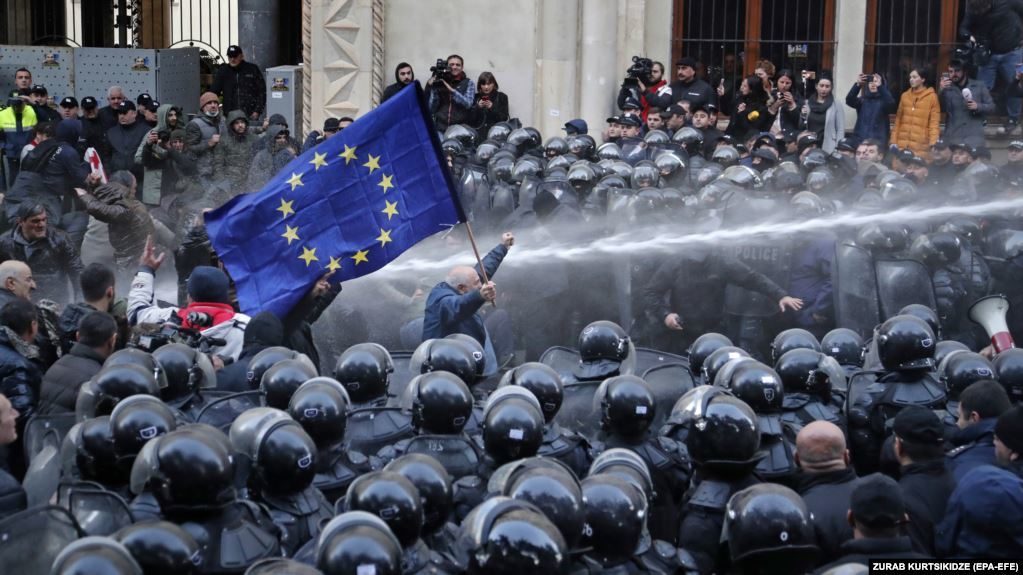
Protesters sought to resist as they formed a human chain, with officers using force and pelting people with water as a result.
The standoff spiraled into brief scuffles between both sides. Moving in tight formation, police soon managed to drive the crowds away from the parliament gates, allowing the emergency services to unseal it by cutting through the chain with pliers.
Still, people were apparently determined to stand their ground and remained at the square right
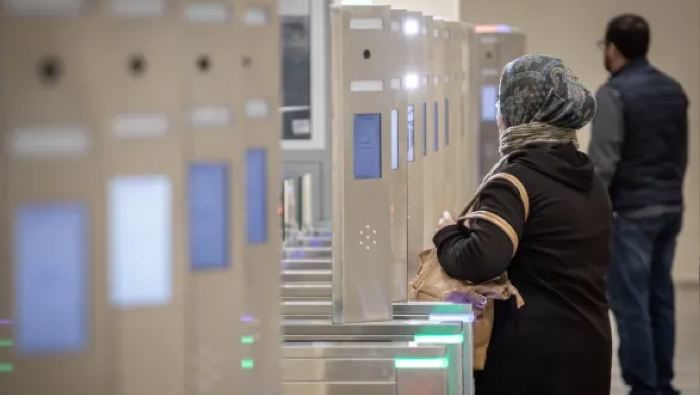
Haaretz published a report in mid-July that said the Israeli army was using AnyVision's technology at checkpoints on the way into Israel and across a network of cameras within the West Bank.
Referring to Israel's occupation of the West Bank, Amos Toh, a senior researcher on artificial intelligence at New York-based Human Rights Watch, told the American magazine, Forbes, earlier this month that the use of such technology "in a very fraught political context" could be problematic.
"I think it's incumbent on Microsoft to really look at what that means for the human rights risk associated with the investment in a company that's providing this technology to an occupying power," Toh said, adding "It's not just privacy risk but a privacy risk associated with a minority group that has suffered repression and persecution for a long time. There are special considerations of discrimination there."
According to Forbes, Microsoft was also censured by cybersecurity entrepreneur Matt Suiche, who described the investment in AnyVision as "scandalous."
The American Civil Liberties Union (ACLU) also condemned the investment.
Neema Singh Guliani, senior legislative counsel for the American Civil Liberties Union, said the bill "falls woefully short of protecting people's privacy rights."
Shankar Narayan, the director of the Technology and Liberty Project at the ACLU, told Forbes he had met with Microsoft officials last year and at the time the company seemed to be open to the idea of holding back the spread of the facial recognition technology.
Saudi Arabia has reportedly bought $300 million worth of spy software from Israel to spy on its own people and track human rights advocates.
Forbes noted that AnyVision has ties to the Israeli spy agency and military, with former Mossad chief Tamir Pardo presiding the firm's advisory board and Amir Kain, former head of the so-called security department of Israel's ministry of military affairs, being its president.

Comment: See also: