
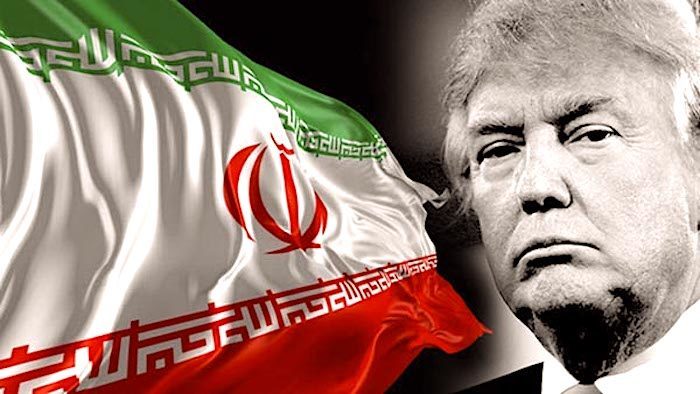
© Real Iran
"If there are suspicions, then let's consider them. But to exclude Iran from the anti-terrorist coalition on one's bare word is not sensible, and the United States are famous for being [not] sensible," Lavrov said.
The United States must admit that the Iran-supported Hezbollah, listed as a terrorist organization by the United States, is too fighting against the terrorists of Daesh, Lavrov said.
"Yes, [the US] relations with Iran are now much more troubled than they were under Barack Obama's presidency. But we speak for actions based on common sense. If President [Donald] Trump sees his main priority on the international arena in the fight against terrorism, then they have to admit that, say, in Syria, the main forces fighting against Daesh besides the Syrian army supported by the Russian Aerospace Forces are units of Hezbollah that have Iran's support," Lavrov said, adding that the United States will have to choose their priorities.
Speaking of Iran allegedly offering support to terrorist organizations, Lavrov underlined that the country is being monitored by the Financial Action Task Force (FATF), an inter-governmental body combating terrorist financing. The minister reminded that on February 8, FATF presented another report regarding Iran's actions in fighting against financing of terrorism, and "the results were positive."
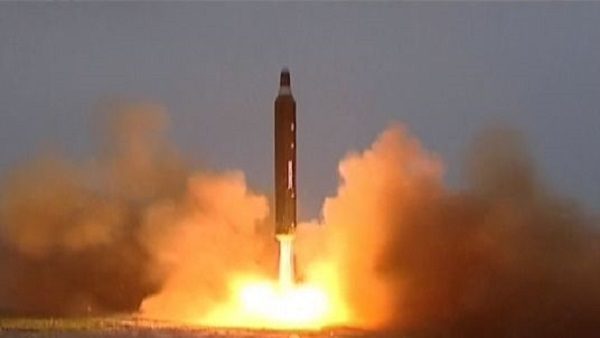
On February 3, the administration of US President Donald Trump imposed sanctions against 25 individuals and entities based in Iran, Lebanon, the United Arab Emirates and China for allegedly supporting Tehran's ballistic missile program after its latest medium-range ballistic missile test on January 29. The United States considers the test as a violation of the Joint Comprehensive Plan of Action (JCPOA) and the UN Security Council resolution calling on Iran to refrain from nuclear-capable missile activity.











Comment: The US can't call a violation when there is no proof one way or the other that the suspect activity took place. Trump's line of reason seems dictated by Israeli paranoia aimed at maneuvering the US as its champion. Trump might be farther along in the game if he recognizes and supports Iran for those actions it has in alignment with US goals in order to bring Iran into a less defiant mode. The art of cooperation, thus modification, is well exemplified by Russia. Trump should take note.