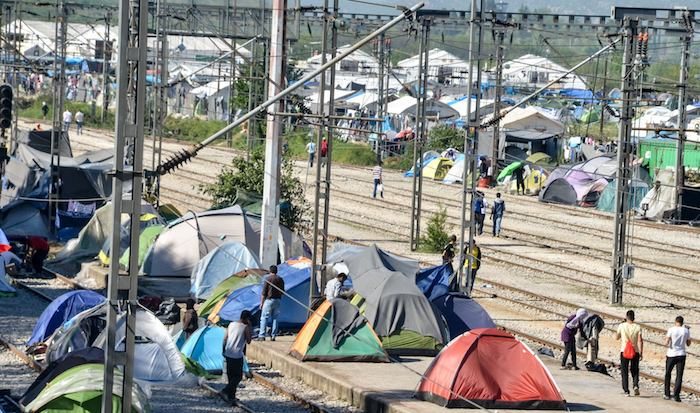
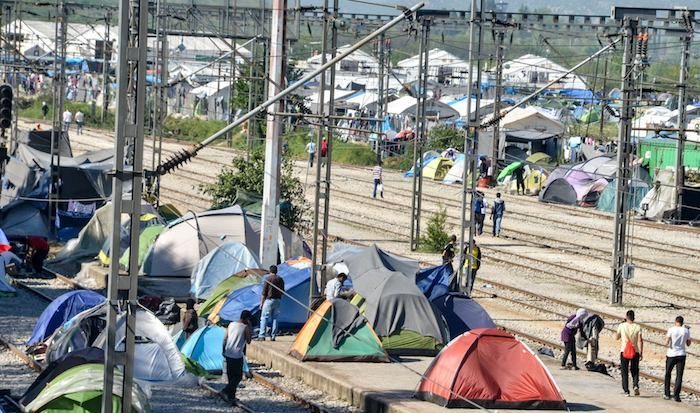
© Adobe StockMigrant tent village
On the one hand, the population of native Europeans (white, post-Christian) is declining, most obviously in Germany, Italy and Spain. On the other, millions of would-be immigrants from Africa and the Middle East are knocking at the door, determined to get in.
They may die in the attempt. The water around their sunken boats may turn the Mediterranean red with blood. But they will not stop coming.
Torn between their instinct for self-preservation and their need for cheap labour, the peoples of Europe have formed into two camps. The first, small, but socially liberal, insists that all those who wish to come here should be
welcomed and then woven into the rotting fabric of our society. The second, much larger and increasingly angry, is rising up, demanding that
the shutters be brought down and the drawbridges raised.Governments, as ever, are resolutely two-faced on the issue. They don't want to be seen as aloof or uncaring, or racist. But they can also see what is going on and what their voters think about it. Having no solution to offer,
they prefer to believe that other countries, preferably with borders far removed from their own,
should bear the brunt of the burden.

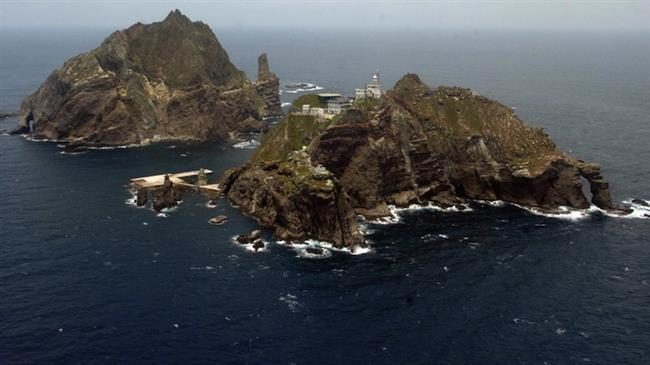















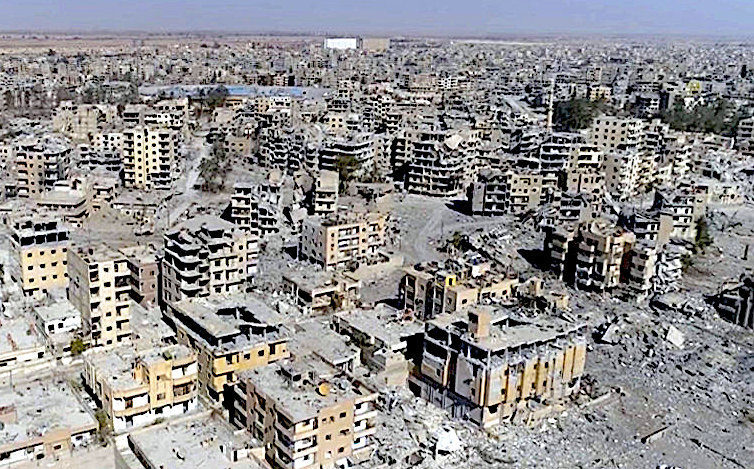



Comment: It'll be interesting to observe Japanese support (or a lack thereof) for Korean reunification in the coming years.
There hasn't been a unified independent Korea since the 19th century, when Japan 'converted to westernism' and colonized the peninsula. Will Japan mind seeing the return of a strong Korea, and one likely aligned with Beijing? Not likely!
Sadly, this means that a 'fracture line' will remain in northeast Asia, though it'll no longer be located halfway down Korea, but in the Sea of Japan.