
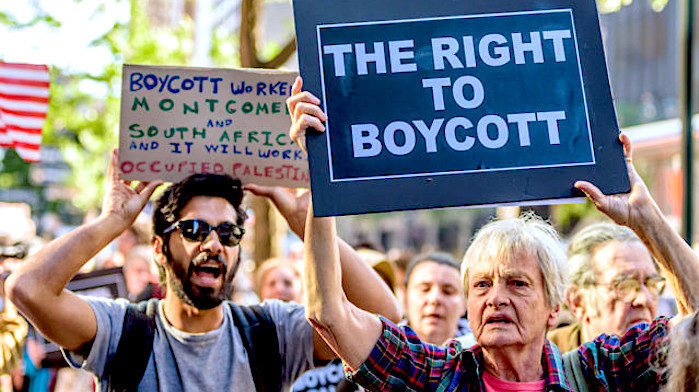
© Erik McGregor/Pacific Press/LightRocket/Getty ImagesBDS demonstrators
Psy-Group, a mysterious Israeli company that is reportedly being investigated by the FBI in connection with Special Counsel Robert Mueller's probe into alleged illegal interference in the 2016 US presidential election, was also involved in covert anti-BDS efforts, according to a lawsuit against the company and multiple sources who spoke to The Times of Israel.
BDS is a campaign by some pro-Palestinian activists encouraging people to boycott, divest from and sanction Israel over what they call its ill-treatment of the Palestinians.
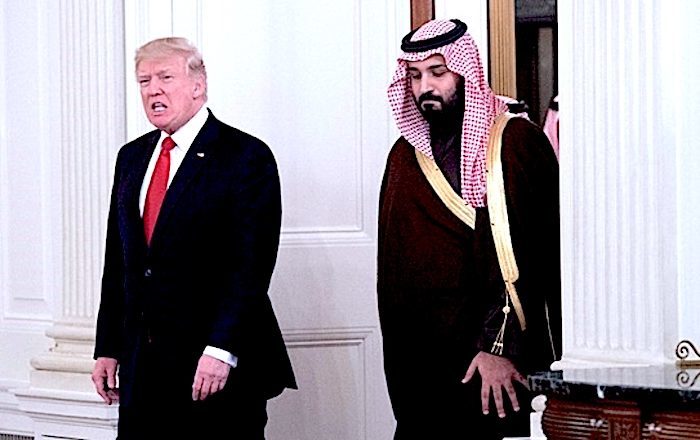
Psy-Group, which operates in Israel under the name Invop Ltd, is a self-styled leader in "intelligence and influence" which boasts in its marketing material of its covert techniques and capabilities. Its founder and co-owner Joel Zamel was reported by the New York Times last month to have met with Donald Trump Jr. three months before the November 2016 US presidential elections, offering to assist his father's campaign, and the company was reported to have drawn up "a multimillion-dollar proposal for a social media manipulation effort to help elect Mr. Trump."
While a lawyer for Zamel denied that he or any his companies had any involvement in the US election campaign, Bloomberg News has reported that Special Counsel Mueller's team is investigating flows of money into Psy-Group's Cyprus bank account, and also that Psy-Group formed an alliance with Cambridge Analytica, a (now collapsed) company that the Trump campaign consulted on social media issues, following Trump's election.














Comment: The example of the multi-layered operational pushback on BDS should be a red alert as to the depth and breadth of intel manipulation and defamation capabilities to threaten, sway, compromise, target, falsely implicate and defame anyone, anywhere, anytime for any reason.