
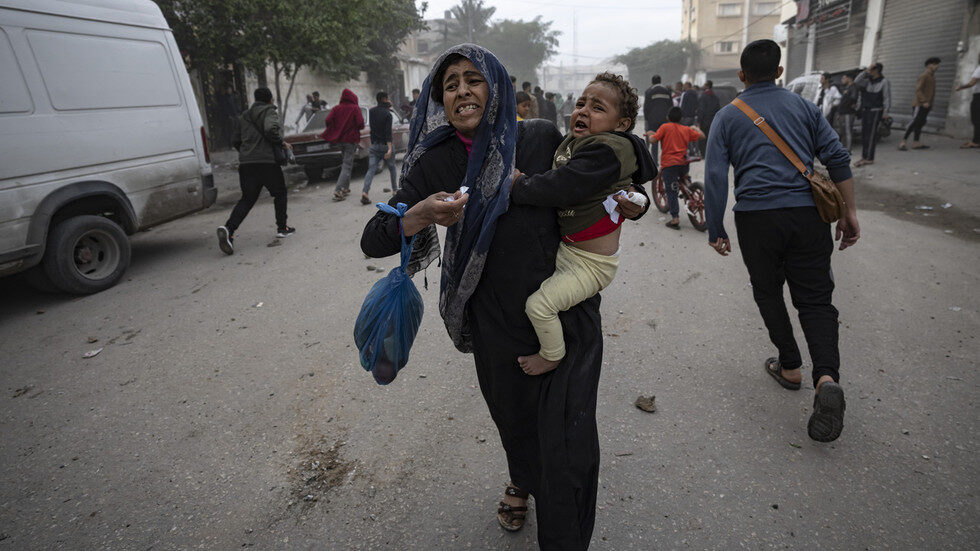
© AP Photo/Fatima ShbairPalestinians evacuate from a site hit by an Israeli bombardment on the supposed 'safe city' of Rafah, southern Gaza Strip, Wednesday, Dec. 20, 2023
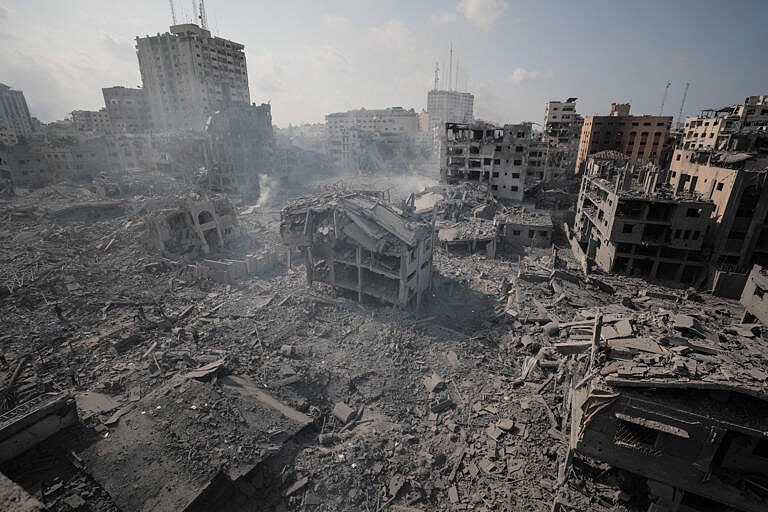
Since October 7, 2023, an estimated 22,000 Palestinians have lost their lives amid Israel's shelling of Gaza. Most were civilians. As the conflict nears the end of its third month, the humanitarian situation in the enclave is deteriorating. The vast majority of residents lack food, water and basic medications.
Last October 7, mobs of Palestinian militants stormed Israel's southern communities, massacring an estimated 1,200 and leaving over 5,000 wounded. In response, Israel opened a war on Gaza aimed at crushing Hamas, the Islamic group responsible for the deadly attack. But in the process of doing so, more than 21,000 lives have been taken. According to estimates, only 8,000 of these were militants.










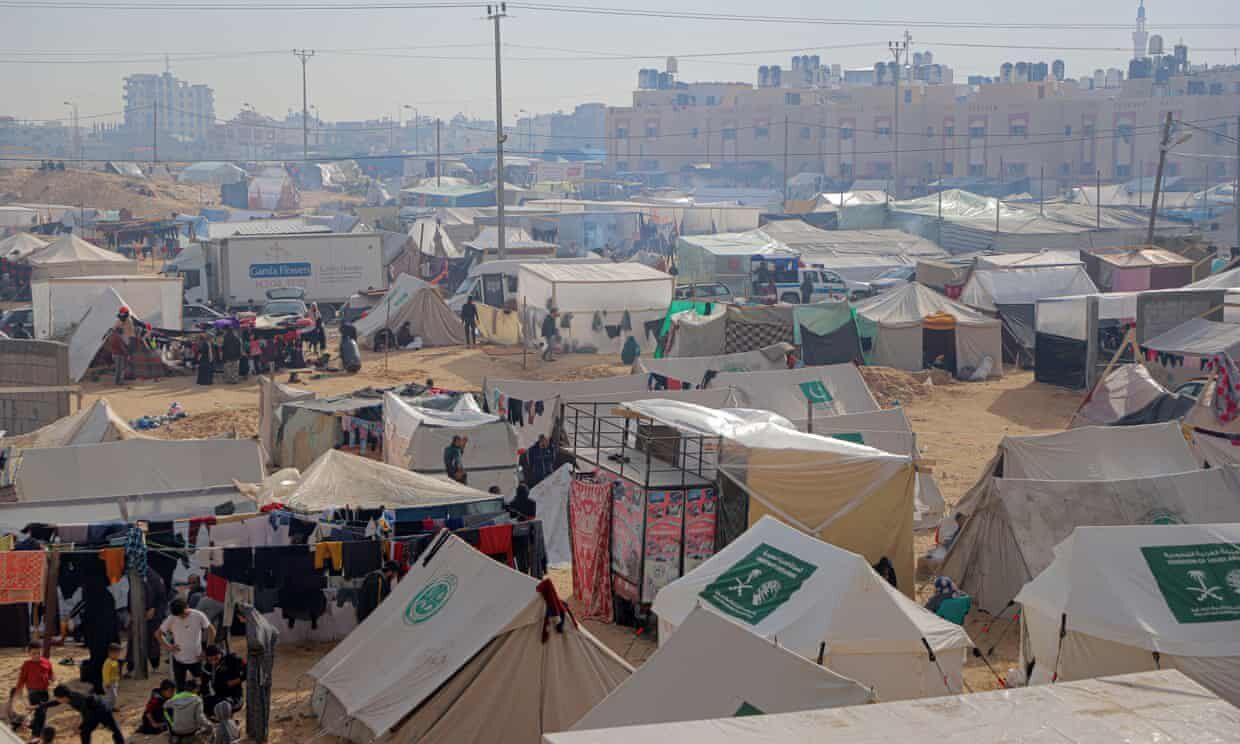






Comment: The psychopaths in the Israeli government are hoping to create such a humanitarian disaster, that the world will capitulate to their demands and set up camps in the Sinai for the refugees, so the Palestinians can be pushed out of Gaza once and for all.
Egypt is not on board with this lunatic idea