Animals
S


Biohazard

Lone star tick bite causes severe meat allergy in US farmer

tick
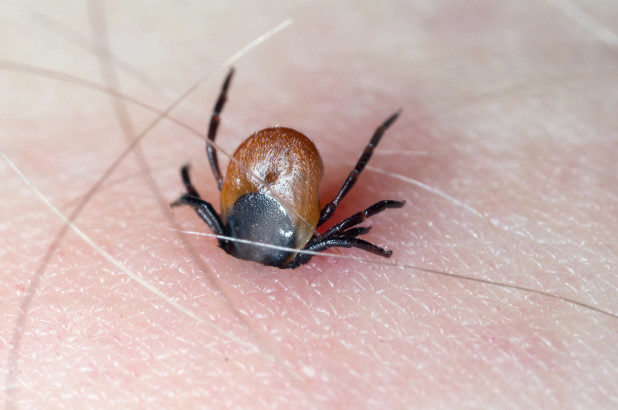
A tick turned Kristie Downen into a vegan.

"It was the last thing on my mind," the Missouri farmer tells Springfield's KSPR TV of her "life-changing experience ... [it's] unbelievable that a tick can make you allergic to food."

Downen was bitten by a common "lone star" tick four years ago — but doctors were unable to diagnose the array of symptoms she developed until this year.

"It got to the point where my stomach would swell up, I was vomiting," Downen says. "The rashes were real bad, it was getting to the point [I told doctors], 'You're missing something, I'm still dying.' "

Comment: There are various ways one could can attempt to ameliorate the problems of these tick borne diseases. Although the threats ticks pose appears to only be increasing: Also check out SOTT radio's: The Health & Wellness Show: A Close Look at Lyme Disease


Doberman

Man killed by 2 pit bull terriers in Gilbertsville, Kentucky

PIT BULL ATTACK
A preliminary diagnoses from an autopsy revealed that Brian Butler's cause of death was sharp force trauma from a dog attack.

On Sunday Butler's body was taken to the Western Kentucky Regional Medical Examiners Office in Madisonville, KY.

On Saturday two pit bulls were located in the area where Butler was located. The dogs have been taken by Marshall County Animal Control as the investigation continues.

State police are urging the public in the Gilbertsville community to be cautious of any loose dogs.

The investigation by Kentucky State Police is ongoing.

Ladybug

Insect apocalypse: German bug watchers sound alarm

bee wasp insect


Insects, which comprise two thirds of all terrestrial species, have been dying off at alarming rates, with disastrous impacts on food chains and habitats, amateur German researchers have found.


For almost 30 years they passed as quirky eccentrics, diligently setting up their insect traps in the Rhine countryside to collect tens of millions of bugs and creepy crawlers.

Now the group of German entomology enthusiasts can boast a world-class scientific treasure: evidence of what is described as one of Earth's worst extinction phases since the dinosaurs vanished.

Comment: Love them or hate them, insects play a massive role in the ecosystem of the planet. If they disappear, all planetary life won't be far behind.

See also:


Attention

Oyster fishermen dredging up "100 percent" dead oysters in Biloxi, Mississippi

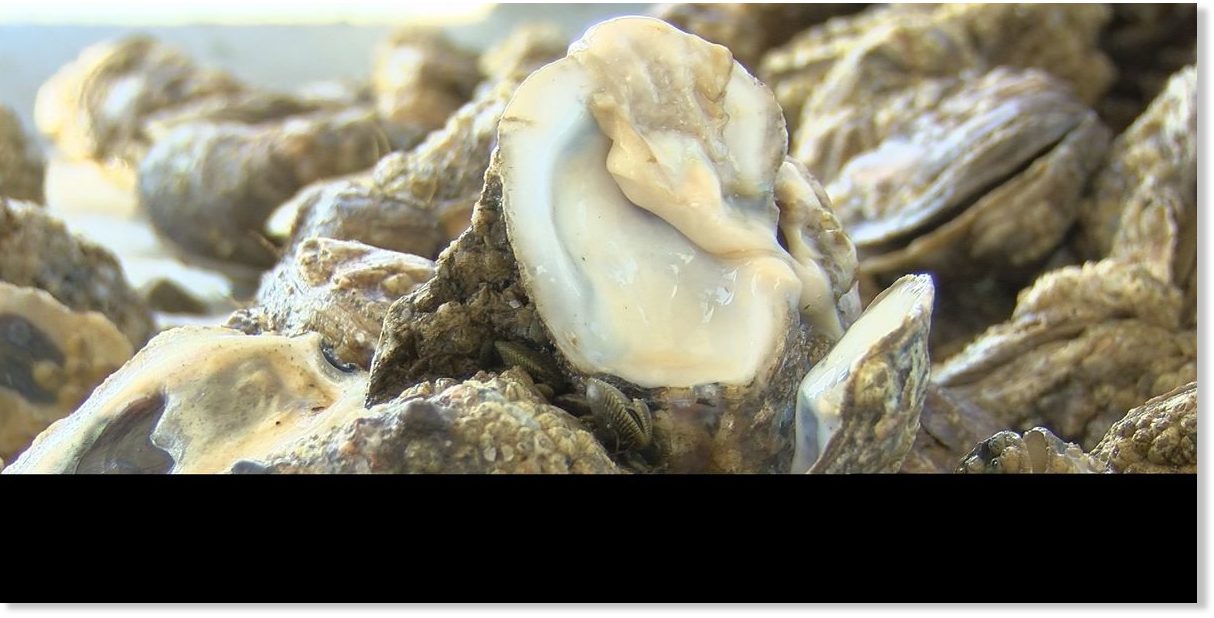
Oyster fishermen are saying 100 percent of what they dredge up is coming up dead, which is not only a serious hit to their livelihoods but could have lasting impacts for years to come.

Fishermen will tell you part of the draw of the job is just being out on the water, but the waters near the Biloxi marsh are a little too quiet.

"North, east, west, there's usually someone harvesting someone trawling you don't see nothing, there's not one person out here," said oyster fisherman, Gregory Perez.

Gregory Perez says he's worked for years building and tending to these acres of water, or his private oyster leases. This year was supposed to be the most lucrative for him until the oysters started dying.

Attention

4.3 metre long whale shark washed ashore in Karnataka, India

The carcass will be buried after the post-mortem, Sridhar added.
© ANIThe carcass will be buried after the post-mortem, Sridhar added.
Around 4.3 metres long whale shark was washed ashore at the Mukka beach near the National Institute of Technology- Karnataka. The whale has been sent for the post-mortem.

An enormous whale shark, around 4.3 metres long was washed ashore at the Mukka beach near the National Institute of Technology- Karnataka.

Upon getting information, an expert team comprising of, fisheries college professor A Senthil Vel, fisheries resources department professor H N Anjanayappa and assistant professor of aquatic health department Girisha visited the spot on Saturday. The team then examined the corpse.

Info

Latest evidence shows that resin was used by Neandertals in central Italy

Neanderthals
© NASA
Archaeologists working in two Italian caves have discovered some of the earliest known examples of ancient humans using an adhesive on their stone tools-an important technological advance called "hafting."

The new study, which included CU Boulder's Paola Villa, shows that Neanderthals living in Europe from about 55 to 40 thousand years ago traveled away from their caves to collect resin from pine trees. They then used that sticky substance to glue stone tools to handles made out of wood or bone.

The findings add to a growing body of evidence that suggests that these cousins of Homo sapiens were more clever than some have made them out to be.

"We continue to find evidence that the Neanderthals were not inferior primitives but were quite capable of doing things that have traditionally only been attributed to modern humans," said Villa, corresponding author of the new study and an adjoint curator at the CU Museum of Natural History.

That insight, she added, came from a chance discovery from Grotta del Fossellone and Grotta di Sant'Agostino, a pair of caves near the beaches of what is now Italy's west coast.
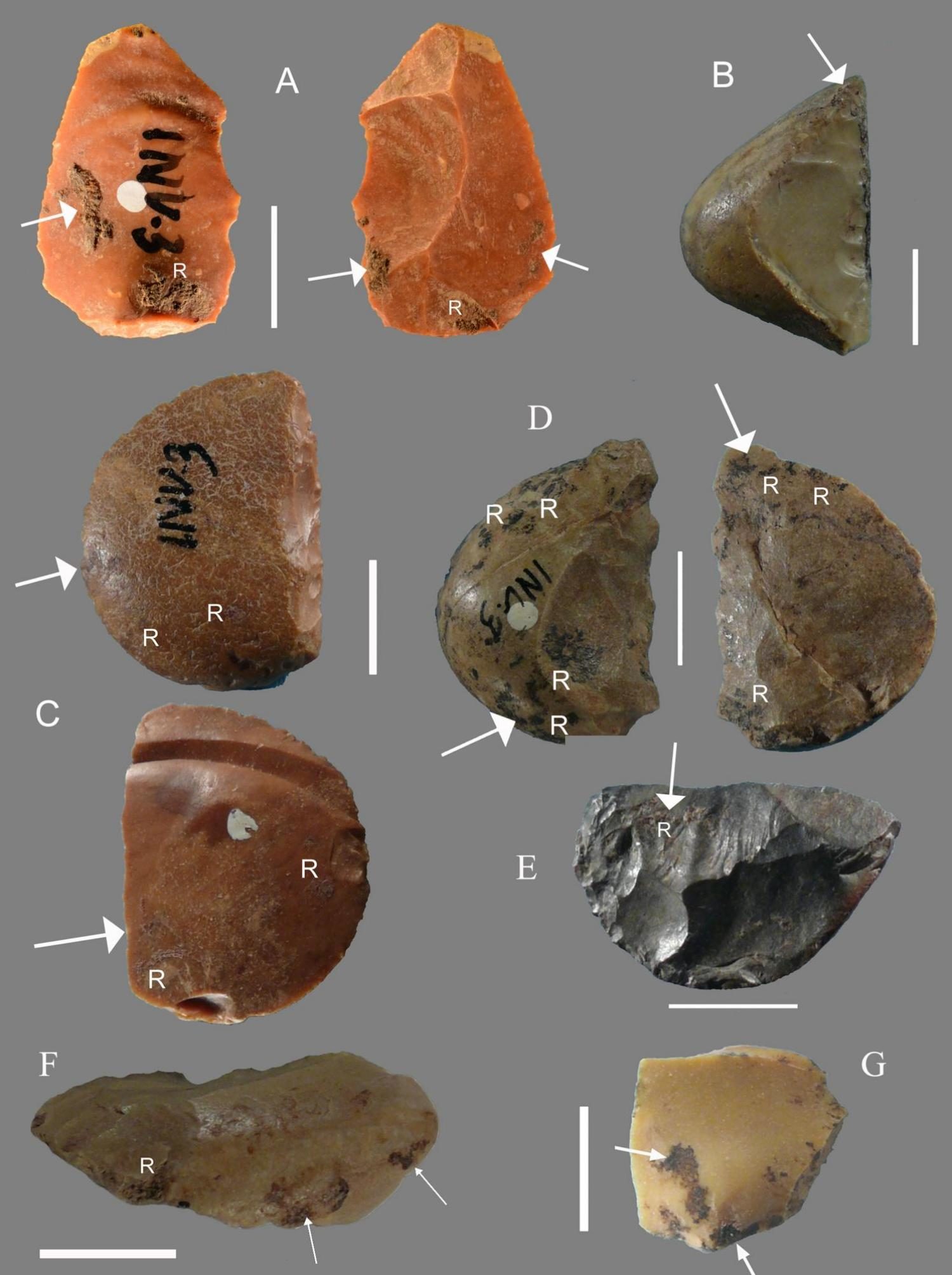
Flints bearing traces of resin
© Degano et al. 2019, PLOS ONEFlints bearing traces of pine resin. The letter "R" indicates the presence of visible resin, and the arrows point to spots where researchers sampled material for chemical analysis.
Those caves were home to Neanderthals who lived in Europe during the Middle Paleolithic period, thousands of years before Homo sapiens set foot on the continent. Archaeologists have uncovered more than 1,000 stone tools from the two sites, including pieces of flint that measured not much more than an inch or two from end to end.

In a recent study of the materials, Villa and her colleagues noticed a strange residue on just a handful of the flints-bits of what appeared to be organic material.

"Sometimes that material is just inorganic sediment, and sometimes it's the traces of the adhesive used to keep the tool in its socket" Villa said.

Cow

Video shows cattle swept away in river in southeast Minnesota after 8 inches of rain overnight

fLOODS CATTLE
Southeast Minnesota was pounded by torrential rain that led to flash flooding.

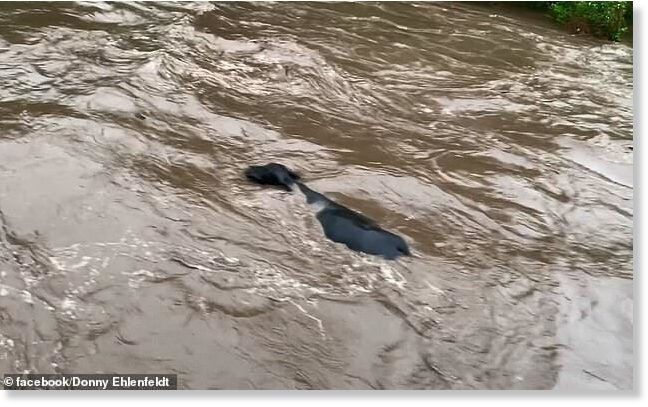
Torrential overnight rain in southeast Minnesota led to flash flooding that swept cattle into rushing water Friday morning.

Video of the shocking incident was captured by Donny Ehlenfeldt, who witnessed the cattle being swept down the South Branch Middle Fork Zumbro River, which runs through Oxbow Park in Olmsted County.


Doberman

Toddler attacked and killed by family dog in Newman, California

PIT BULL ATTACK
A two-year-old toddler is dead after he was attacked by a family dog in Stanislaus County.

The attack happened on Thursday night on Pine Street, near Inyo Avenue, in Newman. Police say the child was taken to the hospital where he was pronounced dead after being attacked by a pit bull mix.

The dog has been quarantined by animal control and the investigation is ongoing.


Info

'Mystical' DMT compound found in normal brains

Ayahuasca retreat
© Temple of the Way of LightAyahuasca ceremony in Peru.
In the past few years, thrill-seekers from Hollywood, Silicon Valley and beyond have been travelling to South America to take part in so-called Ayahuasca retreats. Their goal: to partake in a brewed concoction made from a vine plant Banisteriopsis caapi, traditionally used by indigenous people for sacred religious ceremonies. Drinkers of Ayahuasca experience short-term hallucinogenic episodes many describe as life-changing.

The active ingredient responsible for these psychedelic visions is a molecule called dimethyltryptamine (DMT). For the first time, a team led by Michigan Medicine has discovered the widespread presence of naturally-occurring DMT in the mammalian brain. The finding is the first step toward studying DMT-- and figuring out its role -- within the brains of humans.

"DMT is not just in plants, but also can be detected in mammals," says Jimo Borjigin, Ph.D., of the Department of Molecular and Integrative Physiology. Her interest in DMT came about accidentally. Before studying the psychedelic, her research focused on melatonin production in the pineal gland.

In the seventeenth century, the philosopher Rene Descartes claimed that the pineal gland, a small pinecone-shaped organ located deep in the center of the brain, was the seat of the soul. Since its discovery, the pineal gland, known by some as the third eye, has been shrouded in mystery. Scientists now know it controls the production of melatonin, playing an important role in modulating circadian rhythms, or the body's internal clock. However, an online search for notes to include in a course she was teaching opened Borjigin's eyes to a thriving community still convinced of the pineal gland's mystical power.

Attention

Three sharks attack and kill woman snorkeling in the Bahamas

Shark attacks
An American tourist was killed Wednesday in a shark attack in the Bahamas.

The Royal Bahamas Police Force announced that the woman, identified as Jordan Lindsey, 21, of Torrance, California, was attacked shortly after 2 p.m. near Rose Island as she was snorkeling.

According to Deputy Commissioner Paul Rolle, Lindsey was attacked by three sharks and suffered bites to her arms, legs and buttocks. Her right arm was bitten off, he said.

Rolle said Lindsey was on the snorkeling expedition with her family, including her parents, when the attack occurred.