Animals
S


Cloud Lightning

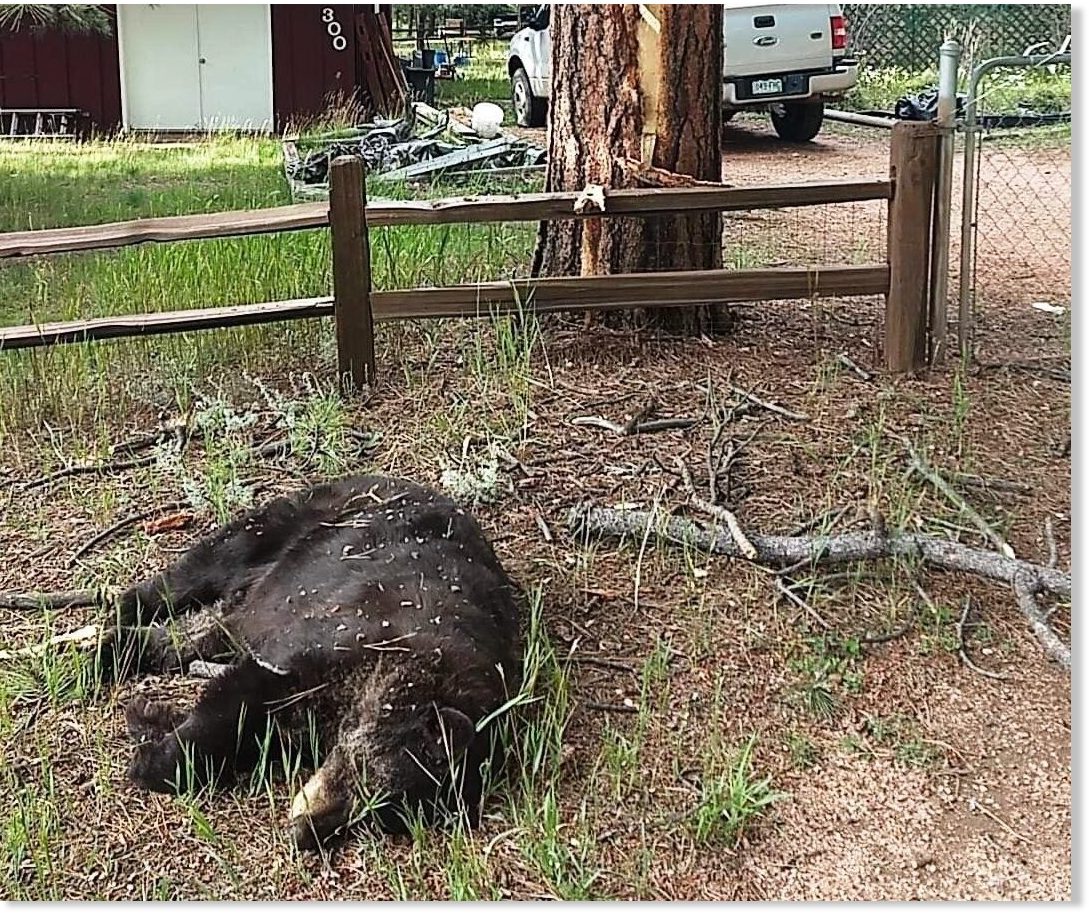
Lightning strike kills bear in Woodland Park, Colorado

Lightning kills bear in tree
© Colorado Parks & WildlifeLightning kills bear in tree
Lightning isn't only a danger to humans in Colorado. It also poses a threat to wildlife.

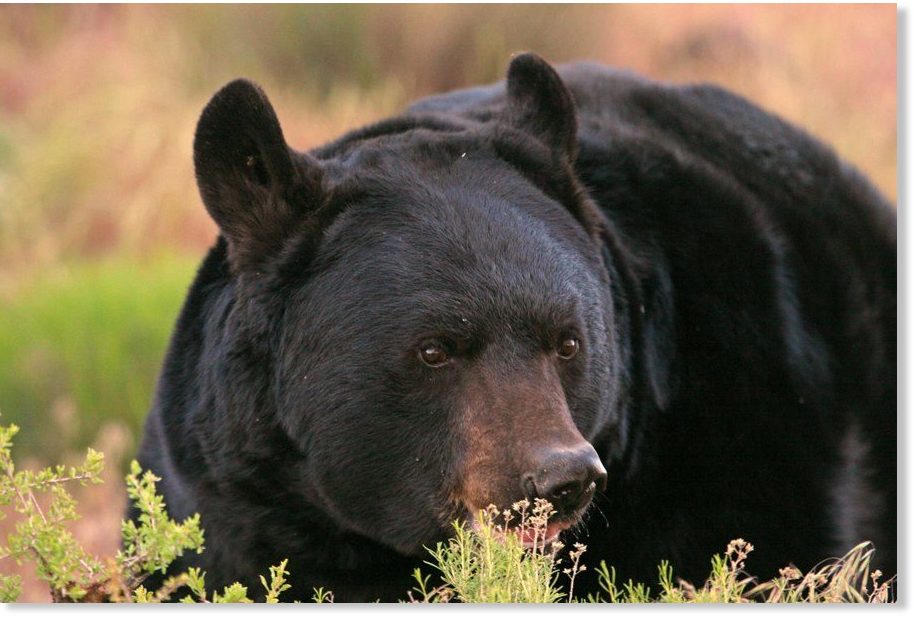
A bear was killed in a tree after a lightning strike in Teller County Monday night. The bear was sitting in the tree and died instantly, according to Colorado Department of Wildlife officers.

The office estimates the bear weighed around 300 pounds.

Eye 2

Huge crocodile lounges on rooftop in flood-swept India

Crocodile rests on roof of Belgaum house
A stunning video from the Indian state of Karnataka shows an adult crocodile lying on the rooftop of a house submerged under water. The reptile found itself beached on the tiles after the flood receded.

Residents of the Belgaum district in Karnataka, one of the regions hardest hit by the devastating flash floods brought by a monsoon, were shocked to see a 10-foot-long crocodile resting on the roof of a farmhouse on Sunday.

It is believed that the terrifying creature ended up on the roof after swimming about a kilometer from the Krishna River, which overflowed and flooded the area. As the water receded, the crocodile got stuck on the asbestos tiles and risked being trapped.


Doberman

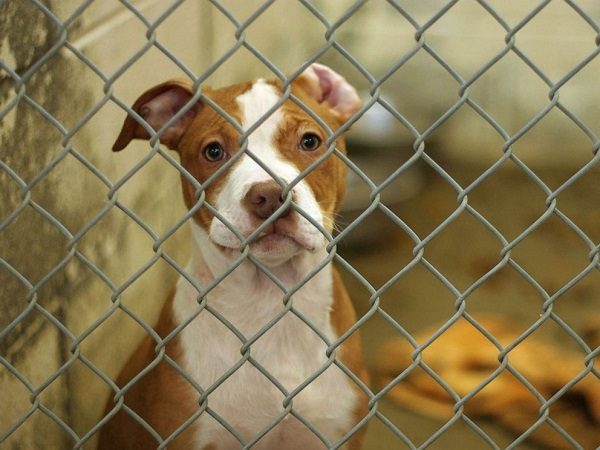
Delaware becomes first no-kill state for animal shelters, activists say

Dog in shelter
© Dan Brandenburg/Getty ImagesIn this undated file photo, a dog eagerly awaits adoption from the animal shelter.
Delaware has become the first no-kill state in the U.S. for animals that enter shelters, according to animal welfare activists.

The Best Friends Animal Society, which tracks no-kill rates by state, announced the state's achievement at its annual conference in Dallas last month.

For a state to be considered no-kill by the group, it must save at least 90% of dogs and cats entering shelters.

Eye 1

Trump administration announces changes to endangered species rules

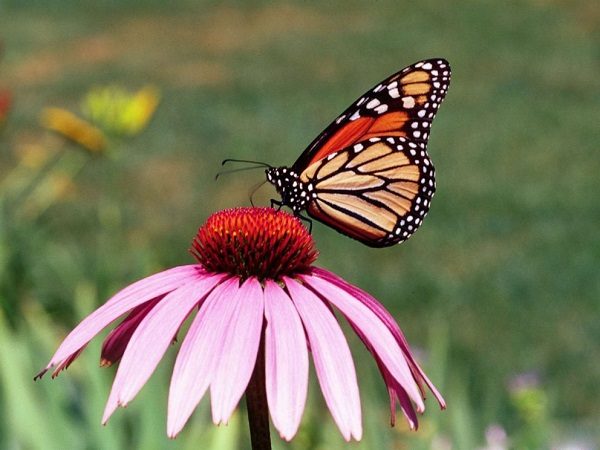
Monarch butterfly
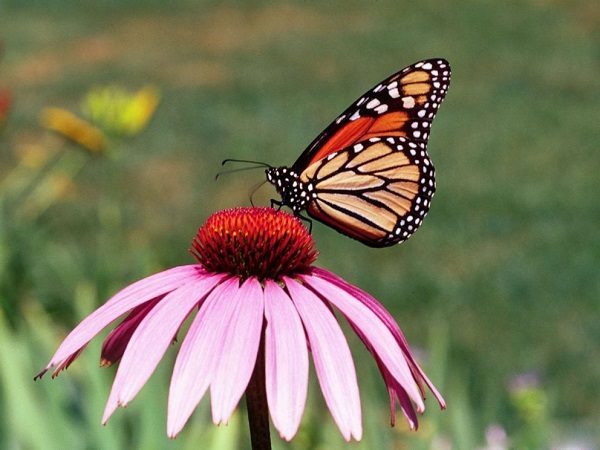
© Smith Collection/gado/Getty ImagesA monarch butterfly collects nectar from a flower in the People's Garden, in Washington, D.C. in 2014.
The Trump administration announced changes to how the government handles endangered species on Monday, a move that advocates say could make it more difficult to protect species that are threatened by human activity and climate change.

The newly finalized rules would change the requirements for how the government decides to add or remove species from the list of endangered animals that are regulated by the government, including limiting how much habitat can be protected to areas where the animals currently live. The changes would also require that each species listed as threatened in the future have its own plan for how it will be protected and if any hunting of that species is allowed, instead of issuing blanket policies that apply to every threatened species.

The changes would not alter the protections for species currently listed as threatened or endangered, but would apply to future decisions about changing listings.

Administration officials said the changes will still protect critical species and habitat but will also make the process more efficient and follow President Donald Trump's mandate to eliminate regulations.

Wolf

Teenager dies following mauling by 3 pit bulls in Irving, Texas

PIT BULL ATTACK
A 16-year-old Texas boy mauled by three pit bulls inside a fenced-in backyard Saturday has died, investigators said.

The Irving Police Department announced in a news release Sunday that the unnamed teen died at Parkland Hospital during the night. Medics treated one officer for a dog bite before releasing him.

Police said officers had responded to reports of a possible dog attack just before 5 a.m. Saturday when they found three dogs mauling the teen in a home's backyard. Officers jumped over the fence and tried to put themselves between the animals and the victim.


Bug

Crop invaders: China's small farmers struggle to defeat armyworm

lifecycle
Yan Wenliu leans on the side of his cart as he prepares to leave his sugarcane field in Southwest China, bewildered by the formidable new pest that has ambushed his crops this year.

"I don't know what it is," says Yan, a 36-year-old farmer from Menghai county in Yunnan province. "But it is bigger than other ones. I have never seen this worm before."

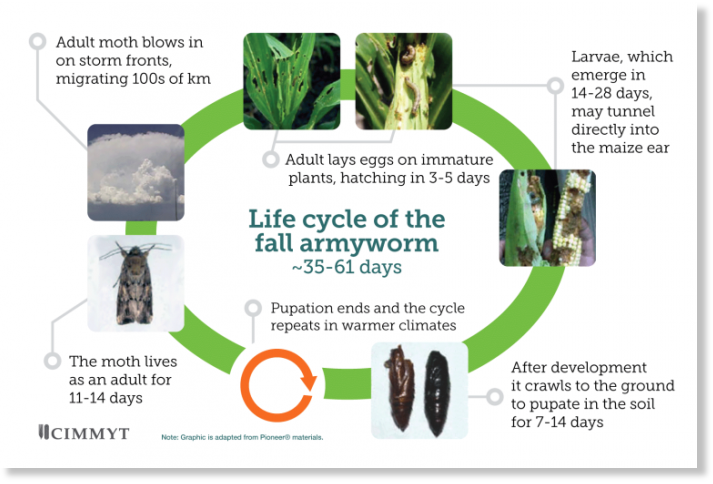
The creature Yan is unable to name is fall armyworm. Known locally as the "heart-devouring worm," the destructive pest has spread more than 3,000 km (1,865 miles) north since migrating from neighbouring Myanmar seven months ago, reaching 21 provinces and regions in China and posing a grave threat to grain output.

In Yunnan alone, where the pest struck first in China, some 1.29 million mu (86,000 hectares) had been affected by mid-June, including corn, sugarcane, sorghum and ginger crops.

Attention

Sleeping teenager bitten on the face by bear near Moab, Utah

black bear
Utah wildlife officials are searching for a bear that bit a sleeping 13-year-old on the face at a campground.

The incident happened Friday along the Colorado River in the Dewey Bridge campground, the Utah Division of Wildlife Resources said in a Facebook post.

"The young man was injured on his right cheek and his right ear and was transported to a hospital for treatment. We are currently working with USDA-Wildlife Services and using dogs and traps in an effort to capture the bear," it said.

He told officials the bear was about his size, which would make it a smaller bear, CNN affiliate KUTV.

Wolf

Rare wolf attack injures camper, shuts down campground in Banff, Alberta

Wolf
© wikipedia
Parks Canada believes only 1 wolf was involved but has closed Rampart Creek as a precaution

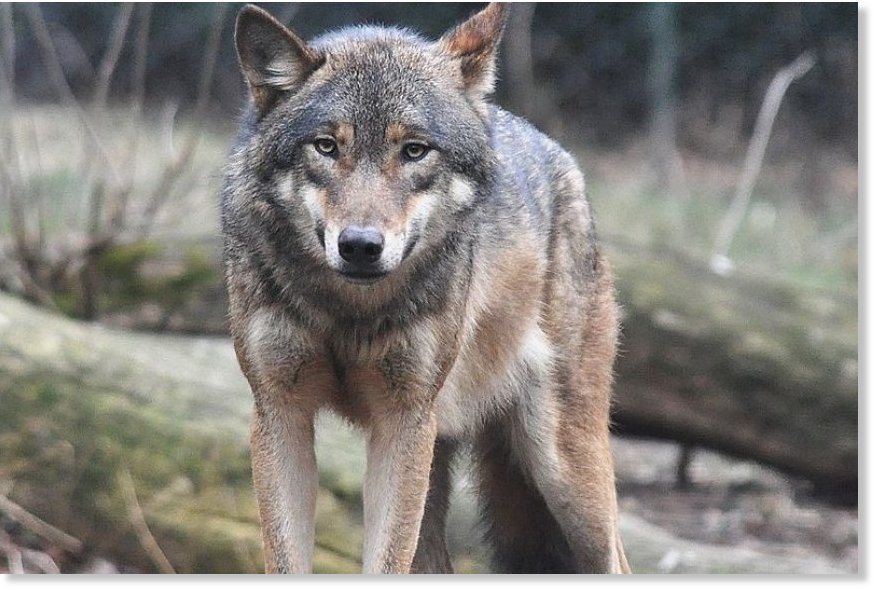
A wolf that attacked a tent and injured a camper has been killed and the campground has been closed after a rare incident took place in Banff National Park, officials say.

Around 1 a.m. on Friday, Parks Canada received a report of a wolf attack at Rampart Creek Campground off the Icefields Parkway, according to a news release.

Officials say the wolf attacked the tent and inflicted hand and arm injuries on a camper inside. No wildlife attractants or food were found nearby.

Black Cat 2

Why cats eat grass solved

Cat Eating Grass
© KDDESIGNPHOTO/SHUTTERSTOCK
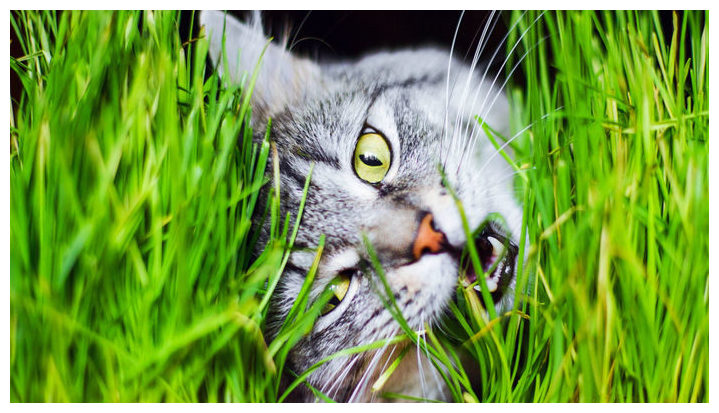
Cats do a lot of weird things. One of the biggies is eating grass, often to throw it up just a few minutes later. Now, after perhaps centuries of mystery, scientists think they know why.

Researchers surveyed more than 1000 cat owners on the internet who spent at least 3 hours a day watching and hanging out with their pet. As many cat parents suspected, eating plants is an extremely common behavior: Seventy-one percent of the animals were caught in the act at least six times in their lifetime, whereas only 11% were never observed gobbling greenery.

Many online explanations for grass eating posit that the behavior helps cats throw up when they're feeling ill. But only about a quarter of grass eaters were observed vomiting afterward, and 91% of respondents said their cat did not appear sick before imbibing plant matter.

Attention

3 shark attacks at the same Florida beach within 24 hours

Shark attacks
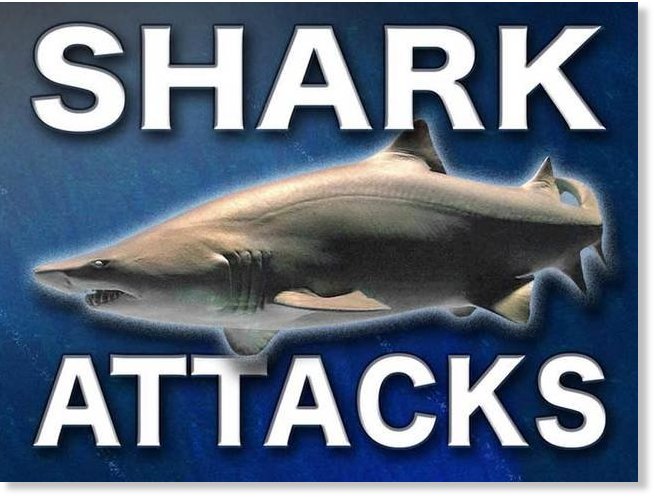
Three people were bitten by a shark within a 24-hour span at a Florida beach on Sunday. It happened at New Smyrna Beach. The community is known as the "shark bite capital of the world."

A Nashville man was standing in knee-deep water when a shark bit his right foot. He was treated for minor lacerations.

On Saturday, two surfers were bitten within minutes of one another at the same beach. Authorities say a 23-year-old woman was bitten on the left hand and wrist, which required her to receive stitches. A short time later, a 21-year-old man was bitten on his right foot and was treated at the scene. Neither bite was life-threatening.

Comment: A week earlier: Florida beach reports surfer bitten by shark in 2nd attack in 2 days