
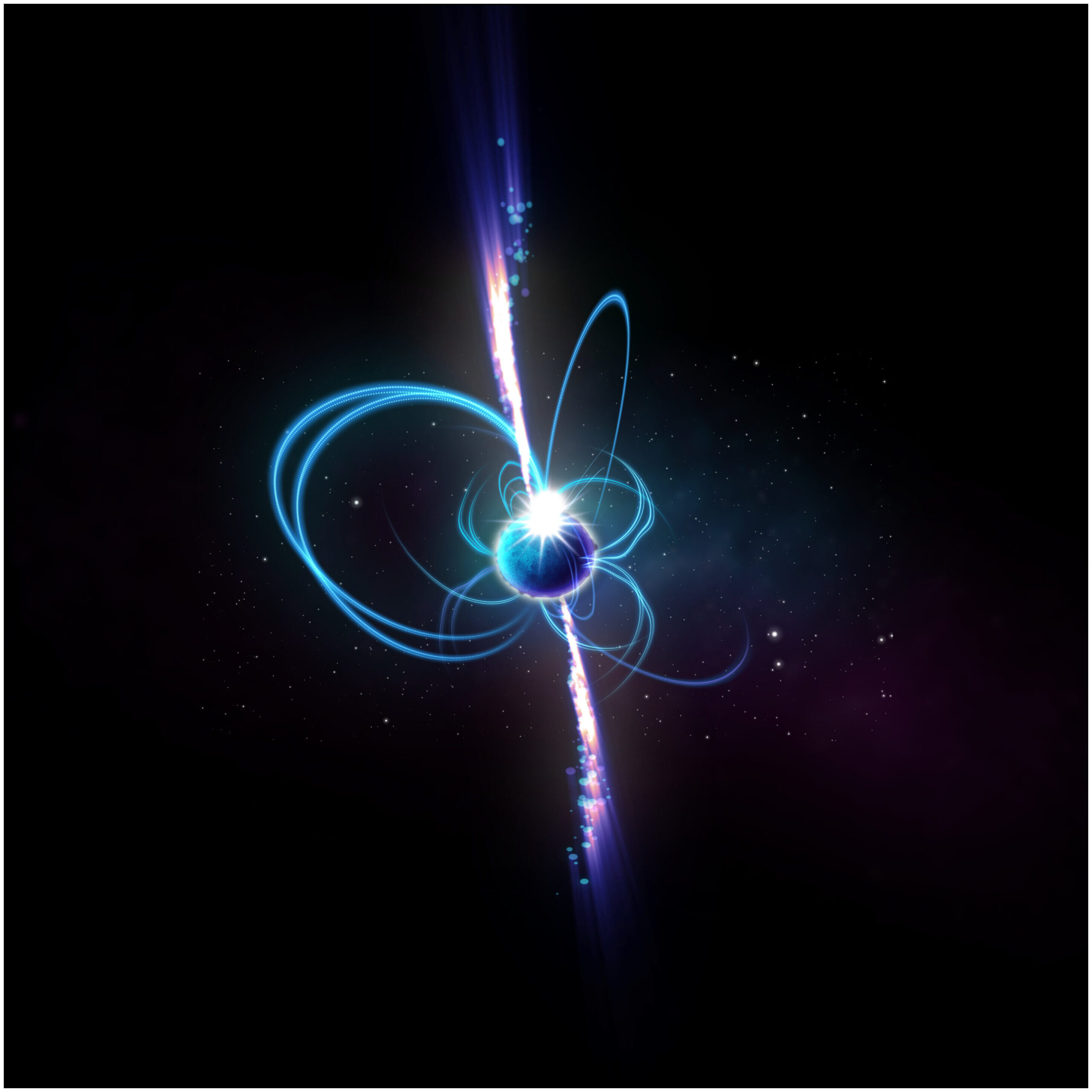
© ICRARAn artist's impression of what the object might look like if it's a magnetar. Magnetars are incredibly magnetic neutron stars, some of which sometimes produce radio emission. Known magnetars rotate every few seconds, but theoretically, "ultra-long period magnetars" could rotate much more slowly.
The team that discovered it think it could be a neutron star or a white dwarf — collapsed cores of stars — with an ultra-powerful magnetic field. Spinning in space, the strange object sends out a beam of radiation that crosses Earth's line of sight, and for one minute in every 20, is one of the brightest radio sources in the sky.
Astrophysicist Dr. Natasha Hurley-Walker, from the Curtin University node of the International Centre for Radio Astronomy Research, led the team that made the discovery. "This object was appearing and disappearing over a few hours during our observations," she said. "That was completely unexpected. It was kind of spooky for an astronomer because there's nothing known in the sky that does that. And it's really quite close to us — about 4,000 light-years away. It's in our galactic backyard."
The object was discovered by Curtin University Honors student Tyrone O'Doherty using the Murchison Widefield Array (MWA) telescope in outback Western Australia and a new technique he developed. "It's exciting that the source I identified last year has turned out to be such a peculiar object," said Mr O'Doherty, who is now studying for a Ph.D. at Curtin. "The MWA's wide field of view and extreme sensitivity are perfect for surveying the entire sky and detecting the unexpected."

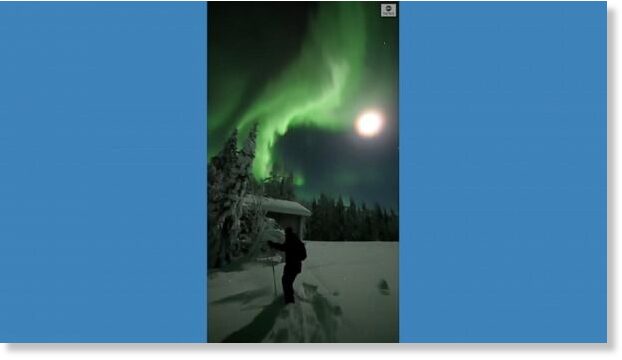



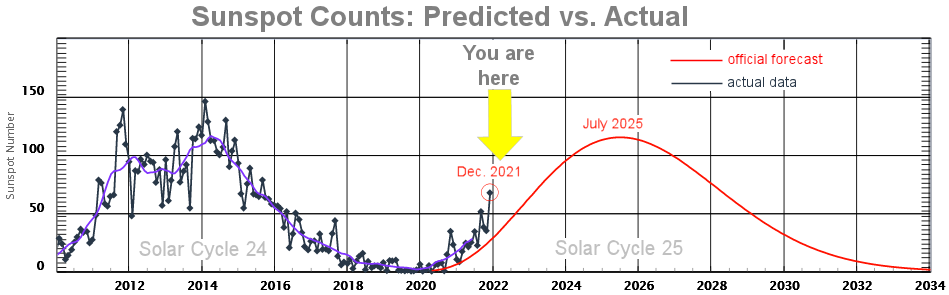

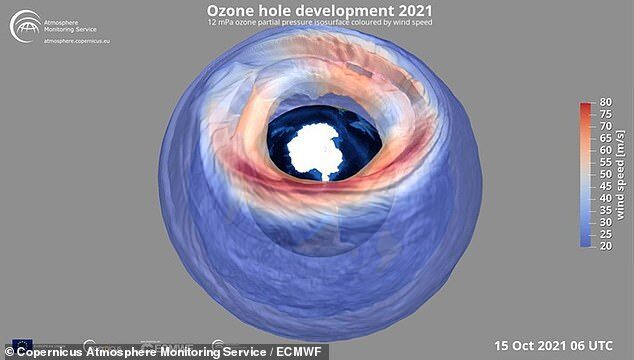







Comment: On our planet we've seen a rise in unusual phenomena, extreme weather and increasingly erratic seasons, meanwhile an uptick in unusual activity has also been documented occurring in our solar system, and beyond:
- Volcanoes, Earthquakes And The 3,600 Year Comet Cycle
- Solar Cycle 25: Is a Termination Event imminent?
- Sott Exclusive: Nemesis, not 'Nibiru' - Clarifying mainstream reports about 'a large ninth planet' that periodically sends comets our way
- Impact flash on Jupiter captured on video by amateur astronomers
- Betelgeuse is neither as far nor as large as once thought
- Recap: The changing jet stream and global cooling
- Little Ice Age triggered by unusually warm period, unprecedented cold struck within 20 years
Also check out SOTT radio's: