Extreme Temperatures
S


Snowflake

Atmospheric compression snow event in Alaska and earliest ever snow in Texas

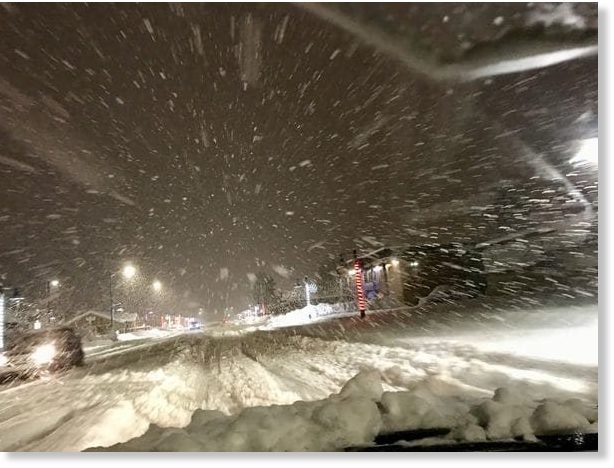
Snow filled roads Wednesday in Valdez, Alaska.
© Alaska Department of Transportation and Public FacilitiesSnow filled roads Wednesday in Valdez, Alaska.
What can only be described as an atmospheric compression snow event has just occurred in Alaska. The most snow fell ever recorded in 90 minutes. Even in the snowiest city in the USA , they termed this event as extreme. Super cooled ice bows in Finland, atmospheric compression event in Australia with record floods in Victoria. Earliest snow on record in Texas that knocked out power to 88,000 homes with record cold in Mexico.


Sources

Comment: See also: Alaska records one of the most extreme snowfall rates on record, 10 inches per hour; highway near Valdez under 20 foot of snow


Arrow Down

Giant ocean fans to protect the Great Barrier Reef!

"Air-conditioning" of The Great Barrier Reef begins soon

To calm a few panicking people, the Australian Government will pay for large fans to circulate water on a minuscule portion of the 2,300 kilometer long Great Barrier Reef. The reef creatures, which have been coping with higher temperatures and bleaching for two hundred million years, will hopefully avoid the moving parts. Marine life adapts to heatwaves by chucking out the symbionts that don't thrive in higher temperatures and replacing them up new inhabitants that do.

If the fans achieve anything, it may stop this natural process (called Symbiont Shuffling) thus possibly making small sections of the reef more vulnerable to future heatwaves and El Ninos. Who knows?
Recirc Fans
© JoNovaFans like this are used in the United States to circulate water.
Mark this one up as a pagan symbolic idol that symbolizes our grandiose delusions of weather-control.

Snowflake

Alaska records one of the most extreme snowfall rates on record, 10 inches per hour; highway near Valdez under 20 foot of snow

Snow filled roads Wednesday in Valdez, Alaska.
© Alaska Department of Transportation and Public FacilitiesSnow filled roads Wednesday in Valdez, Alaska.
Imagine going into a movie theater to check out the latest science fiction flick and there is not a single flake of snow on the ground. A couple hours later, as the credits start to roll, you mosey outside and are stunned to find your car buried in more than a foot of snow.

Perhaps you'd wonder if you were still watching a movie.

Well that's kind of what happened Wednesday at Alaska's Thompson Pass, just outside of the town of Valdez, when an incredible 10 inches of snow piled up in one hour — around 1.7 inches every 10 minutes. This is an absolutely incredible snowfall rate.

The furious storm dropped another 5 inches in 30 minutes, for a remarkable 15 inches in a brief hour and a half period. In the end, 40 inches of heavy wet snow accumulated in 12 hours.

The Thompson Pass storm ranks among the most intense snowfalls that we know of, according to a quick analysis by Weather Underground's weather historian, Christopher Burt.

Sun

Dripping sunlight, fake African weather stations and rotting crops in Northern Ireland

Dripping sunlight
© YouTube/Adapt 2030 (screen capture)
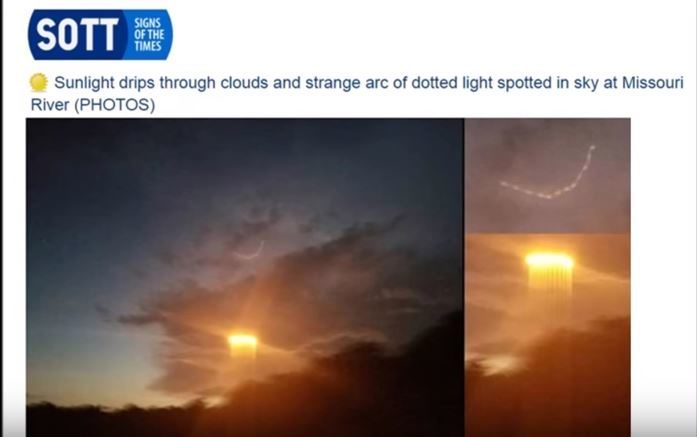
NOAA compiles its data for the one year mark to show 2016 vs 2017 record heat in Africa, but there are no weather stations where they show record heat. Worst rot in potato crops in Northern Ireland resulting in abandoned fields. Dripping sunlight through the clouds with a dot matrix, seems to be related to UV changes in the Sun. And the Grand Solar Minimum is here to stay.


Comment: See also: Sunlight drips through clouds and strange arc of dotted light spotted in sky at Missouri River (PHOTOS)


SOTT Logo Media

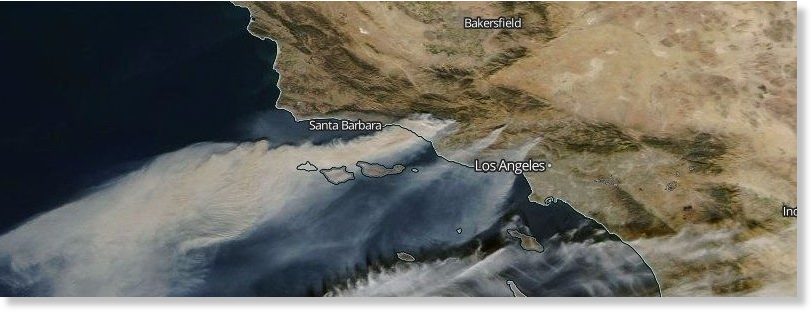
Oppenheimer Ranch Project Report: US West coast firestorm albedo grows - Shishaldin Volcano alert

fires
SoCal Wildfires: Los Angeles, Ventura declare state of emergency as 200 000 evacuate.

Snowflake Cold

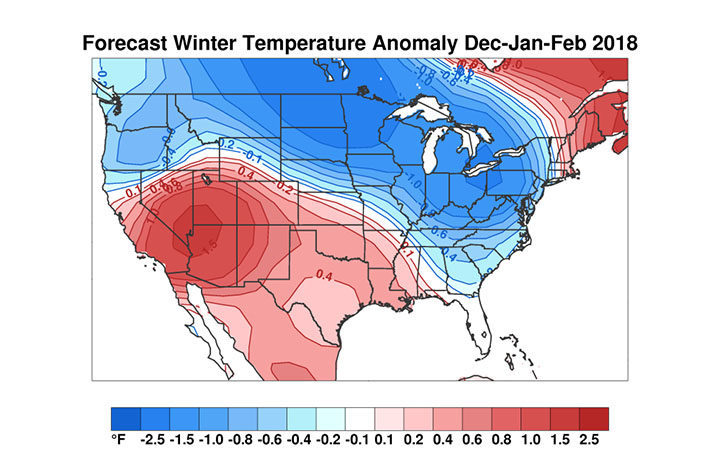
US: Polar vortex to bring 'extended period of severe winter weather', amidst already record breaking cold - UPDATE

polar vortex winter 2017 The Buffalo Niagara region is on the boundary of a hexagon that marks the coldest deviation from normal winter temperatures for the upcoming winter. (Judah Cohen/Atmospheric and Environmental Research)
© Judah Cohen/Atmospheric and Environmental ResearchThe Buffalo Niagara region is on the boundary of a hexagon that marks the coldest deviation from normal winter temperatures for the upcoming winter.
Autumn in Siberia often provides a glimpse into what winter has planned for the Great Lakes, including the Buffalo Niagara region.
So prepare to bundle up this winter.


Expect a frigid winter with at least one visit from a lobe of the polar vortex, according to climate researchers funded by the National Science Foundation.

"I think the combination of La Niña and an anticipated disruption of the polar vortex could focus the worst of this winter's weather around the Great Lakes," said Judah Cohen, a meteorologist at Atmospheric and Environmental Research, a firm specializing in environmental research.

Snowflake Cold

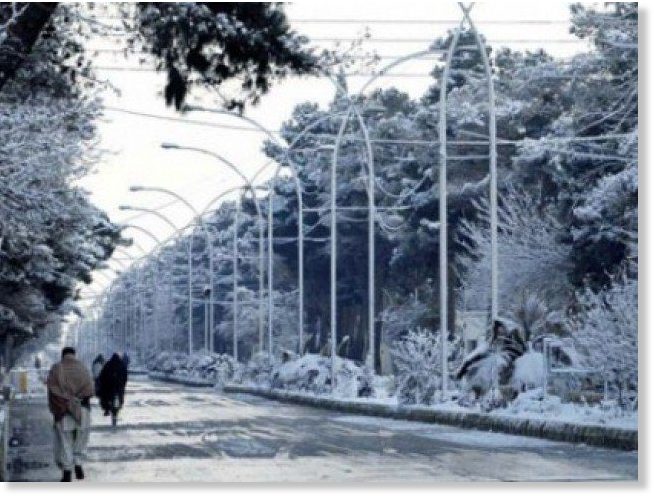
Parts of Balochistan in Pakistan see lowest temperature in decades

PHOTO:FILE
PHOTO:FILE
A spell of extreme cold has returned in districts of Balochistan after decades, with lowest temperatures recorded in Quetta and Kalat, according to the meteorological department.

In Kalat, minimum temperature was recorded at -12°C after 31 years. As per the meteorological department, the temperature in Kalat plummeted this low last on December 13, 1986. Similar, in Quetta, minimum temperature was recorded at -10°C on Tuesday - a reading seen after 10 years there.

Ziarat district of Balochistan too has come under the folds of extreme cold as -11°C was recorded there.

An official of the meteorological department, Dr Azmat Hayat, said the cold spell is likely to persist for the next few days, when mercury will plummet further in the three districts of the province - Kalat, Ziarat and Quetta.

Snowflake Cold

Major storm system to bring heavy snow, strong winds and thunderstorms to eastern US

Heavy snow western US December 2017
Winterlike conditions are expected to wallop the eastern half of the country, from Denver to New York City, as a significant change in the weather pattern takes shape.

A major storm is developing in the middle of the country with heavy snow, strong winds and thunderstorms, according to ABC News meteorologists.

More than a dozen states, from the Rockies to the Northeast, have issued winter weather warnings or watches.

Snowflake

Tasmania covered in snow over the first weekend of summer; up to 15 inches deep

Lyn Rootes captured the heavy snowfall from her shack at Wilburville in central Tasmania.
© Lyn RootesLyn Rootes captured the heavy snowfall from her shack at Wilburville in central Tasmania.
Snow has fallen in Tasmania's Highlands as wild weather has stuck the state.

Owners of the hotel posted images on Facebook today after noticing a power problem during the night.

"Nice surprise- just stuck my nose out to see why the power flickered. SNOW now back to bed for me," the post said.

It was still snowing at 7am.

Police have issued a warning to road users after a landslip in the state's South and a deep low pressure system settles in over the state.

On Sunday morning Tasmania Police warned motorists of adverse weather conditions as more than 30mm of rain fell across many areas in the state in the state's South and East.

Hobart airport had received 36.4mm and Mt Wellington had 52mm by 8am.

Comment: The following is part of a later report from the same newspaper:
TASMANIA: the northern hemisphere has called, and it wants its weather back.

And it would probably be happily returned after snow, flood warnings, gale force winds and plenty of rain lashed the state just 22 days out from Christmas.

Up to 40cm of snow fell in the Tasmanian Highlands yesterday cutting off inhabitants from power and the outside world.

Further afield, more than 2500 homes had been hit by electricity outages by yesterday afternoon.

The worst-hit areas included: the D'Entrecasteaux Channel, south of Hobart; Rokeby and Sandford on the Eastern Shore; and communities around Fern Tree.

Lack of power wasn't a concern to the snowed-in guests at the Great Lakes Hotel in Miena where owner and operator Kaylee Hattinger was keeping them entertained.

THE pool table was in full swing and stomachs fed via a gas stove when the Mercury called.

"We had four days of plus 25C weather this week, then flooding rains and now snow. We love the highlands," Ms Hattinger said.

"It's a good eight inches out there."


Arrow Up

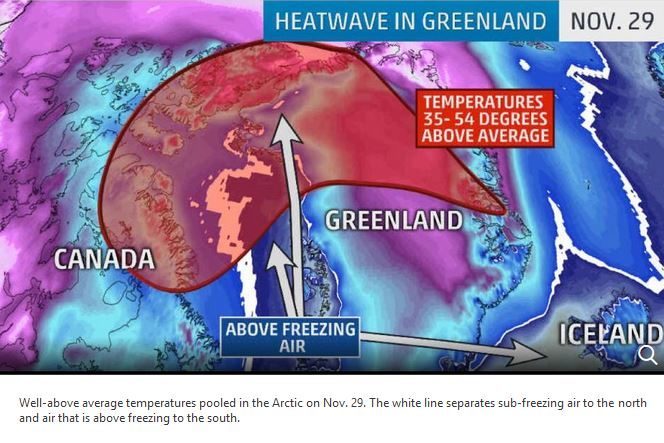
Freak warm spell sends temperatures 50+ degrees above average in Greenland

Greenland temperature anomaly
© The Weather Channel (screen capture)
Temperatures skyrocketed above freezing in parts of northern Greenland on Wednesday as a surge of warm air from the Atlantic poured northward.

A high temperature of 4.7 degrees Celsius, roughly 40 degrees Fahrenheit, was reported Wednesday at Qaanaaq Airport, along the far northwest coast of Greenland at a latitude of about 77.5 degrees north, about 750 miles north of the Arctic Circle.

That equates to temperatures roughly 50 degrees above average in northern Greenland for late November, where temperatures are usually in the minus 20s and minus 30s Fahrenheit.

This tongue of warmer air arrived by means of strong southerly winds sandwiched between a strong low pressure system located over northern Canada and a strong high pressure system located near east-central Canada.

Also contributing to the warmth were ocean temperatures 6-10 degrees above average between southern Greenland and adjacent portions of eastern Canada.

A northward extension of ice-free water in Baffin Bay, not that atypical for late November, extended along Greenland's west coast to the south of Qaanaaq, according to an analysis by the National Snow and Ice Data Center.

As strange as this sounds, last November and again last December, near or above-freezing air surged as far north as the North Pole.