Afghanistan
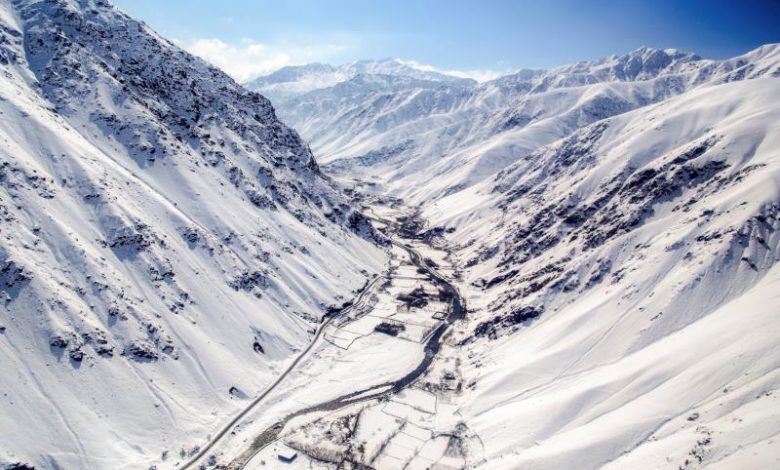
At least 25 Taliban fighters were killed in an avalanche while trying to cross into eastern Afghanistan from neighboring Pakistan through a mountainous route, Afghan authorities said Monday.
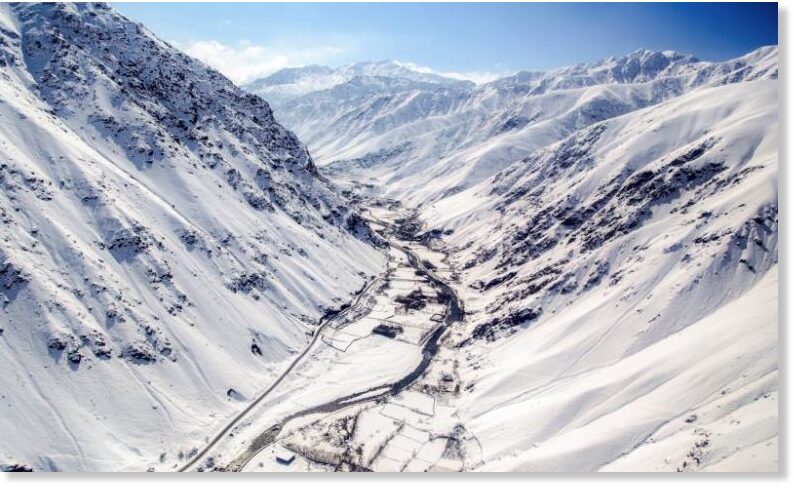
"Twenty five Taliban fighters, some of them Pakistani nationals, died in an avalanche last night in a mountainous area of Zazi-Aryob district last night on their way to Afghanistan," Mohammad Lal Amiri, police spokesperson for the Paktia province - where the incident took place - told EFE.
Amiri said that the accident occurred when the insurgents were trying to cross the border from Pakistan amid snow-covered mountains through a risky route which is not under the control of the Afghan security forces.
Most of the bodies of the deceased had been recovered from the area and transfered back to the other side of the Durand Line, the long border between Afghanistan and Pakistan established through a 19th century agreement between the British and Kabul, which is not recognized by the current Afghan authorities.










Comment: Note that our planet is not only suffering extreme droughts, extreme flooding is also on the rise, and research shows that both of these patterns have occurred before, and it would appear that they're part of a cycle that is linked to ice ages; however, as revealed in the article, it would appear that, this time, it may be even more severe:
- Cyclical climate change: Major drought in the Middle Ages and its parallels with today
- Highest flooding in Europe for 500 years, historical records show correlation with abnormal cold
- Melting icebergs key feature of an ice age, scientists find
- Gulf Stream System at its weakest in over a millennium, last significant decline recorded during the little ice age
- NASA: Recent "Greening Earth" has had strong cooling effect on land
And check out SOTT radio's: