
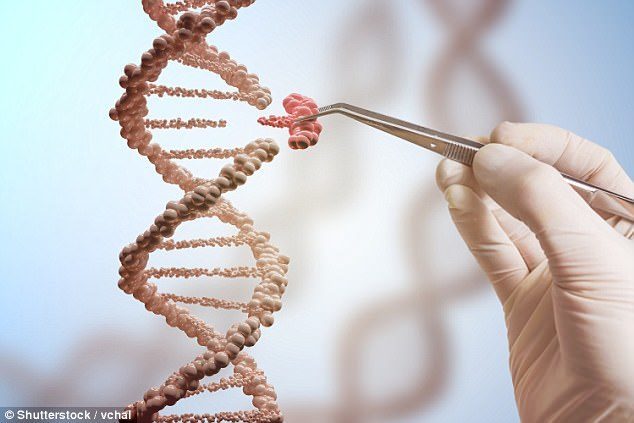
CRISPR is the acronym for clustered regularly interspaced short palindrome repeat, and its function was initially discovered in 1993 by Spanish researcher Francisco Mojica.3 Mojica hypothesized CRISPR is an adaptive immune system, which has since been confirmed. Two decades later, in 2013, the technology known as CRISPR-Cas9 was successfully used to edit the genome in eukaryotic cells for the first time, demonstrating targeted genome cleavage could be achieved in mouse and human cells.
As reported by Nature4 in 2016, "Researchers use CRISPR-Cas9 to make precise changes to genomes that remove or edit a faulty gene. It has worked on nearly every creature on which they have tested it, including human embryos." In the wake of these discoveries, a number of CRISPR-based companies have sprung to life with the hopes of furthering gene editing in everything from food and medicine5 to eventually producing "designer babies" that have had unwanted genetic traits edited out.
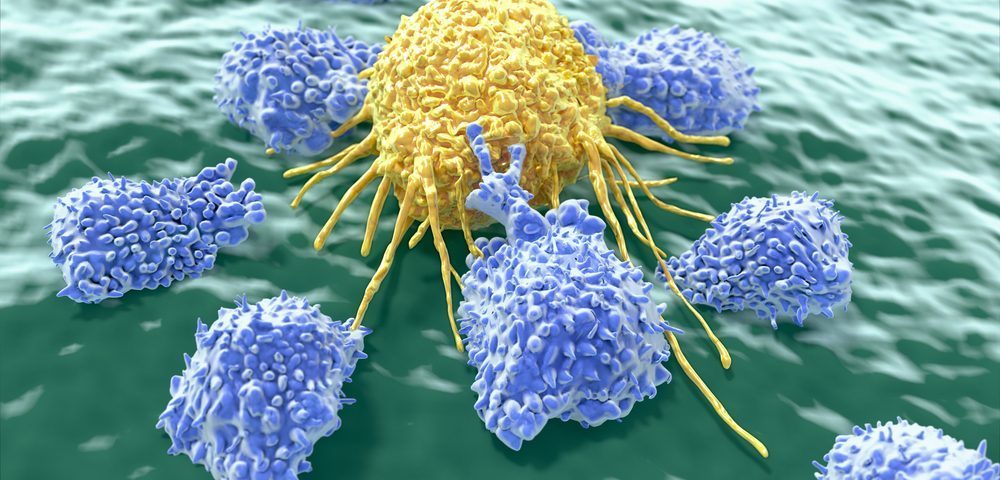
However, while CRISPR-Cas9 gene editing is more precise in that you can target a specific area of the genome, two recent studies call for a rethink, as the process of gene editing can trigger cancer.6,7 As noted by STAT News8 these findings could be "a potential game-changer for the companies developing CRISPR-based therapies."


















Comment: More on the concerns regarding CRISPR gene editing technology: