Health & WellnessS


Butterfly

Weighted blankets might ease insomnia and anxiety, here's what to know before purchasing one

Weighted blanket
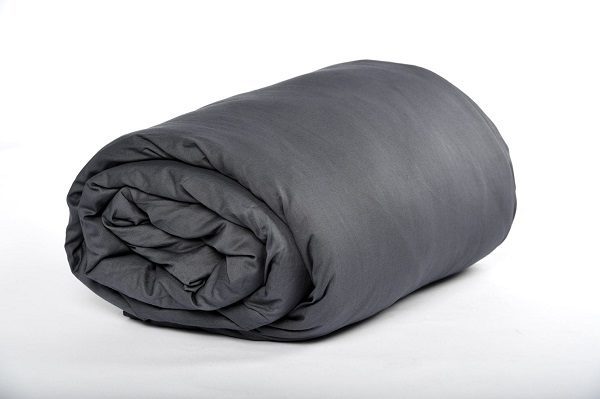
If 2017 was the year of the Instant Pot, 2018 was the year to gift or get a weighted blanket - a duvetlike bed cover weighing from five to 25 pounds. Never heard of one? Neither had I, until I got this assignment. But they are a hot commodity. For example, the Gravity Blanket, which began as a Kickstarter campaign in 2017, reports $16.5 million in sales for 2018.

The theory is that a heavier-than-normal blanket hugs a sleeper, and may prevent tossing and turning. As a result, the sleeper feels more secure, and sleeps more soundly and for longer periods of time.

The concept isn't new. Heavy wraps have been used as a calming mechanism for children with autism, ADHD and other sensory disorders for more than a decade. Parents have swaddled their newborns for centuries. And the idea isn't limited to humans: Pet owners can outfit their dogs and cats with " ThunderShirts" (weighted vests) to keep them from going bonkers during thunderstorms and fireworks.

With a few exceptions, weighted blankets are composed of 6-by-6-inch stitched squares (some brands are 4-by-4-inch) filled with tiny glass or plastic beads. The only real distinguishing feature is the exterior, which comes in an array of colors, patterns and fabrics such as cotton, flannel, microfiber and polyester.

Bad Guys

Opioid makers are looking especially evil this week including members of the founding Sackler family

Opioid makers
© Darren McCollesterA bottle of OxyContin
Two pieces of news this week reveal even more about how pharmaceutical companies have contributed to the opioid epidemic that's killing tens of thousands of Americans a year.

On Monday, a more than 200 page-long memorandum released by Massachusetts Attorney General Maura Healey Monday appeared to show that executives of Purdue Pharma, including members of the founding Sackler family, were intimately involved in a years-long campaign to drive up sales of their blockbuster drug OxyContin, despite warnings about its addictive, destructive potential.

On top of that ugly news, on Friday, a new study provided the first clear evidence that the aggressive marketing tactics of companies like Purdue led to more overdose deaths.

The release of the memo is the latest salvo fired by Massachusetts, one of many states and counties that have filed lawsuits against Purdue for its role in the opioid crisis in recent years. According to Boston NPR affiliate WBUR, Massachusetts was the first to actually name members of the Sackler family as defendants in a lawsuit.

Butterfly

New studies show even adults sleep better after being rocked to sleep

Sleeping in hammock
A pair of new studies just might make you pine for the old days of being cradled by your parents. For both mice and healthy young people, the studies found, a gentle rocking motion before and during sleep resulted in a deeper slumber. And in humans, the rocking even seemed to improve their memory skills afterward.

Most any person who's had a crying child in their arms knows that rocking seems to help calm and eventually sedate them. But some sleep scientists have started to study if rocking can be useful for us long after we've left the crib. In 2011, for instance, researchers from Switzerland published a study showing that people who grabbed an afternoon nap on a gently rocking bed were able to fall asleep faster and spent more time in a deep phase of sleep than when they napped on a regular bed. Some of those same researchers collaborated with others for these latest studies, both published Thursday in Current Biology.

In the human study, they had 18 young volunteers (average age 23) spend three nights at a sleep lab, where their brain waves and sleep patterns were monitored. The first night got them used to sleeping at the lab. And then, in a random order over the next two nights, the volunteers either slept as usual, or slept in a bed that was gently rocked from side to side with the help of a motor.

Overall, compared to the normal night of sleeping, the volunteers didn't sleep any longer. But they did seem to have more deeper sleep, indicated by the longer amount of time they spent in the 3rd phase of non-REM sleep. (Typically, we cycle through three phases of non-REM sleep, then REM sleep, several times a night.) They also experienced fewer moments of abrupt shifts in brain wave patterns, or arousals. These shifts in arousal signal a change from deep to light sleep, or from sleeping to waking up.

Biohazard

Hantavirus outbreak kills 11 people in remote town in Argentina

hanta virus
A man in Epuyen wears a mask and waits for clients at his shop, with a sign that says in Spanish 'We are all family in Epuyén – be supportive, use a mask'
Nearly a dozen people have died in a rat-borne disease outbreak in Argentina.

Hantavirus has infected at least 29 people in the South American country, a majority of them female, and it has killed 11 of them so far, authorities say.

Earlier this month a judge ordered 85 people to stay in their homes to stop the virus, believed to have first broken out at a party, from spreading.

Although rare among people, hantavirus cannot be cured and kills up to 50 per cent of people who catch it.

'Potential human-to-human transmission is currently under investigation,' the World Health Organization said.

Comment: If it is true that the mode of transmission is changing, that could mean an even more devastating outbreak is possible:


Biohazard

Ebola outbreak death toll surges in DR Congo

Ebola
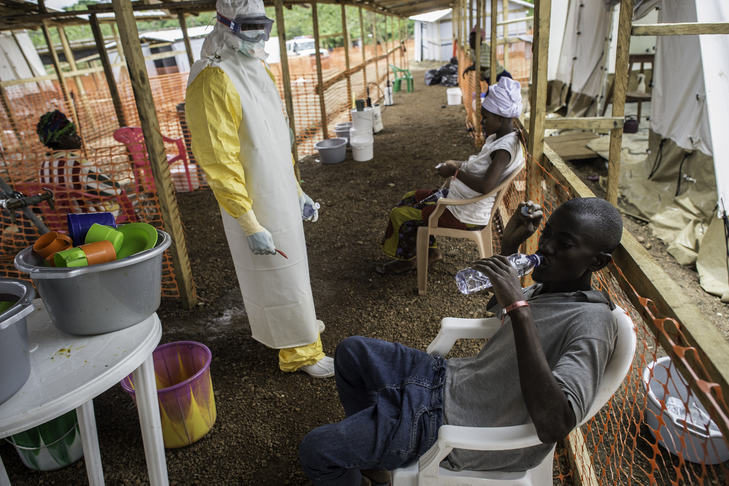
© Médecins Sans Frontières (Sylvain Cherkaoui/Cosmos)A patient is trying to rehydrate himself in an Ebola Treatment Unit in Kailahun, Sierra Leone
Hospital beds at the Ebola transit centre in Beni were stored outside in December, after anti-government protestors ransacked the tents. Hospital beds at the Ebola transit centre in Beni were stored outside in December, after anti-government protestors ransacked the tents. AFP

The number of people killed in an Ebola outbreak in eastern DR Congo has risen to 443, health authorities have announced, as new President Felix Tshisekedi began his first full day in office on Friday.

The rising death toll -- up by more than 40 in the past ten days -- emphasises the challenge of controlling the epidemic in the strife-torn east and is just one of a host of complex issues facing Tshisekedi.

Comment: For more, check out: Ebola "popping up unexpectedly and proving impossible to control"


Syringe

State of emergency declared in US because of measles 'outbreak'

measles-rubella (MR) vaccine
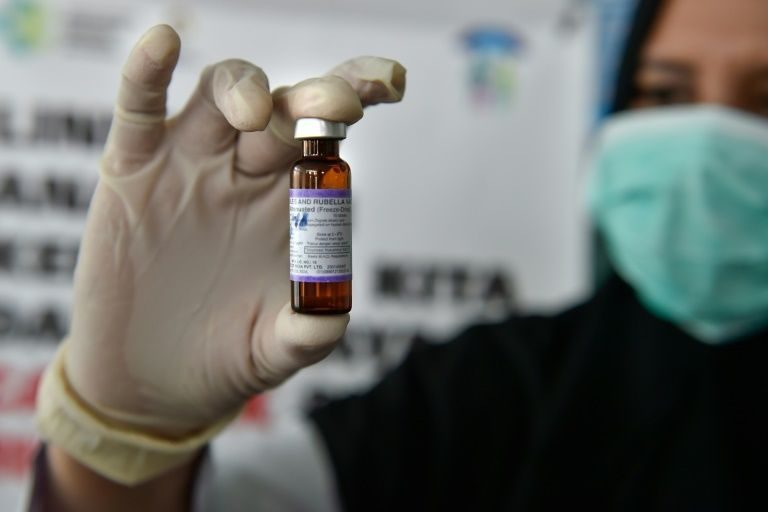
A medical worker holds a measles-rubella (MR) vaccine in Indonesia
A state of emergency was declared on Friday in the western US state of Washington following a measles outbreak that has affected more than two dozen people, the majority of them children.

The disease was declared eliminated in the US in 2000 but has since made a comeback that is tied to imported cases and the rise of the anti-vaccine movement.


Comment: This is very tenuous reasoning because unvaccinated people have lived in the US since before the truth about vaccines became more widely known and the US has never been short of visitors.


"Measles is a highly contagious infectious disease that can be fatal in small children," Washington Governor Jay Inslee said in a statement. "The existence of more than 26 confirmed cases in the state of Washington creates an extreme public health risk that may quickly spread to other counties."

Comment: It's notable that contagions of all kinds seem to be increasing around the world, see: Also check out SOTT radio's: The Health & Wellness Show: Vaccines and Flu Shots


Cow

Agenda pushing: Majority of EAT-Lancet authors (over 80%) favored vegan/vegetarian diets

eat-lancet
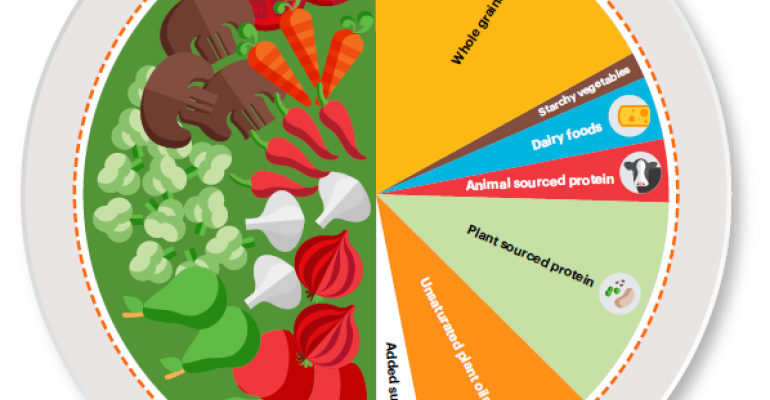
The EAT-Lancet report, published by The Lancet last week, has been presented as the product of 37 scientists from around the world who gathered to evaluate the science on diet and both human health and the health of the planet. These are separate scientific questions that each deserve careful evaluation.

It's important to note that there are significant scientific controversies on both these questions. On diet and health, I can safely say that there is an enormous amount of legitimate scientific dispute surrounding the question of whether a plant-based diet is best for health and also whether minimizing red meat in the diet is healthy or even safe. The best, most rigorous (clinical trial) evidence supports the idea that red meat does not cause any kind of disease. There are also a number of analyses showing that diets low in animal foods are nutritionally deficient, thereby increasing the risk of many diseases and interfering with normal growth and brain development in children.

Comment: If you've seen the possibly hundreds of headlines in the past weeks proclaiming how everyone needs to cut meat from their diets to save themselves and the planet, that's because of the EAT-Lancet study, being promoted by every major news publication as established fact. Despite it's claims, however, it's not science. It's a propaganda piece brought to you by a cohort of biased vegans passing themselves off as "experts".

See also:


Health

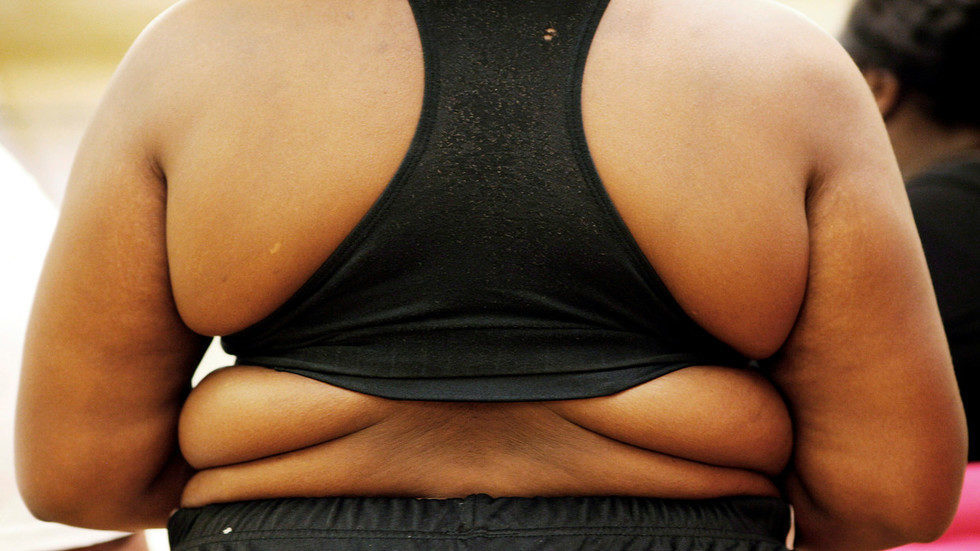
New study confirms the links between genetics and obesity

obesity
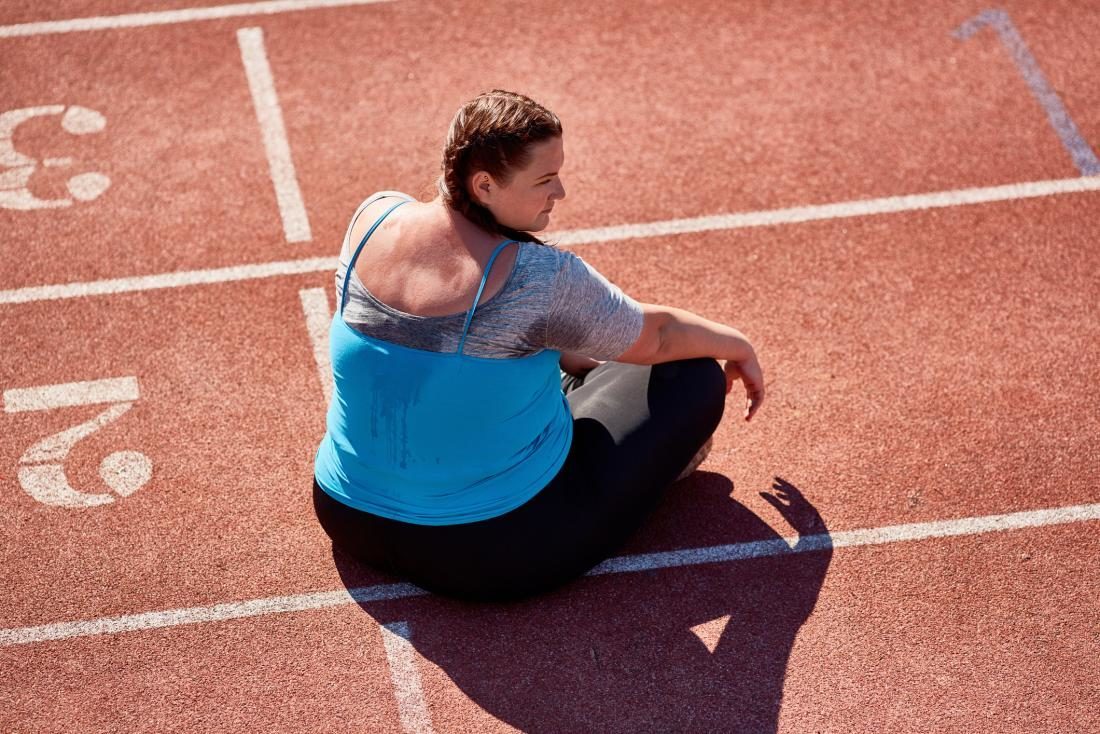
New genetic research helps explain why, despite people's best efforts obesity can be hard to fight.
Everyone who has tried to lose weight will be familiar with the frustration that often accompanies weight loss efforts. Sometimes, it may seem as though people who are overweight are fighting a losing battle, while slim people can eat whatever they want. New research suggests that this may be true - at least from a genetic standpoint.

Why is it that some people do not manage to lose weight despite their best efforts, while others can eat whatever they please and stay thin? The answer, suggests a new study, may be genetic.

Sadaf Farooqi, a professor at the Wellcome Trust-MRC Institute of Metabolic Science, University of Cambridge, United Kingdom, led the new research, which compares the genetic makeup of people who are overweight with that of people who are thin.

As the researchers explain, genetic association studies so far have focused on people who are overweight, as well as zooming in on body mass index (BMI) and obesity.

To the authors' knowledge, this is the first time that a genetic association study has also examined thin and healthy individuals.

Prof. Farooqi and her team analyzed the DNA of 14,040 people in total and published the results of their analysis in the journal PLOS Genetics.

Comment: For more information on the biological factors impacting obesity, see:


Health

'Genetic dice loaded against them': Fat people rolled poor genes, concludes largest-ever study

obese obesity fat
© Reuters / Finbarr O'Reilly
Body weight is "largely influenced" by genes, according to the largest-ever study of its kind. Researchers concluded that slim people won the genetic lottery, while obese people have the deck stacked against them from birth.

The study by Cambridge University aimed to determine why some people manage to stay thin with little effort, while others gain weight easily despite similar lifestyles.

While there are several environmental factors that contribute to the rise in obesity in recent years - such as a high-calorie diet and lack of exercise - the team found there is still a significant variation in weight within a population that shares the same environment.

Comment: It's important to remember that, despite finding a genetic component to obesity (or any other pathology), one isn't doomed to their genetic blueprint. See for instance: Genetics be damned! Kids can overcome genetic susceptibility for obesity. Given the important role of epigenetics, that genes are turned on and off depending on the feedback received from the environment, one's predispositions are not a death sentence. It's important to also realize that if there is a genetic component to obesity, which increasingly the evidence points to this being the case, this mutation was considered beneficial by the body in some way. Rather than damning our genetics, it would be interesting to explore the idea that this is, in some way, advantageous to the survival of the organism.

See also:


Cow Skull

Holy schmeat! Beyond Meat has plans to make plant-based bacon and steak

beyond meats
© SGaia Vegan Meats
Popular vegan meat brand Beyond Meat has plans to make plant-based bacon and steak, CNBC reports.

The brand became a favorite around the globe when it launched its iconic Beyond Burger, a vegan patty made from pea protein that looks, cooks, and tastes like beef - it even "bleeds," thanks to the addition of beet juice.

Now, Beyond Meat has its sights set on other areas of the plant-based meat market. CEO Ethan Brown revealed to CNBC, "We want to make bacon, we want to make steak, we want to make the most intricate and beautiful pieces of meat."

Comment: The Health & Wellness Show: Meet the Meat You'd Never Eat!