

Abu Bakar (12), a student of 7th class, was hit by severe lightning during torment rain.
He breathed his last instantly while other person namely Akbar was also hit by the lightning.
He was moved to hospital for medication by the locals.


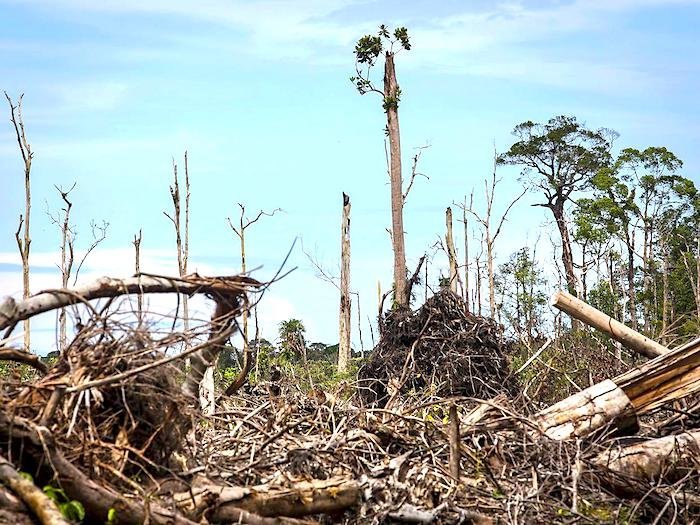
"HSBC's policies prohibit the financing of operations that are illegal, damage high conservation value forest/landscaping or violate the rights of workers and local people. HSBC does not knowingly provide financial services which directly support palm oil companies which do not comply with our policy. We are not aware of any current instances where customers are alleged to be operating outside our policy and where we have not taken, or are not taking, appropriate action."The spokesman declined to comment on the details of loans provided to palm oil producers or confirm whether HSBC would be investigating the claims about it alleged customers.
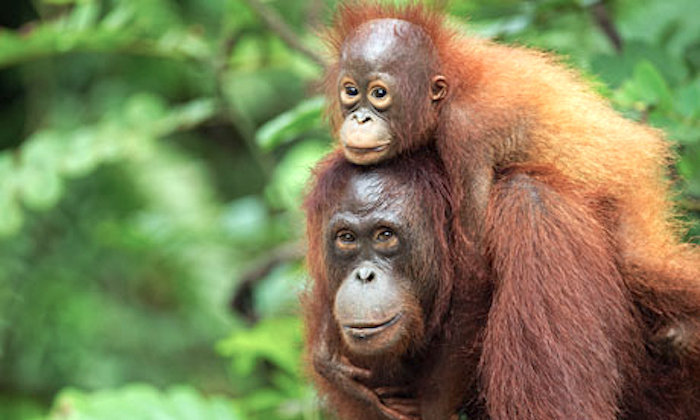
Throughout their existence, tropical rainforests have been affected by natural forces like fire, drought, and storms. These events occur on a random basis and can damage large stretches of rainforest. However, the damage caused by these natural occurrences is generally different from that caused by human activities; namely in that the forest loss is not complete and parts of the ecosystem continue to function. From the surviving remnants of the ecosystem, the forest can usually rapidly regenerate. Within a few years, the forest diversity can return to or exceed the diversity that existed before the disturbance. Some studies have suggested that these periodic occurrences are an important ingredient to a forest's diversity. Without these events, scientists believe, some forests cannot reach their fully dynamic state. Researches have found that forest turnover rates may be as short as 65-135 years.
Natural forest fires occur in rainforests, despite their humid nature. Generally, when forest burns in smaller fires, ground vegetation, shrubbery, saplings, and smaller trees are eradicated, while the larger canopy species are spared. The fire has the effect of clearing the forest floor and weaker trees, thus allowing new growth.




Comment: See also: