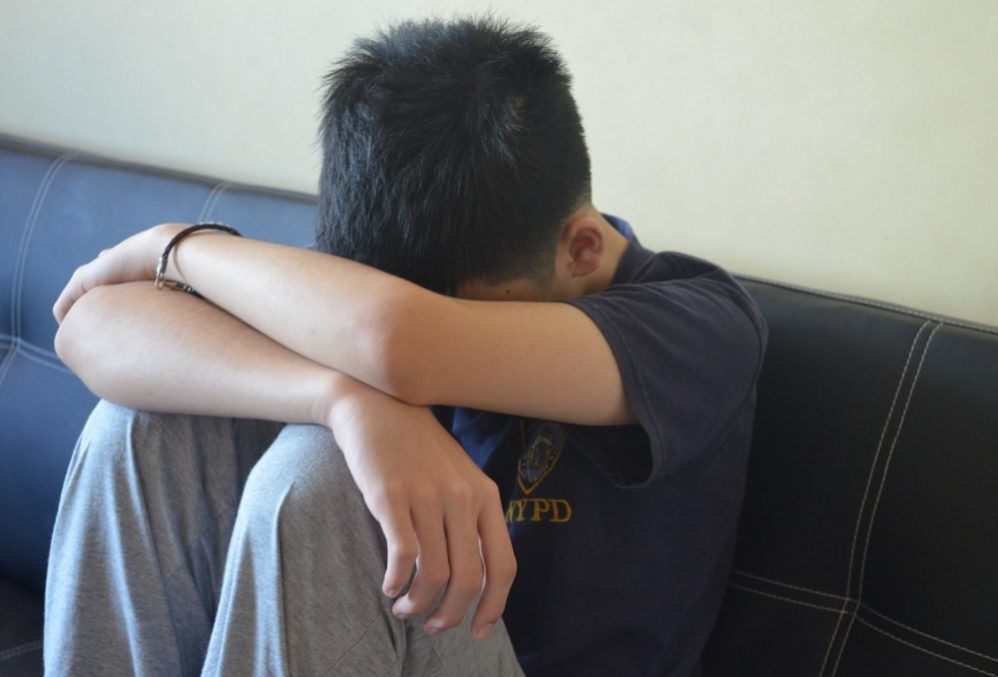
Boys are over-cluttered with mixed messages, mostly negative. They have grown up with a constant narrative, bolstered by statistics, that their sex is falling behind across the board.
In modern society, many of the ways we talk about male identity have either negative connotations or encourage disparaging, eye-rolling satire. If the term is
man, then common terms we hear are "man flu," "manspreading," or "mansplaining."
If the term is
dad, then there is a droll shaking of the head at a "dad bod" or at "dad jokes." If the term is
guy, it is often in relation to stubbornly self-defeating behaviour: 'I got sick, but I did the typical guy thing, and didn't go see the doctor." Or: "I was battling with my mental health, but I did the typical guy thing and didn't ask for help." If the term is
masculinity, it is often used in relation to things males must atone for or confront: "toxic masculinity," or "the crisis in masculinity."
If educators, psychologists, and the media want to dissect emerging troubles in masculine identity, then a good place to start would be to acknowledge that many of the ways we talk about male identity undermine this goal. This is a problem that affects us all, because boys are growing up in a culture that is increasingly questioning what's wrong with them, whilst perpetuating casual cynicism towards them.
There are several reasons why this kind of thing gets overlooked. One argument is that it's just light-hearted ribbing, and shouldn't be taken too seriously; but many of the examples above are not light-hearted, and it all adds up to a big picture of masculinity being an obligingly easy target. It seems that women are in many ways entitled to "punch up" at a fracturing but still prevalent male entitlement, and that therefore putting male-chauvinist antics or clumsily wayward men "in their place" is an amusingly empowering thing to do.


















Comment: It's notable that these child suicides are occurring to Australia's indigenous community, as well as it happening just after Christmas and New Year, a period celebrated by the majority of Australians, and, while there are surely other factors involved, some of those noted in the article above, another important one to consider would be that of "social/behavioural contagion" which seems to play a part in these waves of unusual behaviours:
- Social contagion: Three confused middle school boys undergo sex change therapy together
- Social contagion: Is transgender the new anorexia?
- The best explanation for mass shootings: Social contagion
- Wave of suicide sweeps China's graduate class
- Bridgend, suicide and the internet: the facts
For more on the topic, check out SOTT radio's: The Truth Perspective: The Strange Contagion: How Viral Thoughts and Emotions Secretly Control Us