
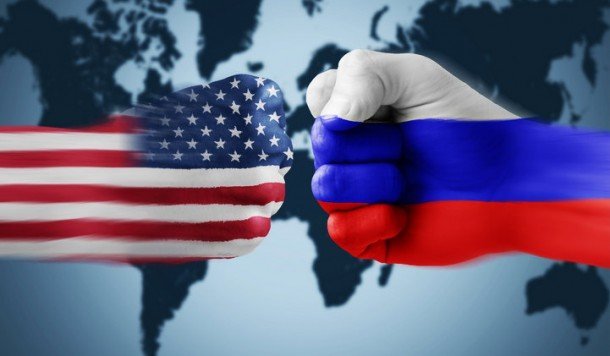
Comment: This is what a realist American foreign policy might look like, taking into account the status quo, and all the historical contingencies that make it so. It may not be perfect - geopolitics never is - but considering the world's present state, the Trump administration would be doing the U.S. and the world a favor by implementing even some of the policy positions Hahn proposes.
American foreign policy, especially its Russia policy, is a runaway train without rails, driven by a troubling confluence of hubristic ideological influences and bureaucratized sectoral interests networked through Washington. These two kinds of influence too often are neither disinterested, nor in the American interest, and deprive U.S. foreign policy of a strategic imperative. The former influence consists of American democratic messianism and revolutionism that push for regime change on a far too broad basis, weakening our foreign policy's realist component while simultaneously discrediting its idealist component. Bureaucractic influences is made up of out-of-control bureaucratic, military, military-industrial, think tank, and ideological interests that manipulate or sincerely foster American messianism and revolutionism. The combination of uncontrolled messianism and sectoral interests and imperatives have resulted in an 'imperial overstretch' that far outstrips America's declining capacity and power in the world. This growing gap between American ambitions and capacity is compounded by China's rise, Russia's resurgence, and the Sino-Russian strategic partnership. This paper focuses on problems in U.S.-Russian relations and their possible solutions.
PART 1: REFRAMING AMERICAN LEADERSHIP AND RECONCEPTUALIZING RUSSIA
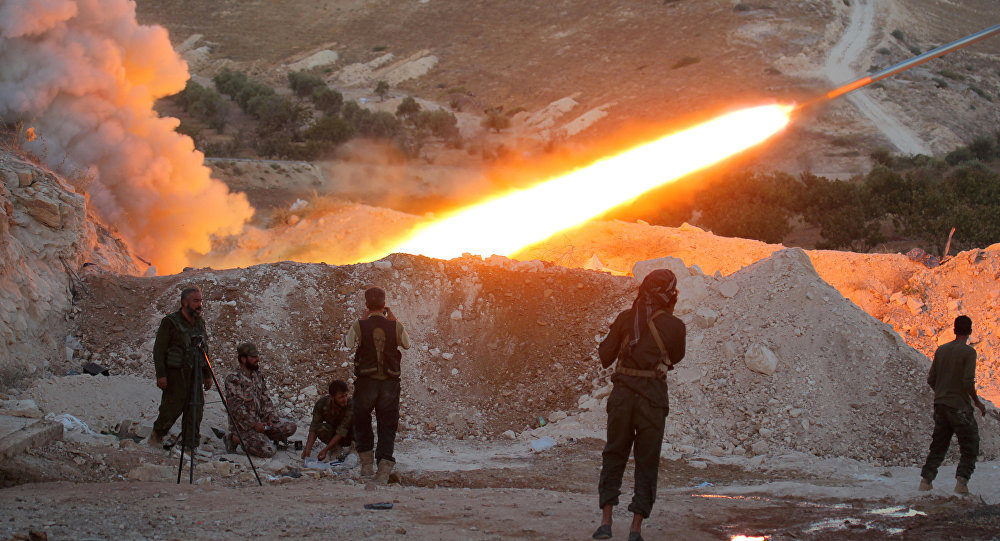
U.S. post-Cold War foreign policy has tended to make competitors into enemies and increasingly make friends, allies and potential ones, like Russia, into unwilling partners and potential defectors to our competitors and enemies, respectively. Messianistic revolutionism destabilizes regimes and sparks unnecessary, unjust wars through regime destabilization and regime change 'color revolutions.' America's last wave of neo-imperialist revolutionism so far has rumbled recklessly through Egypt, Libya, Syria and Ukraine, giving rise to ISIS in the Middle East and globally and neo-fascist elements under the Maidan regime in Kiev. These largely unintended consequences not only undermine the regimes and countries in which they occur but their neighbors' sense of security as well. Often these neighbors include U.S. allies, some of whom are becoming increasingly disenchanted with U.S. policy. Just in the last few years some shifting away from U.S. policy has occurred in Turkey, Saudi Arabia, Hungary, Poland, Bulgaria, and Moldova.














Comment: Trump's cleaning house with a global broom!