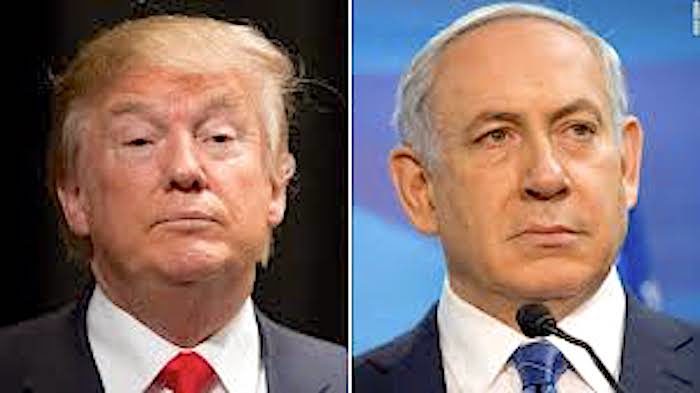
© CNN.com
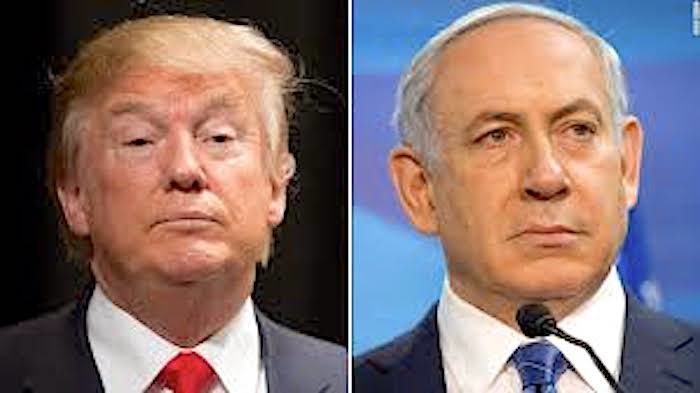
During his 2016 election campaign, Donald Trump signaled his presidency would be a boon for Israel and tough on Palestinians. The U.S. Embassy would move to Jerusalem, he would name an ambassador who backs Israeli settlements on land Palestinians seek for a state and there would be no pressure for peace talks.
But as Trump prepares for his first White House meeting with Prime Minister Benjamin Netanyahu, his administration has not only
toned down its pro-Israel bravado but also taken the first tentative steps toward
a more cautious Middle East diplomacy, including
consultations with Sunni Arab allies and U.S. lawmakers, according to people familiar with the matter.
While any strategy is still far from complete, there is growing consensus in the White House that tackling the Israeli-Palestinian conflict could
require gentle nudging of Israel together with assurances to the Arab world that Trump will be
more even-handed than his campaign rhetoric suggested. "This is a case where campaign promises run head-on into geopolitical reality and they have to be adjusted accordingly," said a U.S. official, speaking on condition of anonymity.
As a result,
relocating the U.S. Embassy from Tel Aviv to Jerusalem - a step world leaders including Jordan's King Abdullah warned against and which would probably inflame the Muslim world -
has been put on hold for now. At the same time, the
White House has adopted a more measured stance on Israeli settlement-building in occupied territory than candidate Trump appeared to advocate.











Comment: Trump, by modifying his stance, is moving in a prudent direction, one that will hopefully afford his administration a wider range of considerations and options. So far, they are small steps urged by his advisors, not his first inclinations...but steps nonetheless.