OF THE
TIMES
"Russia is not increasing its military presence in the Sea of Azov, there are no Russian naval bases there, the forces that are there are used to guard the Crimean Bridge. I will remind you that from the very beginning of statements about this infrastructure facility's construction plans, we have heard direct calls by Ukrainian officials - politicians and security officials, who obey the Kiev regime - to destroy it. These forces are also used to ensure the safety of navigation," Zakharova said at a briefing.Commenting on the UN General Assembly's resolution drafted by Kiev on the militarization of Crimea, Maria Zakharova said that such initiatives were a cover for the failed domestic policy of the Ukrainian authorities and did not contribute to solving the crisis in the country. According to the spokeswoman,
"Kiev's counterproductive anti-Russian initiatives at the UN General Assembly and other structures and bodies of the global organization unfortunately only serve as a cover for the failed domestic policy of the country's leadership and do not contribute to resolving the internal Ukrainian crisis."The remarks come after the UN General Assembly passed the resolution on the Azov Sea calling on Russia to stop restricting navigation in the Black Sea and the Sea of Azov.
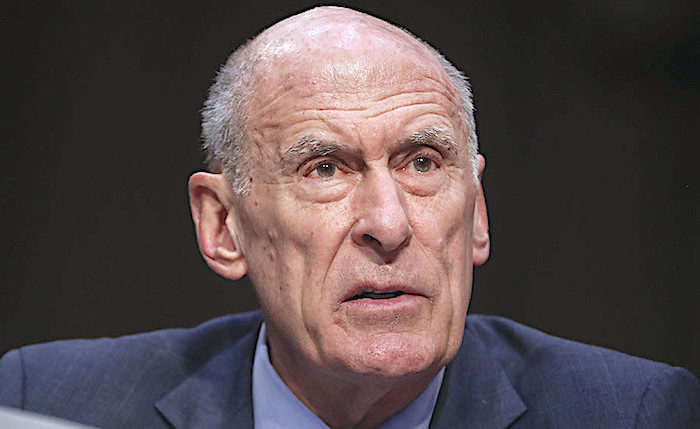
Reports in US media outlets presented Coats's letter as confirmation of Russian election meddling, while Senator Mark Warner (D-Virginia) - one of the chief advocates of the 'Russiagate' conspiracy theory - quickly piped up with calls to increase regulation of social media.

In a bulletin issued December 20, Ofcom stated that a total of seven programmes or segments, including Sputnik, Crosstalk and various items of news coverage were found to be in breach of UK regulator rules. Most of these investigations were sparked by Ofcom itself, without viewer complaints.In the meantime, Russia continues its policy of matching action for action by launching its own investigation into the BBC's activities, including not only its Russian-language broadcasts, but its website:
When initiating the first set of investigations, Ofcom connected them to events in Salisbury, UK, which had no ostensible connection to the news broadcaster. Of a total of 10 investigations launched in spring 2018, 7 resulted in "breach" findings, while 3 broadcasts were found not to be in breach of the code."RT is extremely disappointed by Ofcom's conclusions in what were almost all self-initiated investigations into RT by the regulator."
"We operate under rules outlined by the regulator, and always strive to abide by them. It appears Ofcom has failed to fully take on board what we said in response to its investigations and, in particular, has not paid due regard to the rights of a broadcaster and the audience."
"We are reviewing the findings Ofcom has put forward and will decide shortly the nature of our next steps."
The Russian media regulator will probe the programming of BBC World News, which is available in the country, in response to a decision of its British counterpart, which found RT in breach of its rules in seven cases.More on the "Institute for Statecraft" and their "Integrity Initiative" project:
In addition to the TV broadcast, the Roskomnadzor (RKN) will check the content of BBC websites to see if it breaches the Russian regulations, the watchdog said in a statement on Friday.
Commenting on the development, the Russian Foreign Ministry spokesperson said the probe was "long overdue."
"I sincerely sympathize with the correspondents of BBC, many of whom are real professionals who honestly do their journalistic duty. But the rude interference of the British government with the work of the Russian media (the propaganda targeting RT, attempts to smear journalists etc.) leave us no choice but to respond in equal," Maria Zakharova wrote on her Facebook page. "Russia warned them. Repeatedly."
The BBC responded to the news, saying it was abiding by the laws of every nation, in which it provides its service.
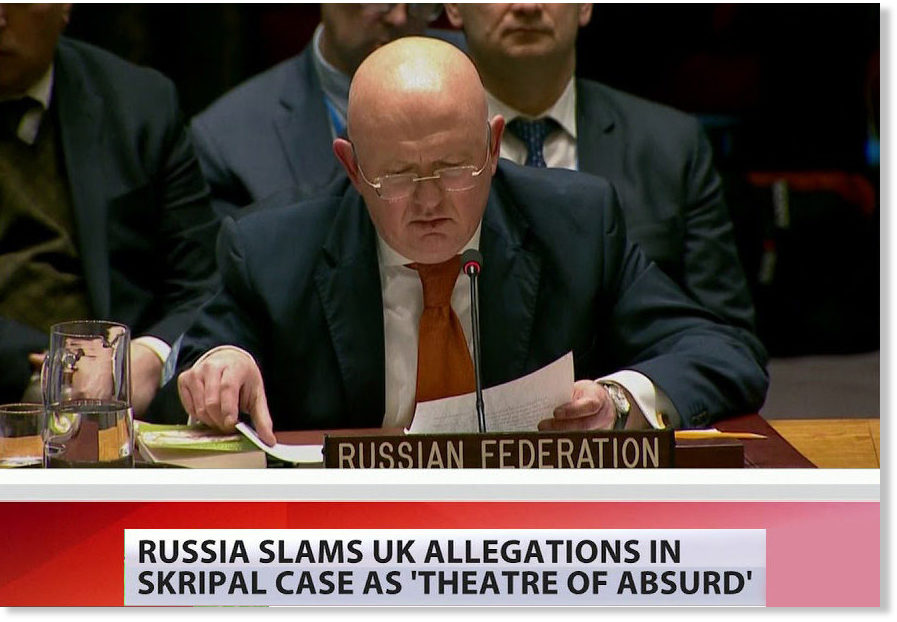
RT's Editor-in-Chief, Margarita Simonyan, said the decision left little doubt that in RT's case Ofcom simply acts as a tool of political persecution on behalf of the British government.The episodes that Ofcom ruled as breaching journalistic rules, were aired between March 17 and April 26. Two of them were about the March poisoning case in Salisbury and were critical of London's handling of the case, which Ofcom ruled to be lacking impartiality."[British Prime Minister] Theresa May said her government wants to oust 'Russian propaganda' after the Skripal case started. Ofcom immediately started its probe. Six months later it declared us guilty."

Turkish Foreign Minister Mevlut Cavusoglu said Friday that a military advance against Kurdish YPG forces in northeastern Syria would be delayed until the US pullout is over.Trump has essentially signalled that the Kurds will get no more US support in their territorial ambitions, thus lightening the threat they pose to Turkey. So despite Erdogan's bluster, there may not be any great need for such an operation now, especially if the Kurds engage in negotiations with Damascus and promise not to antagonize the Turks any further.
"We [chose to] delay our operation to avoid friendly fire after the US announced troop withdrawal from Syria", Cavusoglu said during a visit to Malta, as quoted by the TRT channel.
Turkish President Tayyip Erdogan said he had decided to put off the onslaught after a phone call last Friday with his US counterpart, Donald Trump.

Comment: Demonizing BDS: Message control is the cornerstone of Israeli propaganda.
See also: